Table of contents
- 1. Sourdough ingredients: What do you need to make sourdough?
- 2. What kind of container should I use to make sourdough starter?
- 3. Which flour is best for making sourdough?
- 4. Can you make sourdough with yeast?
- 5. Step-by-step guide: How to make sourdough starter
- 6. Sourdough recipe ideas: What can sourdough be used for?

- Sourdough ingredients: Flour and lukewarm water.
- How to make sourdough: On the first day, you prepare the starter, and for the next four days you feed the sourdough. From the sixth day onwards, you can use it for baking.
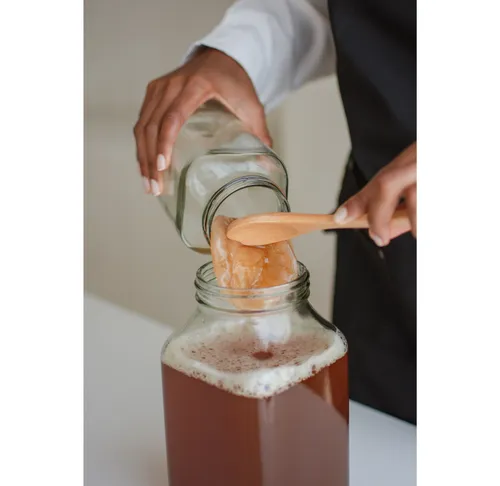
- Feeding sourdough: To feed the sourdough, remove half of the mixture from the container and add 50 grams of flour and 50 millilitres of water.
- Would you like to learn from real professionals how to make sourdough and bake delicious, aromatic sourdough bread? Why not attend a bread-baking course?
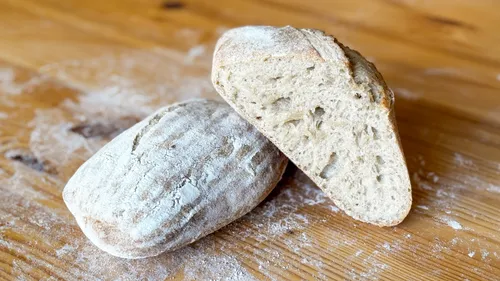
Irresistibly aromatic bread with a crispy crust and a wonderfully light crumb – the secret lies in baking with sourdough. Here you’ll learn how, with a little patience and care, you can start your own sourdough starter and look forward to your first loaf of homemade bread.
Sourdough ingredients: What do you need to make sourdough?
Making sourdough starter isn’t nearly as complicated as it might sound. You only need a few ingredients for sourdough, which you probably already have in your kitchen: flour, water and the wild bacteria and yeasts from the air.
What kind of container should I use to make sourdough starter?
To make sourdough starter, you can simply use a metal or glass bowl.
When you put the sourdough starter into the bowl, there should still be twice as much space left to the top of the bowl, as the dough will increase significantly in volume during fermentation.
Do not cover the bowl containing the sourdough so that the bacteria from the air can settle in the flour-water mixture and multiply.
Also make sure that the container is clean and free of any residue.
Which flour is best for making sourdough?
- Wholemeal flour: Fresh wholemeal flour is best for sourdough, as it contains the most nutrients, providing an ideal breeding ground for the bacteria
Depending on whether you want to bake wheat, spelt or rye bread, you must use wheat, spelt or rye flour to make the sourdough starter.
However, spelt and wheat can also be used for the other grains.
- Rye flour: Rye flour contains many natural yeasts and lactic acid bacteria that aid the fermentation process; making rye sourdough starter yields a base that has a robust, slightly tart flavour and is excellent for hearty breads.
- Spelt flour: It is best to use wholemeal spelt flour, as it contains more nutrients and enzymes that promote fermentation. Spelt flour is a good choice for a mild, nutty flavour.
- Wheat flour: Wheat flour is versatile and easy to work with. Making wheat sourdough is an ideal starting point when exploring sourdough for beginners, as wheat flour binds readily available sugars and enzymes that kick-start fermentation. Wheat sourdough has a mild flavour and is suitable for a wide variety of recipes.

You can also mix different types of flour to vary the flavour and texture of your sourdough. A commonly used ratio, for example, is 50 per cent rye flour and 50 per cent wheat or spelt flour.
When making sourdough, finely ground flour is better for the first few days as it ferments more easily. If you like, you can switch to coarser flour later on.

Can you make sourdough with yeast?
Traditionally, making sourdough without yeast (meaning commercial baker's yeast) is the standard, as the natural yeast from the air and the flour is sufficient to start the sourdough fermentation process. When making sourdough, the aim is precisely to ‘capture’ the wild bacteria and yeasts from the air. These give the sourdough a wonderful aroma later on.
Step-by-step guide: How to make sourdough starter
Here is a basic sourdough recipe to get your starter going perfectly:
Sourdough ingredients:
- 50 g wholemeal flour (wheat flour or spelt flour)
- 50 ml lukewarm water
Step 1: Making the starter
Day 1 – Making the starter
- In a clean glass or metal container, mix 50 grams of flour with 50 millilitres of water.
- Stir the mixture until smooth and no lumps remain.
- Leave the container to stand at room temperature for 24 hours.
Step 2: Feeding the sourdough
Day 2 – First feeding
- After 24 hours, the mixture should start to form bubbles and have risen slightly.
- Remove half of the mixture (approx. 50 g).
- Add another 50 grams of flour and 50 millilitres of lukewarm water, and stir well.
- Leave the container to stand at room temperature for another 24 hours.
Days 3–5 – Feeding the sourdough starter
- Repeat the feeding process daily: remove half of the mixture and add another 50 grams of flour and 50 millilitres of lukewarm water.
- Leave the dough to rest for 24 hours in between

Step 3: Baking with the sourdough starter
From day 6: Your sourdough starter is ready
- Your sourdough starter is now ready for baking.
- Use the starter in your recipes or continue to feed it
Continuing to feed your sourdough starter
Establishing a regular sourdough feeding schedule is essential. To keep your sourdough starter healthy and active, you should feed it regularly, especially if you don’t use it every day. Here are a few tips:
- Store in the fridge: If you don’t bake every day, you can keep your sourdough in the fridge. Feed it once a week by taking it out of the fridge, leaving it at room temperature until it has reached room temperature, and then feeding it.
- Feed the sourdough regularly: Even if the sourdough is kept in the fridge, it should be fed at least once a week.
Practical tips for sourdough
Keep these tips for baking sourdough bread and maintaining your starter in mind:
- Pay attention to water quality: Use filtered or boiled water to avoid contamination.
- Maintain room temperature: Keep a consistent temperature of 20–25 degrees Celsius to encourage fermentation.
- Cleanliness: Make sure all utensils used are clean to prevent unwanted bacteria.

How long does it take to make sourdough starter?
It takes five days to make the sourdough starter. From the sixth day onwards, you can use the sourdough starter or continue to feed it.
Sourdough recipe ideas: What can sourdough be used for?
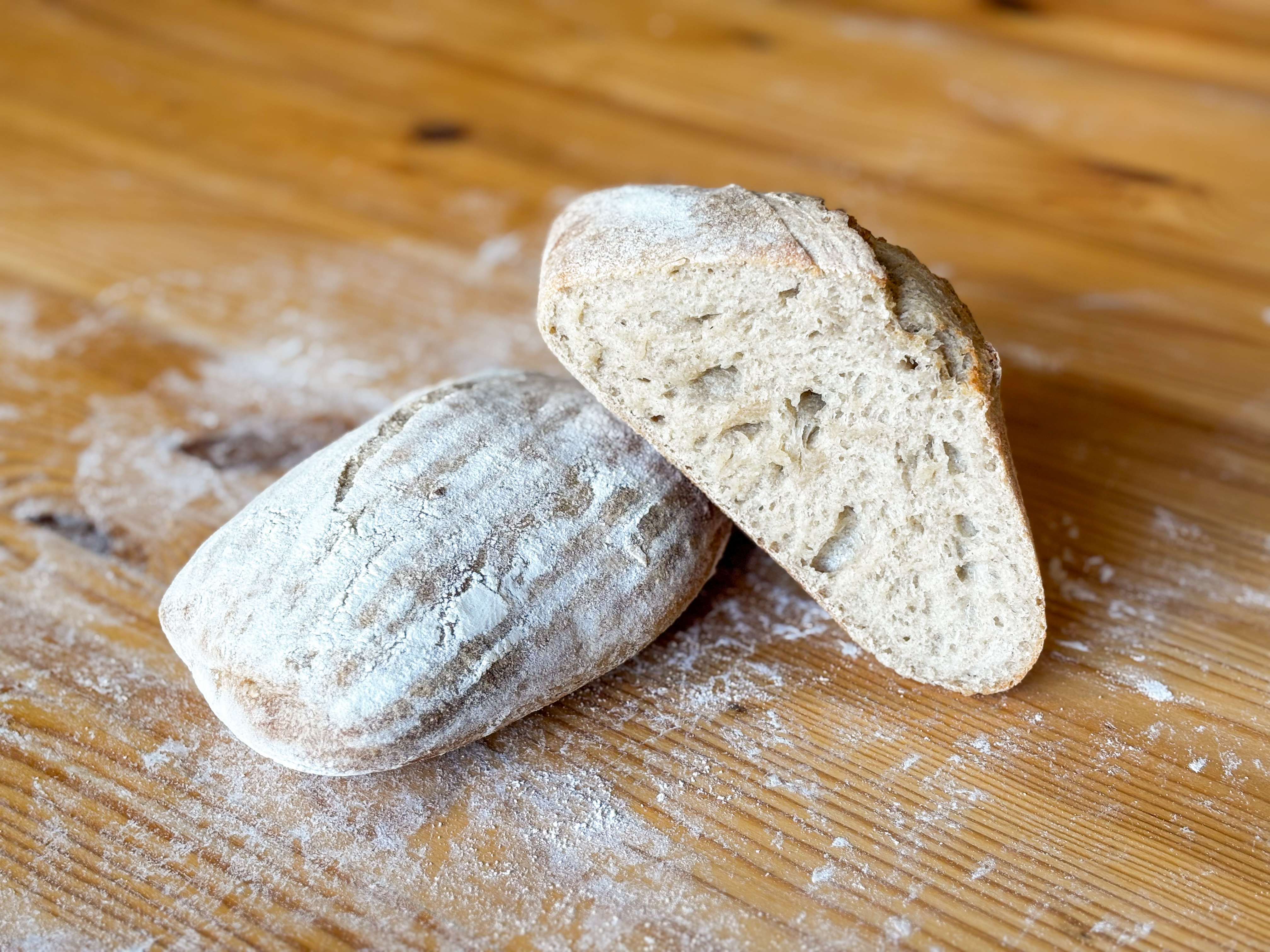
- Sourdough bread
- Sourdough rolls
- Sourdough pizza
- Sourdough pancakes
- For all cakes that you would normally make with yeast (sheet cakes, cinnamon buns, doughnuts, waffles, etc.) – with a little extra time, sourdough is much better than yeast, as the baked goods become more aromatic and, above all, stay moist for longer.
- For tasty crisps or crackers: simply mix the sourdough starter you no longer need with a little flour and water and a few spices, spread thinly onto baking paper, then bake at 200 degrees until crispy