Table of contents
- 1. More inspiration for your art
- 2. Can Anyone Learn to Paint?
- 3. Can You Teach Yourself to Paint?
- 4. What's the Best Way to Learn to Paint?
- 5. What Should Beginners Paint?
- 6. The Basics of Painting - Simply Explained
- 7. What Art Movements Are There in Painting?
- 8. Where Do I Start with Painting?
- 9. Which Painting Techniques Are Good for Beginners?

- Learning to paint: With practice and patience, anyone can learn to paint. The basics include color theory, painting techniques, art styles, and the interplay of colors.
- Subjects & art movements: Start with landscapes, portraits, still lifes, or abstract art and explore Realism, Impressionism, Expressionism, Abstract Art, and Pop Art.
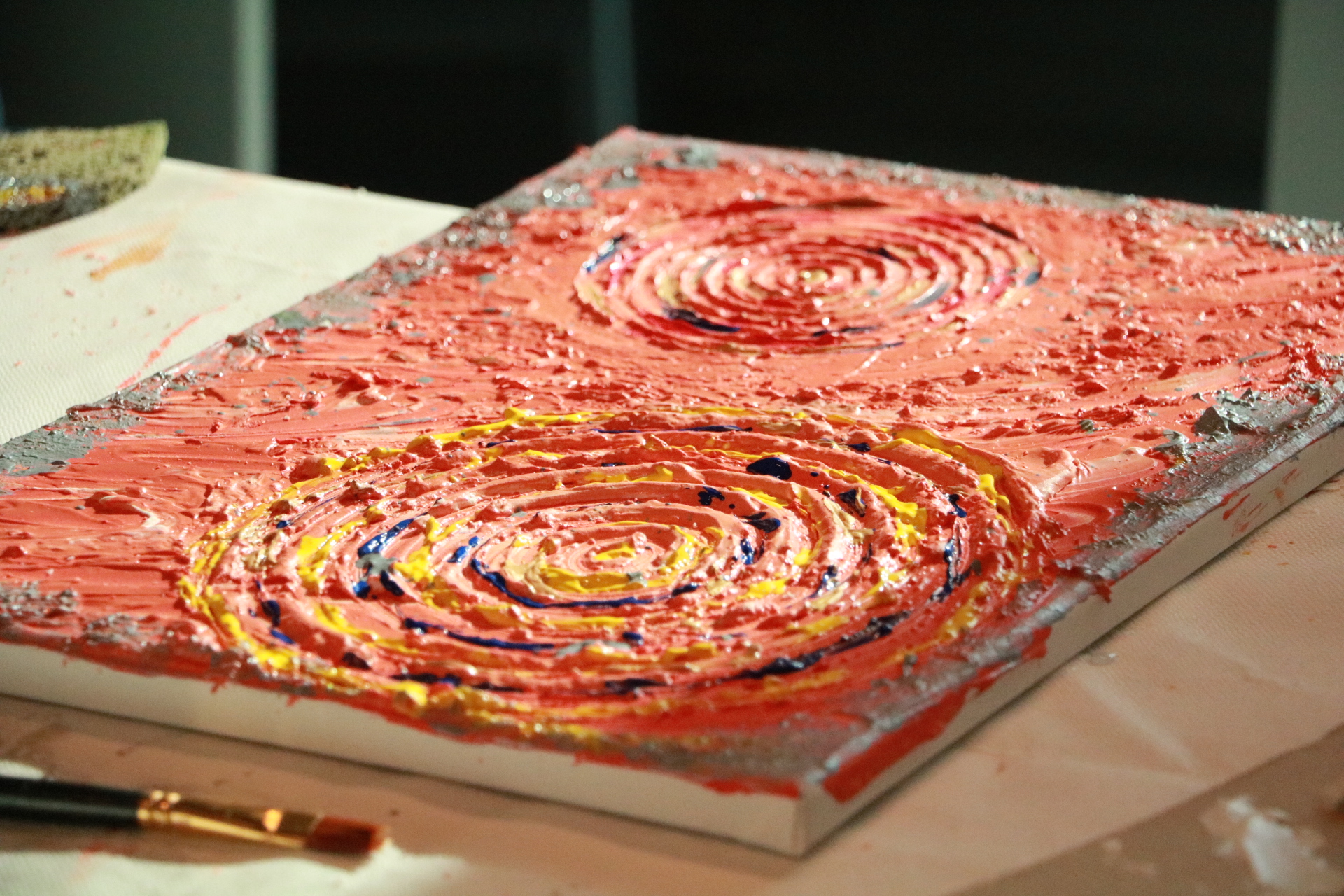
- Painting techniques for beginners: Acrylic painting, watercolor painting, pencil drawing, pastel painting, oil painting, digital painting, mixed media, or the palette knife technique.
- Visit a painting class: Discover 1,676 painting classes, including painting classes in Berlin, or visit Marina Miller at her abstract palette knife art workshop.
Many people believe that painting requires an inborn talent or a special amount of creativity. You often hear phrases like "I can't do that" or "I'm not creative enough," especially from adults who may not have picked up a paintbrush or pencil in years. But is that really true?
More inspiration for your art
Are you looking for even more creative inspiration? Click through our specific guides and find exactly the right technique for your next masterpiece:
- Acrylic painting for beginners
- Watercolor painting for beginners
- Oil painting for beginners
- Drawing for beginners
- Drawing people
- Draw a portrait
- What you should know about action painting
- Acrylic pouring techniques
- Abstract acrylic painting
- The wet on wet technique
Can Anyone Learn to Paint?
Yes, anyone can learn to paint. Painting isn't magic, it's a skill, comparable to riding a bike or reading. Some people may have a natural feel for color or proportion from the start, but that doesn't mean others can't learn it too.
For anyone wondering whether learning to paint as an adult is even still possible: yes, absolutely. Learning to paint as an adult works wonderfully too, as long as you bring some patience, a willingness to experiment, and openness to making mistakes.
What matters most is enjoying the process. If you find joy in painting and practice regularly, you'll make progress quickly. The beautiful thing about painting for beginners is that everyone starts somewhere, and everyone develops their own unique style.

Can You Teach Yourself to Paint?
Yes, you can teach yourself to paint, no art degree required. All you need is time, patience, and the willingness to practice regularly. Especially as a beginner, it's not about getting everything perfect right away, it's about sticking with it and enjoying the process.
The most important part is practical practice. The more you paint, the more you develop a feel for color, shape, and composition. Even short sessions, 15 to 30 minutes a day, make a big difference if you're serious about getting started with painting.
It's especially helpful to get feedback from others to better gauge your progress. And above all: don't let mistakes discourage you. In painting for beginners, every line is a learning moment. It's not about perfection, it's about finding your own path and having real fun along the way.
What's the Best Way to Learn to Paint?
Just start. It's not about creating a perfect artwork right away. Practice makes the difference. Especially for beginners, every attempt at painting counts.
Start Simple and Practice Regularly:
Begin with simple shapes and sketches before tackling more complex subjects. This way, you build confidence step by step and stay motivated. If you want to teach yourself to paint, give yourself the freedom to make mistakes and learn from them.
Try Out Different Materials:
Whether you're just starting to paint or want to specifically improve your technique, testing different painting mediums is essential. Watercolor, acrylic, oil, or chalk pastel: each technique has its own quirks. Try out which colors and tools suit you best. That's what makes painting for beginners exciting and personal.
Get Feedback:
Show your paintings to other people. Feedback from experienced artists or fellow beginners can help you spot mistakes and gain new perspectives. This is a valuable part of the learning process when learning to paint as a beginner.
Patience and Enjoyment:
Don't expect to be perfect right away. Learning to paint is about the journey, not just the result. Have fun, stay curious, and enjoy your creative journey.
What Should Beginners Paint?
Especially at the start, it helps to work with simple subjects to practice the basics of painting for beginners and build confidence working with colors and shapes.
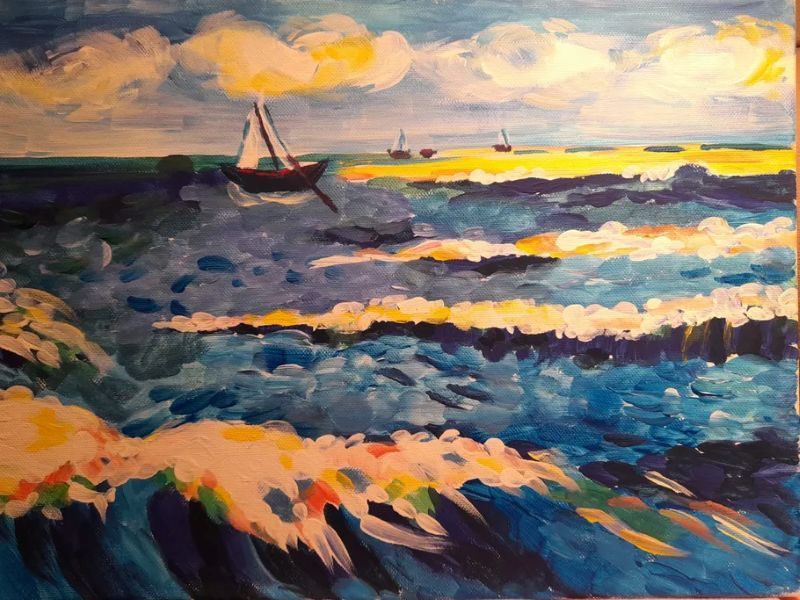
Landscapes:
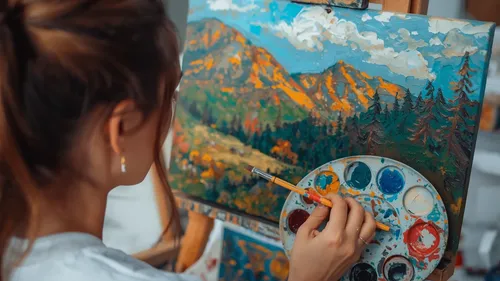
Classic landscape subjects like mountains, trees, sky, or the sea are great for learning perspective and color gradients. If you want to learn to paint, these kinds of scenes help you develop a feel for composition and mood.
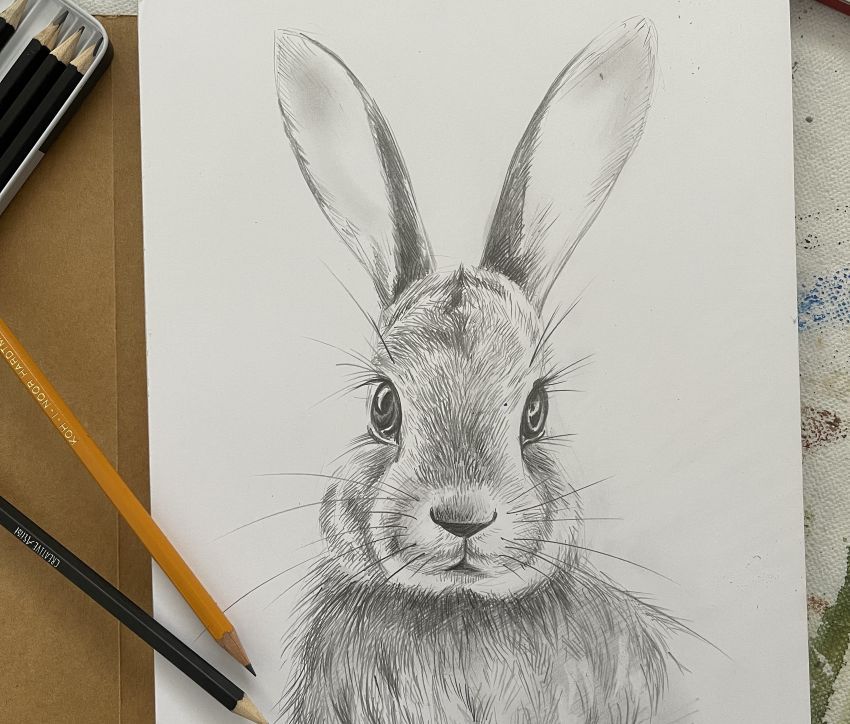
Portraits:
Painting people or animals introduces you to the basics of shape and proportion. Even though it's more challenging, it's worth working your way up to portraits.
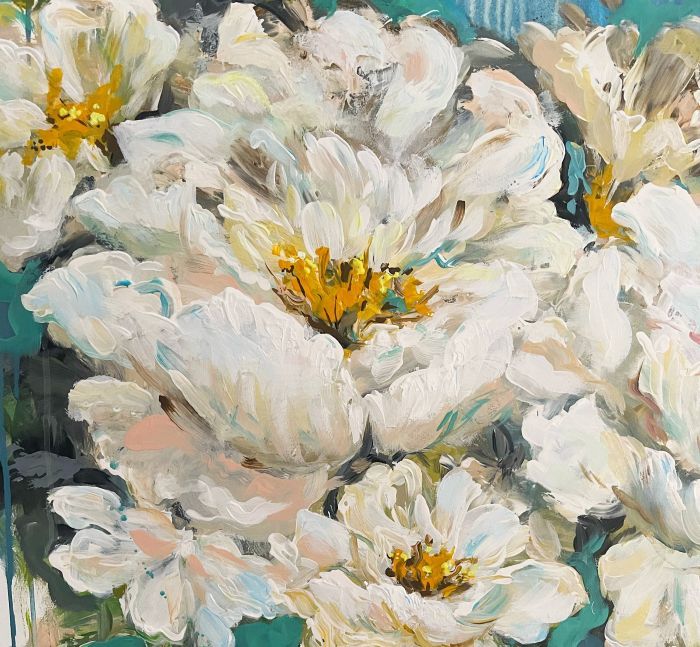
Still Life:
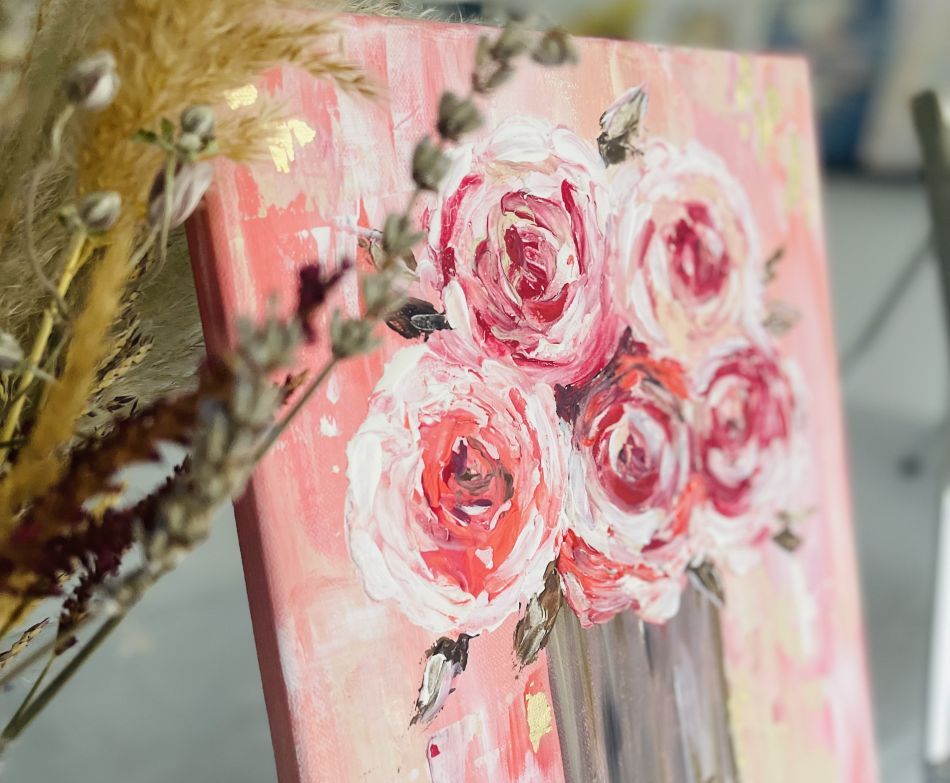
Fruit, flowers, or everyday objects offer a great opportunity to capture light, shadow, and depth. These subjects are ideal if you want to learn to paint in a structured way.
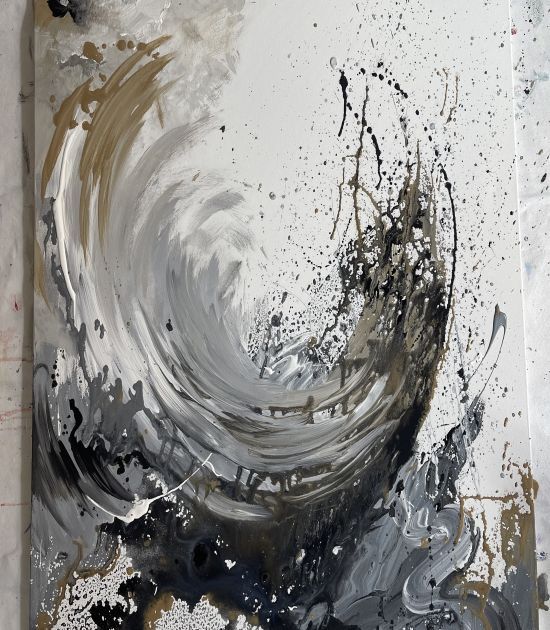
Abstract:
Once you feel more confident, you can experiment freely. Abstract subjects or your own invented compositions give you room to let your imagination run free and develop your own personal style. This is how learning to paint as a beginner becomes a truly personal creative journey.

The Basics of Painting - Simply Explained
If you want to learn to paint, some basic knowledge helps you better understand how colors, techniques, and styles work together. Especially in painting for beginners, or if you're picking it up new as an adult, it makes sense to get familiar with the most important aspects of painting for beginners.
Color Theory:
In color theory, you learn that there are primary colors (red, blue, yellow) and mixed colors. You'll also discover how warm and cool colors create certain feelings, or how complementary colors like red and green intensify each other.
Painting Techniques:
Whether watercolor, acrylic, or oil, each technique brings its own possibilities. If you want to start painting, try out different materials to find out which technique suits you.
Art Styles:
There are many forms of expression in art. If you want to teach yourself to paint, it's worth taking a look at different styles. This gives you a sense of what you can paint and how varied your own artwork can become. From realism to abstraction to naturalism, there are several art styles to explore.
The Interplay of Colors:
Colors make the difference. They determine whether a painting feels lively, calm, or exciting. Anyone who takes painting for beginners seriously will, over time, learn to use color intentionally to create a certain mood. These basics give you confidence when planning and creating your own work, and make you eager to keep experimenting.
What Art Movements Are There in Painting?
If you want to learn to paint, it's worth taking a look at the various art movements. Each style opens up new ways of expressing yourself, ideal for finding your own style while learning to paint. Anyone wondering what they can paint will definitely find inspiration in the diversity of art.
Realism:
This style is excellent for anyone learning to paint who wants to base their work on reality. The goal is to depict subjects as naturally as possible, almost like a photograph.
Impressionism:
Ideal for beginners who want to work with light, color, and mood. Impressionism thrives on quick, loose brushstrokes. Perfect for starting to paint freely and intuitively.
Expressionism:
Here, emotions and inner states take center stage. Anyone learning to paint who enjoys exploring feelings and subjective expression will find expressionism an exciting approach.
Abstract Art:
Abstract painting is wonderful for exploring shapes, colors, and lines independent of real-life subjects. If you want to experiment while learning to paint, this style gives you plenty of freedom, with no pressure to depict anything "correctly."

Pop Art:
Bold colors, clean lines, and subjects drawn from advertising or comics, this makes pop art accessible and fun. This style is ideal for anyone teaching themselves to paint or looking for a relaxed, modern way to get started.
Each art movement comes with its own challenges and painting techniques, and that's exactly what makes learning to paint so exciting and diverse.
Where Do I Start with Painting?
To get started, all you need are brushes, paints (e.g., acrylic), and paper or a canvas. Especially for beginners, it's important not to overwhelm yourself, just dive in.
Getting Started with Painting Step by Step:
These steps will help make painting easy to approach as a beginner:
- Prepare your materials: Choose simple basic colors, a sturdy brush, and paper or canvas. Acrylic is especially well suited for getting started in painting, since it dries quickly and is easy to correct.
- Choose a simple subject: Think about what you can paint. Good starting subjects include still lifes, flowers, or landscapes. These help you practice shapes, colors, and perspective.
- Sketch & block in areas: Lightly sketch your subject, paying attention to basic shapes and lines. Then begin filling in large areas of color, a tried-and-true technique in any painting guide.
- Work out details, light & shadow: Once the basic structure is in place, you can add highlights, shadows, and details. This creates depth and expression, important elements in painting.
- Pause & reflect: Let your painting dry and take another look at it later. Think about what you'd improve. This is how you continue to develop when teaching yourself to paint.
Which Painting Techniques Are Good for Beginners?
If you're just starting to learn to paint, choosing the right technique is key. Some methods are especially beginner-friendly because they're easy to handle, produce quick results, and offer creative freedom. Whether it's acrylic, watercolor, pencil, or even digital painting, there are many exciting ways to start painting and discover your own style. Mixed media or pastels also offer great opportunities for creative experimentation, without needing to be a pro right away.
These Painting Techniques Are Good for Beginners:
Painting Technique | Suitable for Beginners Learning to Paint |
|---|---|
Acrylic Painting | Acrylic paints are ideal for beginners because they dry quickly, mix easily, and can be used right away without preparation. |
Watercolor Painting | Watercolors work well for beginners since they allow soft, flowing transitions and are perfect for experimenting with water, color, and shape. |
Pencil Drawing | Pencil drawing is ideal for beginners since it requires little material and helps you practice shapes, proportions, and shading. |
Pastel Painting | Pastels are great for beginners since they're intuitive to apply, vibrant in color, and easy to blend. |
Oil Painting | Oil painting offers rich colors and fine detail, but is somewhat more demanding for beginners due to long drying times and specialized techniques, still worthwhile for the long-term learner. |
Digital Painting | Digital painting is ideal for beginners who want to be creative without material mess. With a graphics tablet and software, you get quick results that are easy to correct. |
Collage or Mixed Media | Mixed media is ideal for beginners since it offers creative freedom and makes it easier to get into painting. Combining different materials and techniques creates unique works. |
Palette Knife Technique | The palette knife technique is great for beginners who want to experiment with structure and texture. |