- Watercolor painting is perfect for beginners, letting you experiment with delicate colors and fascinating gradients.
- Differences between watercolors and acrylics: watercolors are transparent and fluid, while acrylics are opaque and pasty.
- Watercolor paintings make excellent decor and gifts.
- Choosing the right paper matters: beginners should go for matte (cold pressed) paper, while rough paper suits more advanced painters.
Interested in art but need some inspiration to get started the right way? Then watercolor painting for beginners might be exactly right for you! With delicate watercolor paints, you can create wonderful watercolor pieces that leave a lasting impression. Our painting classes help you get a little closer to your creative side and show you what to keep in mind with watercolors. To give you a closer look at the art of watercolor, we've put together the essentials so you too can soon bring beautiful watercolor motifs to life. Discover {nrEvents} painting classes in Germany and Austria.
What makes watercolor special?
 Photo: © Susanne Riehl
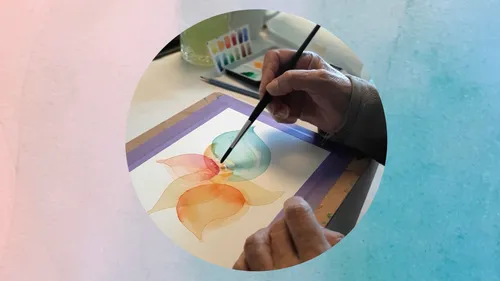
The special magic of watercolor painting lies in the delicacy and lightness of the paint. Using plenty of water spreads the pigment, creating wonderful color gradients. Watercolor painting is therefore ideal for beginners.
The versatility of watercolor also sets it clearly apart from acrylic paint. Watercolors are transparent and fluid, while acrylics are opaque and pasty. Watercolor painting lets you use the paint's transparency to achieve fascinating effects.
Difference between watercolor and acrylic paints
Watercolor paints | Acrylic paints |
Transparent | Opaque |
Fluid texture | Pasty consistency |
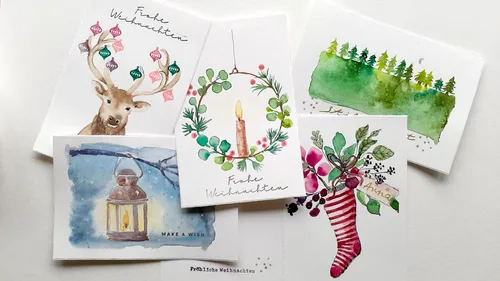
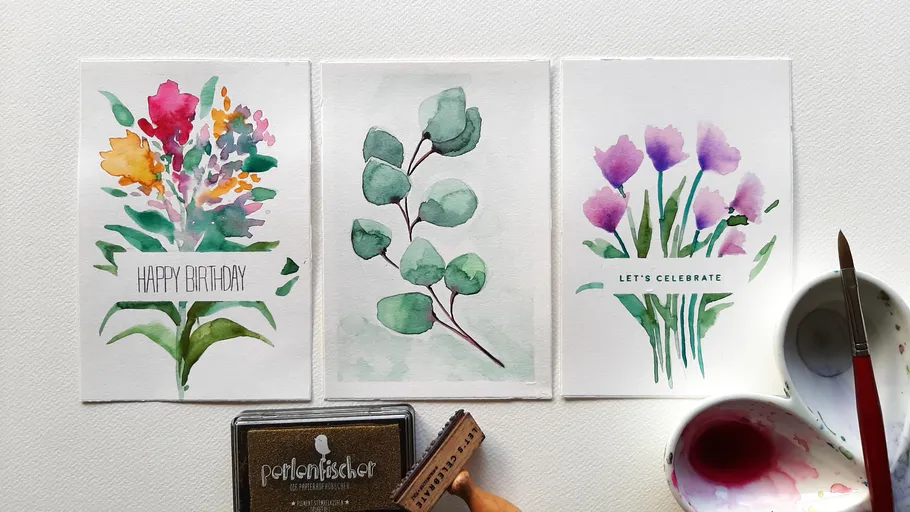
What watercolor motifs are there?
- Watercolor mandalas
- Watercolor flowers and planets
- Watercolor plants and trees
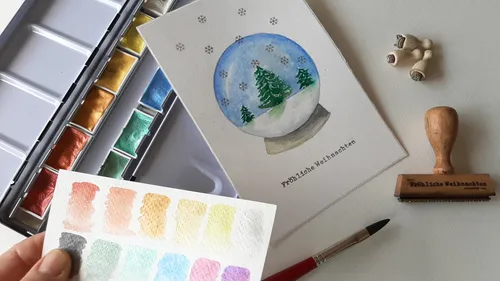
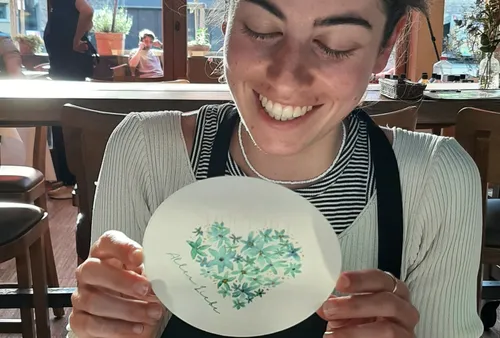
...and much more. With watercolor painting, there are no limits to your ideas. You can paint whatever you want to create with watercolors. A watercolor class also makes a wonderful gift for someone you love. That way, you can spend creative time together with your favorite person - our watercolor classes can also be given as a gift card. Watercolor paintings are also especially great as home decor.
What paper should you use for watercolor painting?
 Photo: © Susanne Riehl
Choosing the right paper matters in watercolor painting. For watercolor beginners, we recommend matte (cold pressed) paper, since it has a slightly rough surface that suits beginners well. Rough paper, on the other hand, is more suited to advanced painters, since it's especially textured and applying paint is a bit trickier than on matte paper.
What techniques are there in watercolor painting?
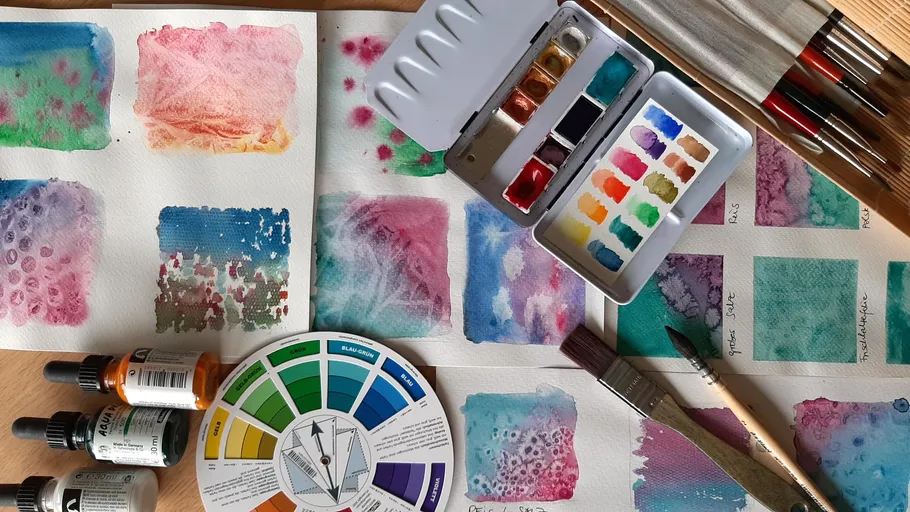
For proper watercolor painting, you can either use the wet-on-dry technique, applying paint to dry paper, or the wet-on-wet technique, painting on damp paper. Keep these techniques in mind to achieve impressive results! Experimenting is, of course, the main thing when it comes to watercolor painting.
The glazing technique in watercolor painting
Here you use the transparency of the paints to layer multiple color washes on top of each other, achieving three-dimensionality in your watercolor motifs and creating new color effects.
The wet-on-wet technique in watercolor painting
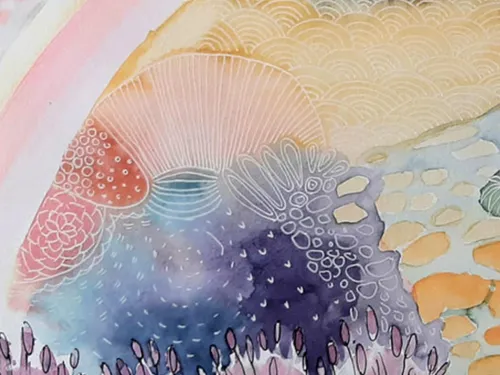
Here you work on the water film described above. That means you don't wait for the first layer of paint to dry - instead, you achieve new color effects and gradients directly within the wet paint. The ability to capture moods and bring drama into your watercolor piece is unmatched here! You can also achieve very light, airy effects without using white, since white mutes the tones and reduces their vibrancy.
Start your watercolor journey now! With watercolor painting, you can not only create beautiful watercolor pieces, but also give yourself some creative downtime. Painting is relaxing and lets you escape everyday life for a little while. We can only recommend just trying it out. And who knows: you might soon have your first watercolor artworks hanging on your wall.