Table of contents
- 1. What is abstract painting?
- 2. What do I need for abstract acrylic painting?
- 3. How do I start an abstract painting?
- 4. What techniques and styles exist for abstract acrylic painting?
- 5. How do I add depth to an abstract painting?
- 6. Can anyone paint abstract art?
- 7. How to paint abstract art with acrylics step by step

Yvonne Fabritz
Partner and writer
Abstract Acrylic Painting – Key Points
- Abstract painting does not depict realistic objects and can be interpreted differently by every viewer.
- Materials for abstract art: brushes, paints, a painting surface, palette knives, and everyday objects like sponges or old toothbrushes.
- Abstract painting techniques: splatter technique, palette knife technique, wiping technique, collage, drip technique, and more.
- There are several methods for adding depth to an abstract painting.
In abstract acrylic painting, there are no rules, creativity runs free. Abstract art is built on color, shape, line, texture, and contrast. In this guide, you'll discover how to paint your own abstract artwork, which techniques to try, and what materials you'll need.
What is abstract painting?
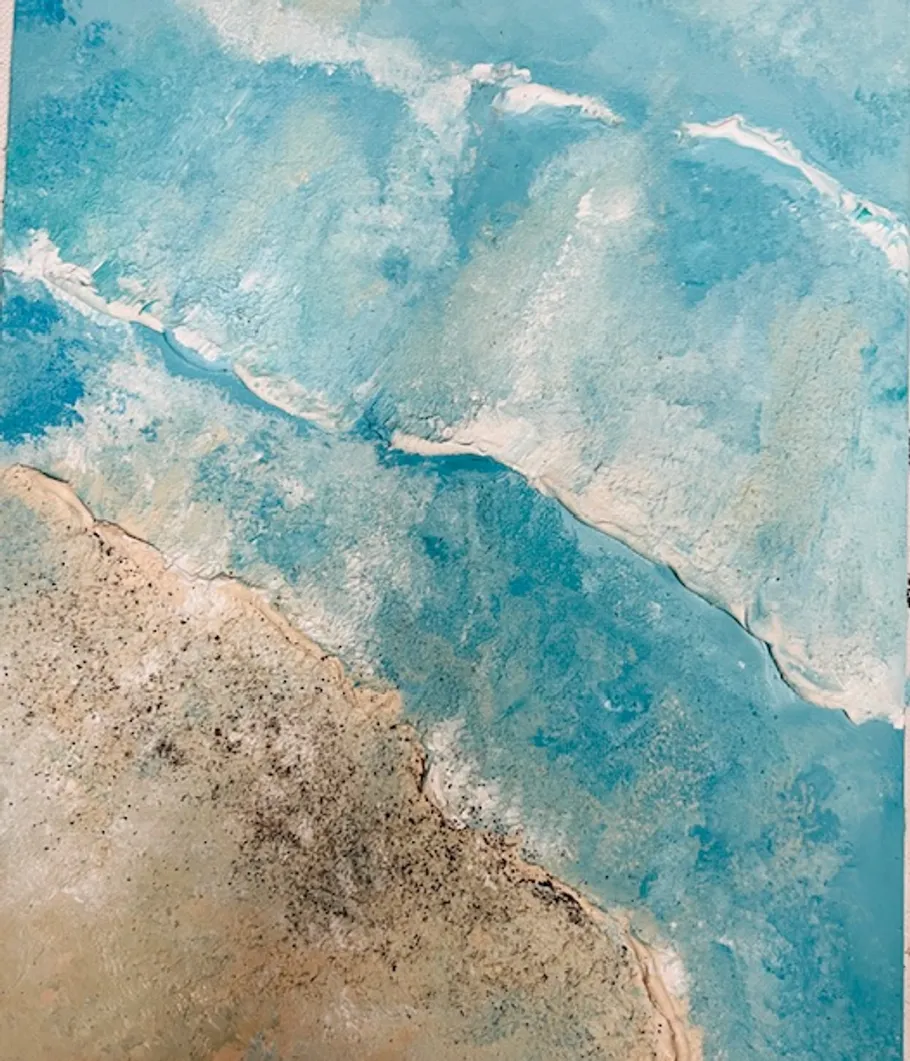
Abstract painting does not depict recognizable or realistic subjects, which sets it apart from traditional art forms. It is based on color, shape, line, texture, and contrast. Because each viewer interprets the individual elements and the work as a whole in their own way, abstract artworks carry a different meaning for everyone.

What do I need for abstract acrylic painting?
For abstract acrylic art, you can use all kinds of things you already have at home. Repurpose everyday objects as tools or materials and ask yourself: "How could I use this?" Experiment with worn-out brushes, sponges, cotton swabs, or an empty toilet paper roll. At minimum, all you really need is a painting surface (such as paper or canvas), a brush, and some paint.
Materials for abstract art some Inspiration:
- A variety of brushes
- Paints: acrylic paints, gouache, acrylic ink, or watercolors
- Household objects — e.g. brushes, sponges, cotton swabs, toilet paper rolls
- Painting surfaces: canvas, cardboard, paper
- A palette knife, if desired
- A glass or jar of water
As a general rule in abstract painting: everything can be used, and nothing is forbidden.
How do I start an abstract painting?
Abstract painting gives you the creative freedom to experiment without set rules. Here are a few simple steps to get started:
Step 1: Inspiration and concept for your abstract artwork:
Think about which emotions or ideas you want to express through your painting. These can serve as your starting point. Feel free to draw inspiration from nature or from other artists.
Step 2: Color selection for your abstract painting:
Choose colors that match your intended mood or theme. You can decide whether to stay within one color family for example, different shades of green or go straight for contrasting colors, such as green and red.
Step 3: Painting abstract art building the foundation:
If you're a beginner learning how to paint abstract art, start by working on your background. You can apply a simple base layer of color, or already experiment with varying paint consistencies and textures.
Step 4: Experiment With Abstract Painting Techniques:
Try out different techniques such as the splatter technique, the drip technique, or the use of tools like sponges or palette knives.
What techniques and styles exist for abstract acrylic painting?
There are many techniques and styles you can use for abstract acrylic art to create different effects and textures.
Abstract acrylic painting techniques and styles:
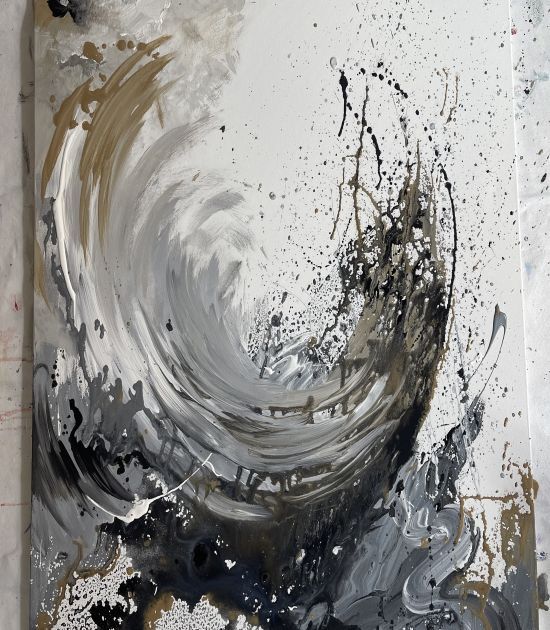
- Splatter Technique: There are different approaches to this abstract painting technique generally, (usually diluted) paint is flicked or splattered onto the canvas to create small specks of color.
- Palette Knife Technique: Paint is applied to the surface with palette knife to build texture and depth in your abstract artwork.
- Wiping Technique: Use a brush to blend colors into soft effects and smooth transitions by smearing and wiping the paint.
- Collage: Incorporate all kinds of materials into your abstract artwork such as magazine clippings, fabric, paper, or feathers.
- Drip Technique: Diluted paint is dripped onto the canvas to create interesting effects. Unlike the splatter technique, the drip technique gives you more control over the result.
- Shapes and Patterns: To create a structured abstract acryli painting, you can paint or generate shapes such as circles, lines, or other geometric patterns.
- Layering: Multiple layers of color are applied each allowed to dry before the next to create depth and visual interest. The effect is especially striking when upper layers are partially removed to reveal those underneath.
- Sgraffito: This particularly cool abstract painting technique involves scratching patterns into wet paint after application, exposing the layer beneath.
All abstract acrylic painting techniques can be combined and are suitable for beginners. This allows you to create new effects every time and produce truly unique works of art.

How do I add depth to an abstract painting?
Here are some tips for creating depth in your abstract acrylic artwork:
1. Layering Colors: Overlapping color layers create the impression of spatial depth in your painting.
- Vary Scale: Use different sizes for shapes and lines — smaller elements appear further back, larger ones come forward.
- Use Contrast: Place colors with strong contrast next to each other.
- Overlapping Shapes: Nest and overlap shapes so that certain elements appear to sit in front of others.
- Work With Textures: Use different textures in different areas of the painting — raised surfaces and indentations add a tactile sense of depth.
- Create a Focal Point: Draw the viewer's eye to a specific area using bold colors, and let other areas recede into the background.
Can anyone paint abstract art?
Anyone can paint abstract art — because there is no right or wrong! Abstract painting allows everyone to express themselves creatively in whatever way feels right. When you paint an abstract piece intuitively, you bring to the canvas what flows naturally from your own creativity. That's exactly what makes abstract painting so much fun!
 Photo: © Kristina Reifschneider
Save 5 euros on a painting classSubscribe to our newsletter and save 5 dollars on a painting class near you.


How to paint abstract art with acrylics step by step
Want to create an abstract painting as a beginner? Just follow these 10 steps and paint your very own abstract artwork.
Step 1: Prepare your materials
Set up your painting surface (canvas or thick paper), various acrylic paints, brushes, a jar of water, a mixing palette, and any other items you have on hand.
Step 2: Paint the background
Choose one or two colors for your background and apply them to the canvas.
Step 3: Add shapes to your abstract painting
Select one or two additional colors and paint abstract shapes over them background.
Step 4: Build up layers
Paint further layers over your shapes, experimenting with different techniques and tools as you go.
Step 5: Create a focal point
Step back and look at your painting. Decide where you want to place your focal point. To draw attention to that area, develop it further through texture, color, or an outline, for example.
Step 6: Add details to your abstract painting
Give your painting more character with details. Try the splatter or drip technique, highlight lines with an accent color, or add whatever comes to mind.
Step 7: Check the overall harmony
View your painting from a distance, Yvonne's tip: "Stand at least two meters back!" Ask yourself whether anything still needs to change.
Step 8: Let your abstract artwork dry
Allow your painting to dry and decide whether you want to keep working on it or consider it finished.
Step 9: Add your signature
Sign your painting with your name and the date you completed it.
Step 10: Apply a varnish
If you'd like, protect your painting with a coat of varnish or sealant spray.


Abstract Acrylic Painting – FAQ
Discover classes of Yvonne Fabritz
You may also be interested in: