- Human body proportions: Height is roughly seven to eight head-lengths, shoulder width is about two head-widths, hands reach the middle of the thigh, and feet are roughly the length of the forearm (elbow to wrist).
- How to draw a person: Break down each body section and work in small steps, head, upper body, legs, and feet.
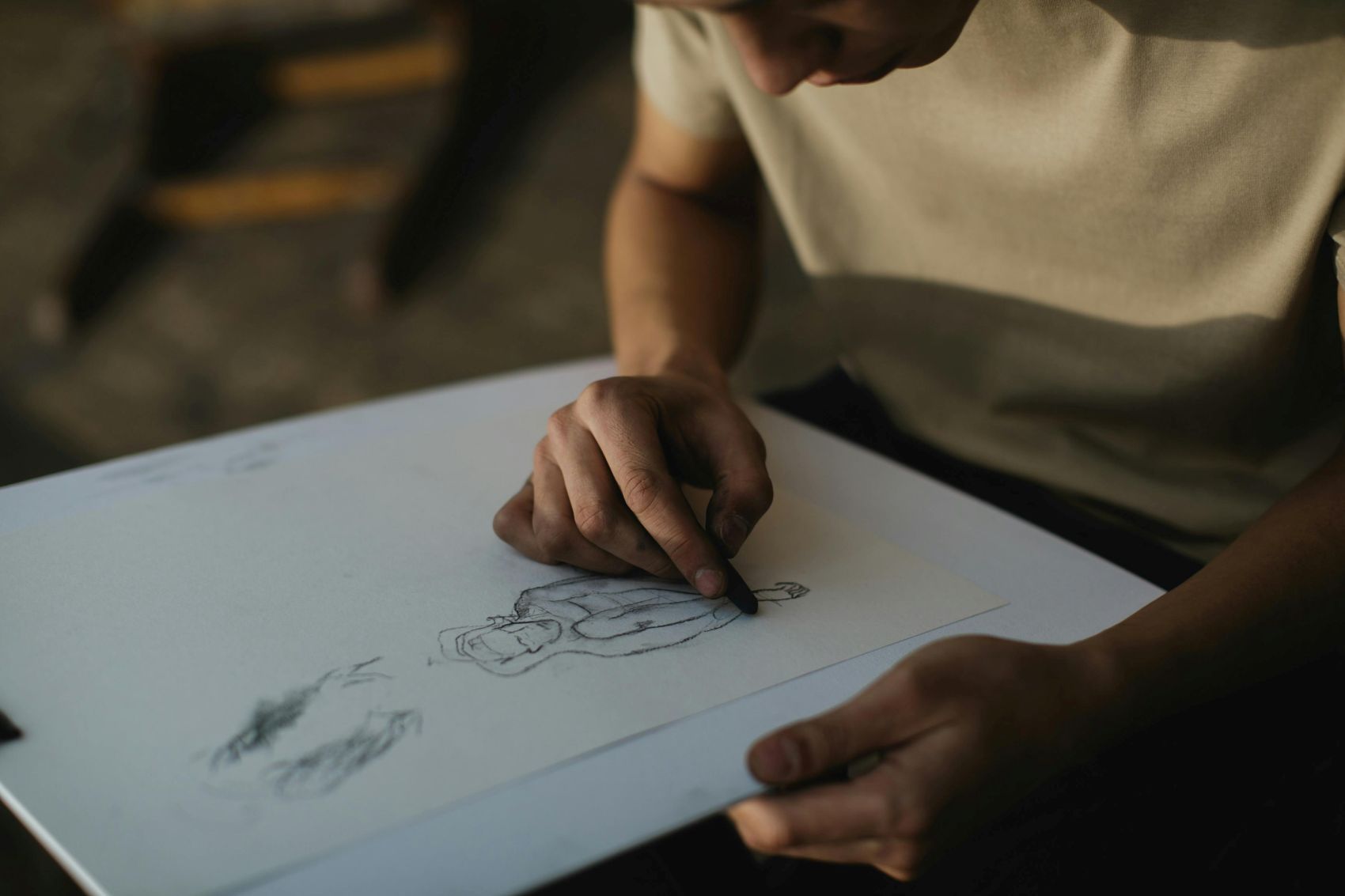
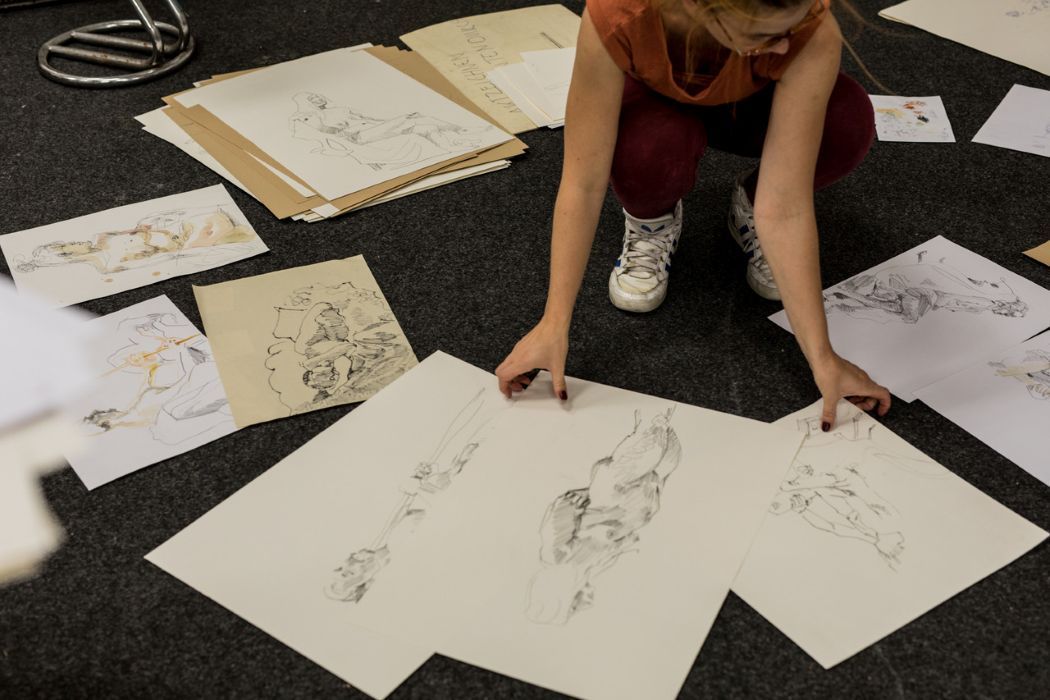
- Learning to draw people: Visit Diana Schulz at her life drawing class in Düsseldorf and learn to draw people.
Drawing people requires a good sense of proportion, anatomy, and expression. Here you'll learn step by step how to draw people realistically, even as a beginner. With the right techniques, anyone can learn to draw people. Especially for beginners who want to draw people simply or even realistically, a clear structure for practice is essential.
How Can You Learn to Draw People?
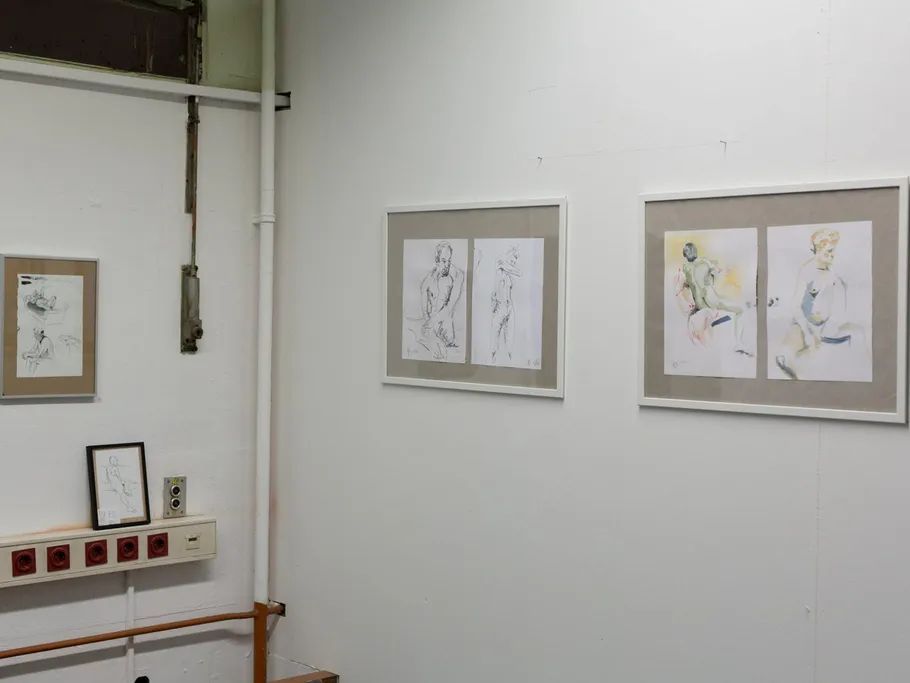
By practicing regularly, starting with simple shapes, and paying attention to proportions. Observation, patience, and enjoying the process of drawing are key. Pen, paper, and off you go. Being able to draw people is one of the most exciting skills in the creative field. It's not just about technique, it's also about observation, expression, and the courage to be imperfect. If you want to learn to draw people, you don't need much: a pen, paper, and most importantly, the will to simply start.
What Are the Average Body Proportions of a Person?
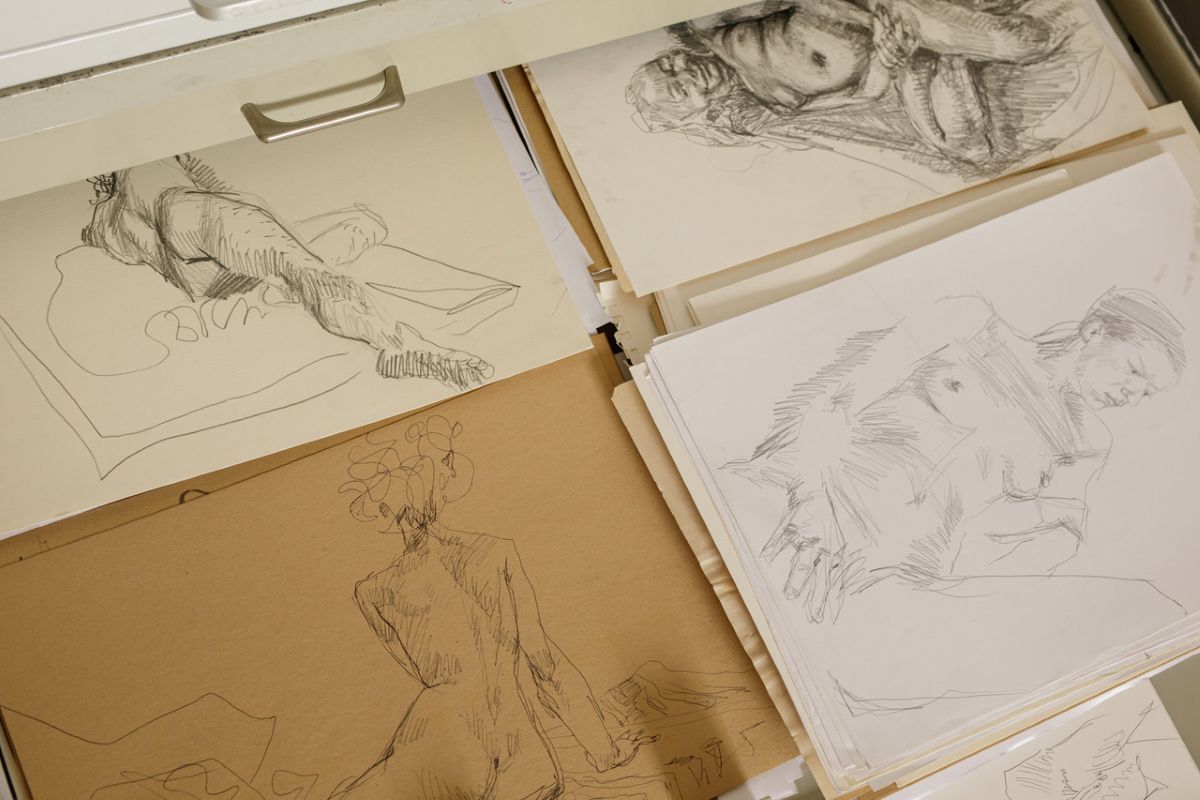
If you want to learn to draw people, you should get familiar early on with the topic of drawing the body and its proportions. Human anatomy follows certain ratios that offer you valuable orientation, especially as a beginner. Even though every body is unique, the following rules of thumb help you get started drawing people:
Basic Proportions for Drawing People:
- Height – about seven to eight head-lengths: Measure from the top of the head to the chin, this length fits about seven to eight times into the total body height. This rule helps you build figures evenly when drawing a person.
- Shoulder width – about two head-widths: Shoulders shouldn't look too narrow or too wide. This proportion makes a figure look visually balanced.
- Hands reach the middle of the thigh: When the arms hang loosely, the fingertips end roughly at the middle of the thigh. This is an important reference point, even if you're only drawing the upper body.
- Feet – the length of the forearm: Foot length roughly matches the forearm, from elbow to wrist. This is a helpful rule of thumb, especially for full-body drawings.
How Do I Draw a Face and Hair?
When drawing people, the face is often a particular challenge, especially if you want to draw people realistically. But with a few simple ground rules, a portrait can be structured well too. For beginners practicing drawing people, a clear framework is enormously helpful.
Basic Rules for Facial Proportions:
- Eyes on the midline: Even though it's often perceived differently, the eyes sit roughly in the middle of the head, on the horizontal halfway point between the top of the head and the chin.
- Nose halfway between the eyes and chin: The tip of the nose ends roughly halfway between the eye line and the chin.
- Mouth about one-third below the nose: The area between the nose and chin divides into three equal sections: the upper lip sits here. The mouth's starting point is usually a bit below the line separating this section from the middle one. The mouth opening, between the upper and lower lip, sits in the middle third. The chin sits in the bottom third. Its shape and size determine how strong or soft the face appears.
- Think of hair as a shape first: Instead of drawing individual strands right away, it helps to first sketch the hairstyle as a large shape or area. After that, you can gradually add more realistic detail by refining the volume and structure of the hair with lines.
How Do I Draw an Upper Body?
The upper body looks especially lively when it has volume, posture, and movement. To achieve that, it helps to break the upper body down into simple basic shapes. This helps you simplify and construct even complex poses.
Building the Upper Body from Simple Shapes:
- The shoulders are the widest element of the upper body. They define the outer silhouette and help you gauge the overall posture of the figure, especially when drawing people from the side, the shoulders set the direction.
- The chest can be represented well as a large oval or slightly curved box. This shape gives volume and helps you understand perspective and tilt.
- The stomach tapers downward. This tapering creates natural body tension and gives a coherent connection to the legs or hips. This is a valuable trick when you want to draw a person in motion.
Dynamics Through Movement Axes:
Another important factor when drawing people as a beginner is the so-called spine line. A curved line that acts as a movement axis. It shows you the direction and posture of the body and brings life into every sketch. If you use this line correctly, you can create dynamism and expression even with just a few strokes.
How Do I Draw Legs and Feet?
Drawing legs and feet may seem complex at first glance, but with a bit of practice and the right structure, even beginners can master it.
Structuring the Legs:
- The thighs are strong and voluminous. They form the load-bearing element of the lower body and should be drawn a bit wider than the rest of the leg.
- The lower legs are comparatively slimmer and taper toward the ankle. Getting the placement and proportion of both parts right helps you draw realistic people, both standing and in motion.
- The feet can initially be laid out very well as a simple wedge shape. This gives you orientation for positioning and perspective. Only after that should you add details like toes or joints.
In Which Positions Can People Be Drawn?
When drawing people, you have countless possibilities, since the human body can move into countless poses and perspectives. But especially as a beginner practicing drawing people, it's worth starting with three basic positions.
Three Classic Positions to Start With:
Drawing a person standing: This pose is especially good for beginners to develop a feel for drawing the body and its proportions. You can clearly see how the body is structured and grasp the figure as a whole.

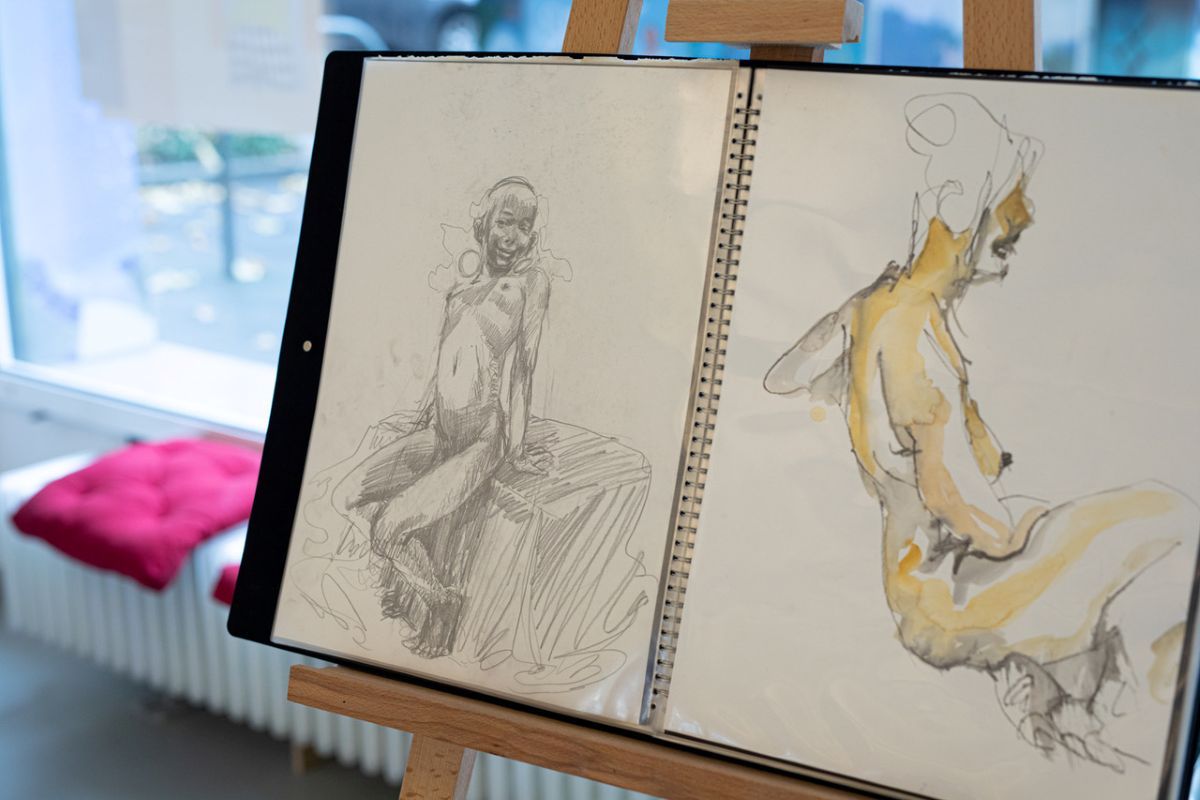
Drawing a person sitting: A seated figure introduces more dynamics and perspective. Here you need to pay attention to how the upper body shortens or twists and how the legs are bent.
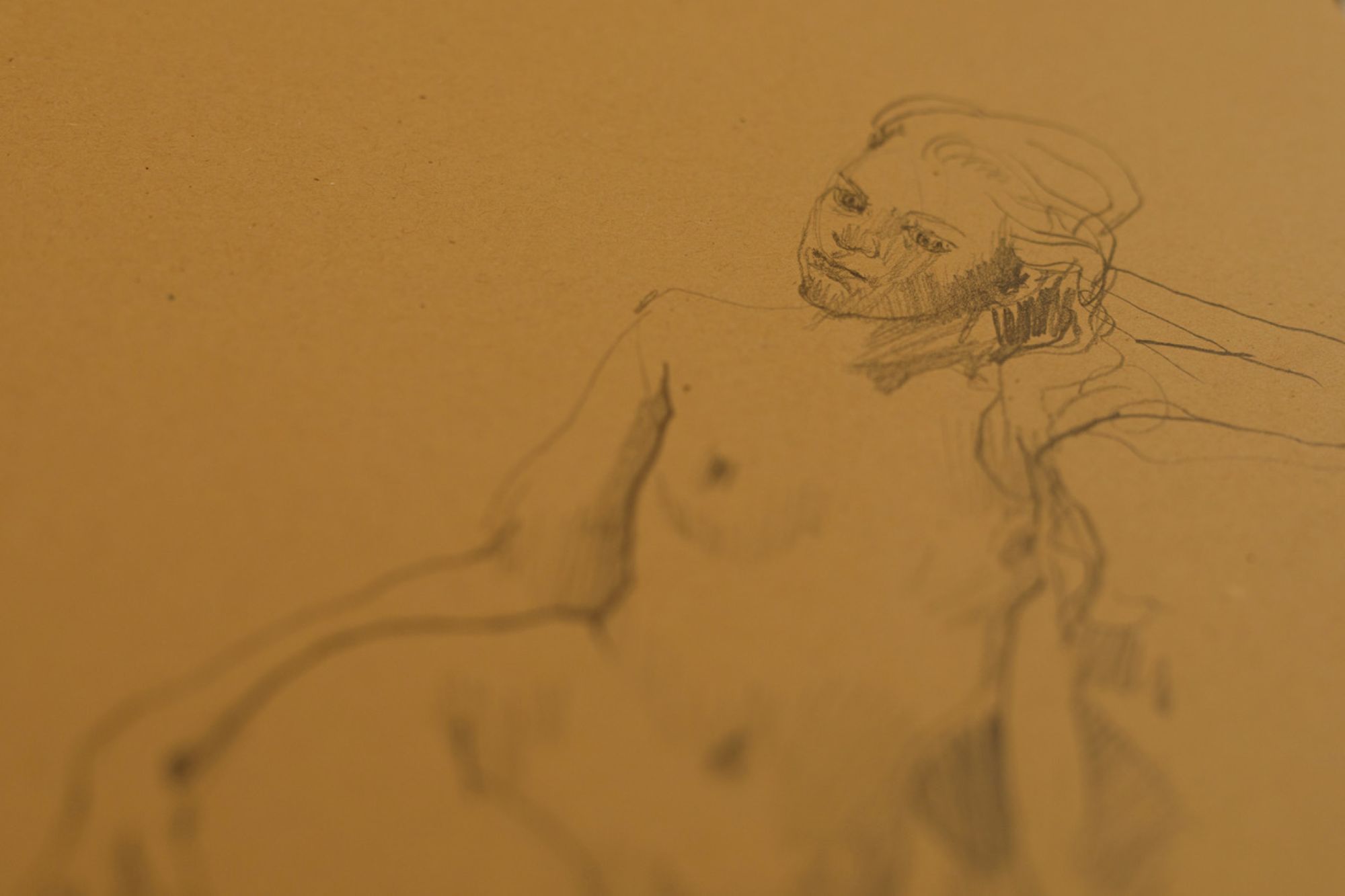
Drawing a person lying down: This position is significantly more demanding, since it involves many foreshortenings and unusual angles. If you already have some practice and want to draw realistic people, this is an exciting challenge.
A common mistake among beginners is getting lost in details too early. Reduce the figure to basic shapes and focus on the overall structure. Study the model closely and analyze how the shapes work together. This helps you draw a person who feels lively and coherent.
Over time, you'll develop a good eye for where to consciously simplify and where to go deeper into detail.