- Makeup for Beginners: What Do I Need to Start Applying Makeup?
- Makeup for Beginners: What Should You Do Before Applying Make-up?
- In What Order Do I Apply Make-up Correctly?
- What Mistakes Should Beginners Avoid When Applying Make-up?
- Step-by-Step Guide: How Do I Apply Eye Makeup Correctly?


- Applying makeup requires knowledge and the right products to achieve a perfect make-up look
- To create a simple and natural makeup look for beginners, you need basic products such as a tinted day cream, mascara, eyebrow gel, blusher, and highlighter
- The correct order of application is crucial to achieving a harmonious overall look
- There are certain mistakes that beginners should avoid in order to achieve a professional make-up result
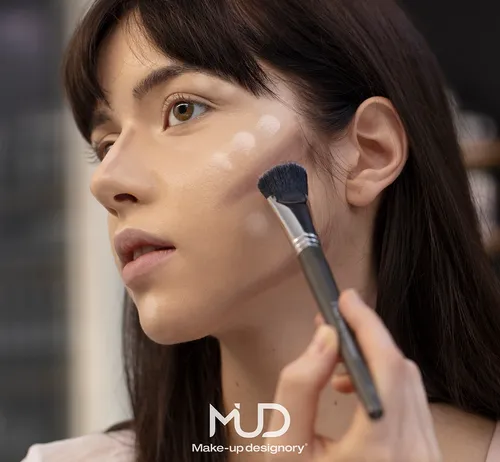
Do you want to improve your makeup skills but are not quite sure how to get started? Then our make-up classes are just the thing for you. Every face is unique and requires a different approach, base match, and color choice, which is what makes makeup for beginners particularly challenging. In our private make-up class, you learn make-up application from the ground up and receive valuable tips and tricks for your individual look. To give you a clearer insight into make-up for beginners, we have put together the most important information for you, so that you too can soon be creating beautiful make-up looks with your brushes and products.
Makeup for Beginners: What Do I Need to Start Applying Makeup?
When you are just starting out with make-up, you need a few basic products. Here they are:
- A tinted day cream or a tinted serum to achieve an even complexion
- Mascara to emphasise and volumise the lashes
- A tinted eyebrow gel matching your hair colour to define the brows
- Blusher to add colour to the cheeks
- A highlighter to bring a glow to certain areas of the face
With these basic products, you can create a simple and natural makeup look for beginners that reflects your individual style.

Is a Primer Important?
A primer is a product that serves as a base for make-up. It smooths the skin's texture, minimizes pores, and helps makeup last longer. For beginners, a primer is not strictly necessary, but it can help your makeup stay in place and go on more evenly. If you find your makeup does not last throughout the day or your skin has unevenness, a primer could be a good addition. It is important, however, to choose the right primer for your skin type and to apply it sparingly to avoid an overly cakey effect.
Tip: If you are interested in makeup and want to improve your skills, our private makeup class is just the thing for you. Under professional guidance, you learn everything about working with makeup and applying it to your own face.
Makeup for Beginners: What Should You Do Before Applying Make-up?
Before you start applying your make-up, there are a few preparatory steps to take to achieve the best possible result:
- Cleanse your face thoroughly: Use a gentle cleansing lotion or facial wash to remove dirt, oil, and dead skin cells. Clean skin forms the best foundation for an even make-up application.
- Moisturise: Apply a light face cream or serum to hydrate your skin and make it supple. Moisture is important to avoid dry, uneven skin.
- Sun protection: Apply a sunscreen or tinted day cream with an integrated SPF to protect your skin from harmful UV rays. This is particularly important to prevent long-term skin damage.
By following these steps before applying make-up, you create a solid base for your look and ensure that it lasts longer.

In What Order Do I Apply Make-up Correctly?
The correct order of application is crucial for beginners to achieve a harmonious and balanced result. Here is a make-up application order recommended for beginners:
Step 1: Prepare the face
- Begin with a clean, moisturised face. Never skip this step, as it is crucial for the longevity of your make-up. If you have sensitive skin, you may want to use natural cosmetics.
Step 2: Apply foundation
- If you have dry skin, apply a primer to create a smooth base for your make-up. If your skin is oily, skip this step. Apply a foundation or tinted day cream that matches your skin tone. Distribute it evenly across the face to achieve an even complexion.
Step 3: Apply concealer
- Use a concealer or cover stick to hide blemishes, dark circles, or redness. Apply it directly to the affected areas and blend gently with your fingertips or a concealer brush. Remember that the cover stick should always be slightly orange to correct the dark colour of under-eye circles – never too light. If you want lighter under-eyes, use a cover stick that is only one shade lighter than your skin tone.
Step 4: Set with powder
- Set your foundation and concealer with a small amount of powder. Remember: too much powder makes everyone look older! Apply only a small amount with a large brush to the T-zone (forehead, nose, chin) to reduce excess shine.
Step 5: Create contour with bronzer
- Apply bronzer to add warmth to your cheeks, and complete the look by applying a little blusher to the outer cheekbones.
Make-up tip: Do not draw the blusher all the way to the ear. It should end where your eyebrow ends.
Step 6: Fill in the eyebrows
- Fill in your eyebrows with an eyebrow pencil or powder. Use short, light strokes to achieve a natural look. Try to keep the brows soft and light. Remember: the eyebrows are part of the story and should not be the main focus of the face.
Step 7: Apply eyeshadow
- Apply eyeshadow to your eyelids. Choose a colour that complements your skin tone and eye colour, and blend well to achieve a soft transition.
Pro make-up tip: Do not bring the eyeshadow all the way up to the brows. The brow bone should always remain free of colour.
Step 8: Refine with eyeliner and mascara
- If you are comfortable with eyeliner, draw a fine line along the upper lash line to define your eyes. Then apply mascara to your upper and lower lashes to add volume and length.
Make-up tip: Make sure to work the mascara right down to the root of the lashes.


- Lips: Apply a lipstick or lip gloss to your lips. Choose a colour that complements your skin tone and hair colour.

By following this order, you can achieve a harmonious overall look and ensure that each product comes into its own. This also makes applying makeup for beginners much easier.
Tip: If you have a party coming up and are not yet feeling fully confident with your make-up, our makeup party in Berlin could be just the thing for you! There you have the opportunity to complete your look quickly and easily.
What Mistakes Should Beginners Avoid When Applying Make-up?
Beginners can make certain mistakes that affect the final result. Watching make-up tutorials on YouTube, Instagram, or TikTok may seem helpful at first glance, but in most cases it can actually have a negative effect. These tutorials rarely take into account that faces and facial features vary from person to person. What works for one person may not work for another. Here are some mistakes you should avoid:
- Using too much product: Avoid applying too much foundation, concealer, or powder. Start with a small amount and build up gradually if needed to achieve a natural look.
- Wrong color selection: Choose products that match your skin tone. Avoid shades that are too dark or too light, as they can make your makeup look unnatural.
- Uneven application: Make sure to blend your foundation, concealer, and eyeshadow well to avoid hard lines. Use appropriate brushes or your fingers to achieve an even result.
- Neglecting skincare: Skincare is an important part of the makeup process. Do not forget to cleanse and moisturize your face before applying make-up.
- Over-plucked or over-filled eyebrows: The eyebrows are an important part of the face and can influence the entire look. Follow the natural shape of your brows and fill sparse areas with a light touch. Using an angled brush makes application easier.
- Not cleaning make-up brushes regularly: Dirty brushes can cause breakouts and uneven make-up application. It is best to clean brushes immediately after use with 99% alcohol or once a week with a bar of soap and warm water. Rinse well and leave to dry overnight on a towel. Special cleaning products are not necessary.
- Not removing make-up before bed: Sleeping in make-up can clog your pores and cause breakouts. Always remove your make-up before going to bed.

Tip: To avoid mistakes and get to know your face better, you can attend our private make-up class, where we give you personalized advice and show you how to apply makeup to suit your individual facial features.
Step-by-Step Guide: How Do I Apply Eye Makeup Correctly?
Applying eye makeup can be a challenge, especially for beginners. Here is a step-by-step guide to creating a beautiful eye look:
Step 1: Apply primer or concealer
Apply a primer or concealer to the eyelid to create a smooth base and even out any blemishes.
Step 2: Apply eyeshadow
Choose an eyeshadow in the color of your choice. Apply it with a brush to the mobile lid and blend well to avoid harsh edges.
Step 3: Create depth
To create depth, apply a slightly darker eyeshadow to the crease and blend carefully. Emphasize the outer corner of the eye with a darker eyeshadow to achieve a V-effect. Blend the color softly so that it merges with the rest of the eyeshadow.
Optional: If you wish, apply a lighter eyeshadow to the inner corner of the eye to open up the eyes and create a wide-awake look.
Step 4: Apply eyeliner
Use an eyeliner to draw a fine line along the upper lash line. Start at the inner corner of the eye and draw the line outwards. You can also apply eyeliner along the lower lash line if you wish.
Step 5: Apply mascara
Apply mascara to give your lashes volume and length. Start at the root and move the wand in zigzag strokes towards the tips.
Optional: If you wish, apply false lashes for a more dramatic effect.
By following these steps and experimenting with different colors and techniques, you can create beautiful and expressive eyes.