- What is zero waste? Zero waste means "zero trash." The primary goal of zero waste is waste reduction.
- The purpose of the zero waste lifestyle: Getting started with zero waste helps you take a closer look at your own consumption habits.
- Starting with the zero waste kitchen: The zero waste kitchen is a great entry point into more waste reduction. With little effort, you can easily cut back on consumption.
- Tips for the zero waste kitchen: Through recycling, composting, and avoiding plastic, you can easily reduce waste and do something good for the environment.
In Germany, 85 kg (about 187 lbs) of food worth €235 is thrown away per person every year. That's a huge amount that's harmful to the environment, and it also shows just how much we consume. To counter this waste problem, many people are switching to zero waste. The zero waste lifestyle aims to reduce trash and encourage us to rethink our own consumption habits.
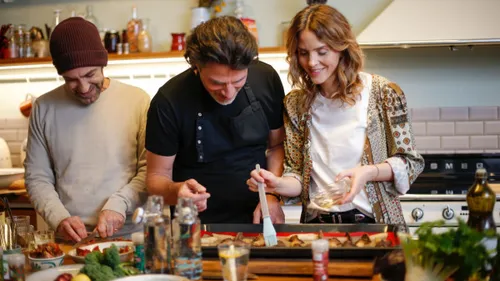
We'll show you what you need to know about zero waste, specifically the zero waste kitchen, and how you can reduce waste in your own everyday life here and in our zero waste kitchen cooking class in Berlin. We can assure you: our zero waste tips are easy to fit into your daily routine.
What is zero waste?

Zero waste means exactly what it says: "zero trash." As the name suggests, it's all about waste reduction. The goal is to reduce waste and protect the environment and human health from harm. That means unnecessary consumption should be reduced, and you only buy what your household actually needs. According to the zero waste definition, then, anything you don't need is waste, and therefore unnecessary for your wellbeing.
The zero waste concept also includes recycling and composting. We should make an effort to properly sort and recycle waste to encourage the reuse of materials. At the same time, organic waste can be composted to create valuable fertilizer for plants. Zero waste isn't a radical approach, but a gradual process where everyone can take small steps. It's about making conscious decisions and exploring alternatives to sustainably protect our environment and make a positive contribution to the future. Through mindful action and small changes, every individual contributes to a cleaner, healthier environment.
How important is zero waste?
Zero waste is very important because it saves resources and energy. By reducing resource waste, we tackle the problem at its root. A zero waste lifestyle minimizes the need for packaging and leads to a more resource-efficient, energy-conscious way of living.
When was zero waste invented?
Capannori was the first city in Europe to develop a zero-waste strategy. In 2007, the municipality in northern Tuscany set the goal of producing no more waste by 2020. To achieve this goal, a comprehensive plan was developed that, among other things, relies on separate waste collection systems to maximize waste recovery.
Is it possible to live zero waste?
It's entirely possible to live zero waste. When shopping, you can start by avoiding waste by choosing reusable over disposable items and glass bottles instead of plastic. Many larger supermarkets or organic stores already offer milk, yogurt, and cream in reusable glass bottles. Discover simple ways to bring zero waste into your everyday life. A life without trash is absolutely doable and doesn't mean your life becomes limited. You can start with small steps, beginning with the zero waste kitchen, to make it easier to ease into the zero waste lifestyle. You can gradually integrate everything else into your daily routine after that. Because zero waste is an ongoing process and takes time to become part of your routine. And eventually, waste reduction becomes second nature and simply part of your everyday life.
Where does waste reduction start?
Waste reduction in the zero waste kitchen can happen in a variety of ways:
- Avoiding packaging waste
- Skipping plastic and unnecessary items
- Only disposing of the essentials - in other words, recycling
- Using food longer and in different ways
- Composting
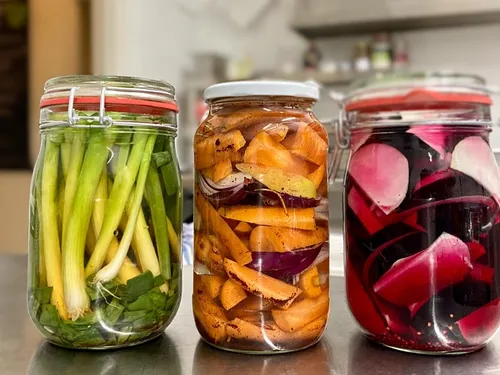
It's important that when buying groceries, you also think about what you actually plan to use, so leftover food doesn't end up in the trash. Try switching to cotton bags instead of plastic bags too, since you can reuse bags again and again for your shopping. Foods you don't have a use for right now can also be fermented to make them last longer. You can easily learn the basics of fermenting.
And of course, it can happen that you simply can't use up some foods. According to the zero waste kitchen approach, you can then compost them and use them as plant fertilizer.

Zero waste products as an alternative
Conventional products | Zero waste products |
|---|---|
Plastic bags | Cotton bags |
Hard-to-recycle packaging that can't be reused | Unpackaged food/recyclable packaging |
Food in plastic containers | Fermented products in mason jars |
How do you go zero waste in the kitchen?

We'll give you top zero waste tips to make waste reduction in your kitchen a breeze. We'll show you how you can easily save food and money while also doing something good for the environment. The zero waste kitchen is actually much easier to fit into your daily routine than you might think.
Zero waste tip 1: Shop more mindfully
- Make a shopping list and check what you already have on hand beforehand.
- Don't buy fruits and vegetables in large packages.
- Don't go grocery shopping hungry.
- Avoid deals like "buy 3 get 1 free" - these offers often lead to a lot of food ending up in the trash.
- For the zero waste kitchen, only buy what you really need, so waste reduction actually works.
- You can also buy "ugly" fruits and vegetables, since they're just as good and can be used in all kinds of dishes where appearance no longer matters.
Zero waste tip 2: Pay less attention to the best-by date
- See, smell, taste - trust your senses, and you'll be able to tell whether a product is still edible.
- The date is a quality promise from the manufacturer, since most foods actually last much longer.
Zero waste tip 3: Introduce leftovers days
- For the zero waste kitchen, you can use up leftovers instead of buying new food.
- You can make a plan where you use up "stock" two days a week and get creative with it. The internet offers endless inspiration for the zero waste kitchen.
Zero waste tip 4: Use fruits and vegetables longer and in more ways
- You don't need to peel most fruits and vegetables, since most of the nutrients that are good for your health sit right under the skin.
- You can turn "soft" vegetables into a soup, casserole, or roasted veggies.
- You can soak them in cold water for an hour, and the vegetables will mostly become crisp again.
- Overripe fruit can be turned into delicious smoothies or frozen.
- You can turn ripe bananas into ice cream, use them in a cake batter, or use them for baking (instead of egg or refined sugar).
Zero waste tip 5: Repurpose bread
- A few days old bread can be turned into crispy bread chips.
- You can bake a quiche crust out of breadcrumbs.
- You can also use bread to thicken soups and sauces.
- Or you can bake a delicious bread casserole.
Zero waste tip 6: Use cloth bags instead of plastic bags
There are various alternatives to the plastic bag that can be used again and again, such as cloth bags, backpacks, or baskets. It's a good idea to always keep a bag in your shopping or work bag, as well as in your car, so you have an alternative to a plastic bag ready even for spontaneous purchases. The importance of avoiding plastic bags can't be overstated. In Germany alone, enormous quantities of plastic bags are used every year.
Zero waste tip 7: Reuse used tea bags
Don't throw away your used tea bags! There are many ways to give tea bags a second life. They can revive your plants, make nutrient-rich compost, remove stubborn grease buildup, and reduce under-eye circles. Make the most of your used tea bags and enjoy all the benefits they offer!

Getting started with the zero waste kitchen - a process worth the effort
Getting started with the zero waste kitchen takes some patience. What's important is not putting too much pressure on yourself, but taking small steps instead. What matters first is that you're making an effort at waste reduction. Since people are creatures of habit, the process simply takes a bit longer. You also don't have to implement all the zero waste tips at once. Pick the points that are easiest to fit into your daily life. Once you've mastered these steps, the others will soon follow.