African food – The key facts at a glance:
- African cuisine reflects the continent's diversity, shaped by its many countries, cultures, and ethnic groups.
- Africa's culinary traditions have been influenced throughout history by colonial powers and local traditions alike.
- Each region of the continent has its own culinary characteristics, ranging from North Africa to Southern Africa.
- Join a cooking class and discover the rich world of African food firsthand.
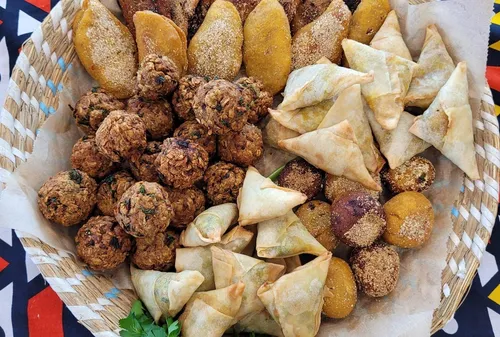
Africa is not only known for its breathtaking landscapes and diverse cultures but also for its fascinating culinary scene. African food reflects the continent's rich cultural diversity, presenting a vibrant mix of flavors, spices, and ingredients. In this article, we dive into the world of African food and explore the unique taste experiences it has to offer.
What is typical African cuisine?

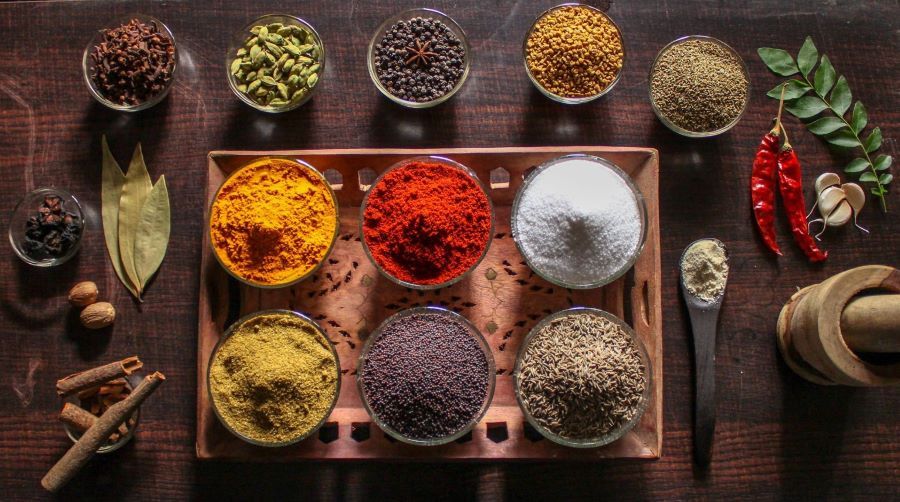
Defining what counts as typical African food is a challenge because Africa is both geographically and culturally incredibly diverse. African cuisine is a true fusion of flavors and ingredients. The variety of landscapes and cultures has given rise to an impressive array of culinary traditions. African food has been strongly shaped by the various colonial powers that brought their own dishes, preferences, and cultures. Central, East, North, South, and West Africa all have distinct dishes, preparation techniques, and eating habits. Spices play a central role in many African dishes. From North to South Africa, people use a rich palette of spices such as cumin, coriander, piri piri, and berbere, which give each dish its unique aroma. Fresh ingredients like vegetables, fruit, and meat are used in many African recipes to achieve a perfect balance between flavor and nutrition.

African food: What is typical of North African cuisine?
North African cuisine is known for its intense use of spices and aromas, which give lamb and fish dishes in particular their distinctive character. Countries such as Morocco, Tunisia, and Egypt offer a culinary range that spans from couscous and tajine to kebab and mezze. The tajine, a traditional braised dish, is the symbol of North African cuisine. Tender meat, fresh vegetables, and a rich blend of spices come together in a true feast for the senses.

African food: What is typical of South African cuisine?
South African cuisine stands out for its fascinating blend of influences. The country's history is reflected in its culinary traditions, which draw on Dutch, Malay, and Indian cooking. In sub-Saharan Africa, hardly a day goes by without fufu. This hearty, thick porridge made from cassava, maize, or yam forms the foundation of the diet. Vegetables, peanuts, and plantains also play a key role. In South Africa, the European and Indian influence is felt most strongly. There, you can also try many exotic game meats such as ostrich, kudu, or springbok.
What is the national dish of Africa?
Africa has many iconic dishes, but there is no single national dish for the entire continent. Every country has its own culinary traditions and specialties. Some of the most well-known African dishes include Mufete from Angola, Moi Moi from Nigeria, and Waakye from Ghana.

How do you eat fufu properly?
Fufu is a staple food in many African countries, particularly in West and Central Africa. This nourishing porridge made from starchy ingredients such as cassava, maize, or yam forms the basis of many meals, making fufu recipe knowledge essential to understanding African food culture. There is no single correct way to eat fufu; it varies from country to country. The preparation and consumption of fufu differ from region to region. In some countries, fufu is eaten with the hands; in others, with utensils. The older generation still tends to eat fufu by hand. It is often served with sauces and eaten without chewing. Fufu is not just a meal, it is a cultural experience that reflects the connectedness and hospitality of Africa.
Some typical african recipes
Dish name | Key ingredients |
Injera | Teff flour, salt, water, yeast |
Pof Pof / Mikati | Water, flour, yeast, salt, sugar |
Pepper Soup | Various meats, chilli peppers, pepper, African basil (scent leaves) |
Mufete | Grilled fish, boiled cassava, sweet potatoes, plantains, beans in palm oil, tomato salad |
Moamba de Ginguba | Chicken in peanut sauce |
Matapa | Leafy greens, coconut milk (vegetarian or with prawns) |
Jollof Rice | Tomatoes, rice, onions, habaneros, red bell pepper |

What role does food play in African culture?

In African culture, food is far more than a necessity. It is an expression of hospitality, community, and identity. Meals bring families, friends, and neighbors together, strengthening social bonds. Preparing and sharing food is a form of love and appreciation. African food stands for diversity and encompasses all the specialties of the African continent. This diversity is also reflected in the many local culinary traditions, from the choice of ingredients and methods of preparation to cooking techniques. In Africa, people don't cook in individual portions; hospitality is deeply ingrained. When guests arrive, there is always a generous, filling meal on the table, even unannounced visitors are welcomed with open arms. Large pots and open hearts ensure that everyone leaves satisfied.
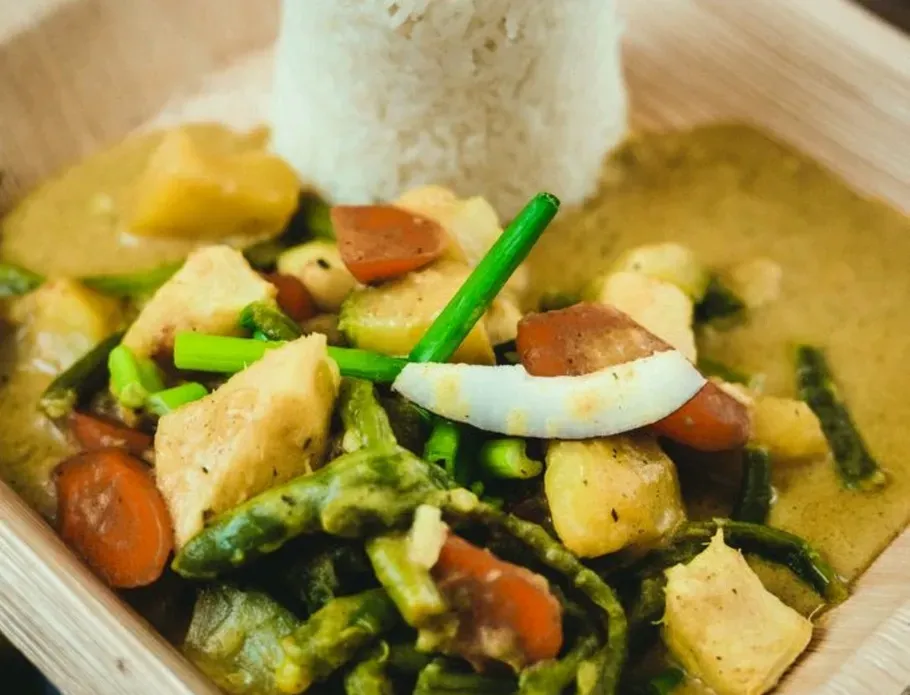

African food reflects the culture, history, and diversity of the continent and remains an essential part of the African way of life.
Inspiration for youSign up for the newsletter and receive tips for great experiences near you. As a thank you, you will receive a €5 gift card.



African Food – FAQs
Discover classes of Casa Africa