- Planning a scavenger hunt: Define your target audience, theme, location, and difficulty level, walk the route in advance, and note down your tasks.
- How can I make a scavenger hunt more exciting? Add excitement with photos, videos, surprises, and creative tasks.
- How many stations should a scavenger hunt have? 10 to 20 stations work well, depending on the route and players.
- Don't feel like planning it yourself? Find the right scavenger hunt in your city with Spiele Gruppen or discover 576 city hunts.
How Do You Plan a Scavenger Hunt?
Here's a guide to help you prepare your scavenger hunt:
Who Is the Scavenger Hunt Game For?
Think about who the participants will be: How old are they? What are they interested in? How's their physical fitness level? And how much puzzle-solving experience do they bring? If you're planning a scavenger hunt for adults, the difficulty can be significantly higher than for a kids' or family version.
Where Should the Scavenger Hunt Take Place?
A central element in organizing a scavenger hunt is the location. Do you want the hunt to take place in a forest, in the city, or even inside an old building? It's important that all participants can easily reach the location, with good access, parking, and accessible paths. Consider whether the setting fits the group: Are there elevation changes? Is the route easy to walk? Especially when organizing a scavenger hunt for adults, make sure the route and puzzles match the target audience.
Choosing the Right Length and Difficulty
The scavenger hunt route shouldn't be too long, but also not too short. After all, you want everyone to stay engaged and have fun without giving up halfway through. The puzzles should challenge participants without overwhelming them. A good mix of suspense, logic, and small challenges keeps people motivated. A mystery-themed scavenger hunt is ideal for adults who love puzzles and enjoy immersing themselves in a story.
Which Format Should You Use for Your Scavenger Hunt?
There are many ways to design your scavenger hunt: the classic approach with paper clues and directions, or a digital version through an app or website. If you want multiple groups to play at the same time or at different times, an automated version is worth considering, especially for events or company outings. For a one-time experience, the analog version works perfectly well.

Gathering Feedback & Checking Quality
The best thing you can do before releasing the scavenger hunt game: test, test, test. Play through the entire game yourself, or have someone test it who will give you honest feedback. Only once you're absolutely confident that everything is clear, well thought out, and solvable should you launch the event. This matters especially for a mystery-themed scavenger hunt for adults, where the story needs to feel coherent and the flow logical.
Communication Before You Start
Before the game begins, you should clearly communicate the rules and how it will unfold. Without giving too much away, explain to participants what to expect. Clear guidelines lead to a better experience and help avoid misunderstandings. This way, you ensure everyone has fun.
Your Scavenger Hunt Is Ready to Go
Have you mapped out the route, thought through the tasks, tested everything, and explained it clearly? Perfect, then your scavenger hunt is organized and ready to launch. Whether it's a company event, a birthday surprise, or weekend fun, a well-prepared scavenger hunt for adults is guaranteed to be remembered for a long time.
How Can I Make a Scavenger Hunt More Exciting?
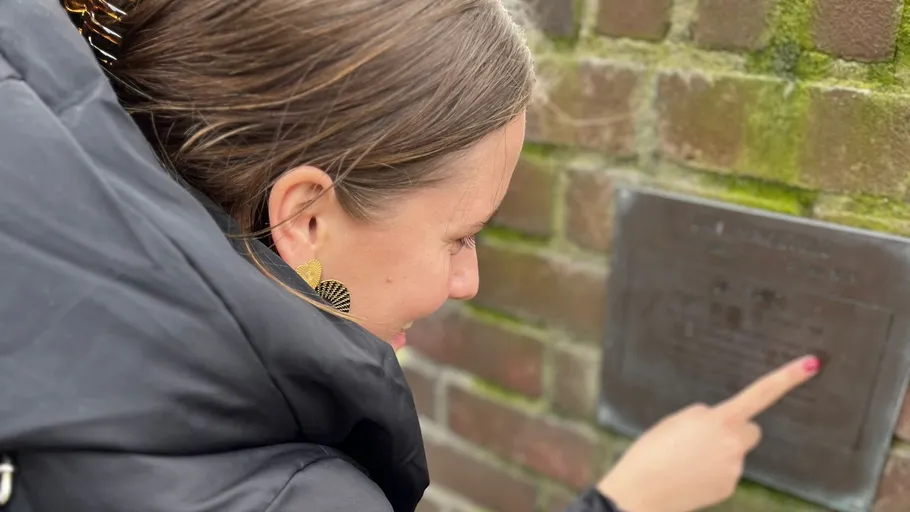
Of course, you want players to feel that adrenaline rush during the scavenger hunt. Surprise them with striking photos, videos, tasks, and inventive gadgets. For example, a website or a newspaper with information about the tasks, or maybe even a voicemail the players have to listen to. You could also arrange with a shop owner for participants to pick something up there. Of course, you can also hire an actor on-site to interact with the group. Coming up with the scavenger hunt itself takes the most time, but it's also the most important part. So give yourself plenty of time for it.
How Many Stations Should a Scavenger Hunt Have?
The length of the scavenger hunt matters a lot, it shouldn't be too long or too short. Here too, think about who will be playing. Are they athletes who run 6 miles every week, or people who rarely walk anywhere? Aim for at least 10 and at most 20 different locations, each with a task or question. Choose the most beautiful spots along the route, so participants have time to look around and maybe snap a few photos.

What Skills Does a Scavenger Hunt Build?
A scavenger hunt encourages the group to work together, communicate well, and search for answers as a team. It's nice to make the questions varied. Puzzles and riddles from the internet work great for this, but also use everything available at the location you're at.
Tasks for a Scavenger Hunt:
- Number puzzle: Participants find a padlock with a numeric code. They get the code by, for example, solving a math problem.
- Word puzzle: The group collects letter cards hidden at various stations. At the end, they must form a sentence.
Tip: Letters can be handed out as a reward for solving previous puzzles.
- Sleuthing task: The group receives five statements from suspects, only one of which is true. Using process of elimination, they must figure out who's telling the truth. This works great if you're planning a mystery-themed scavenger hunt yourself.
- GPS coordinates: Give participants coordinates to reach the next station.
- Sound puzzle: The group receives an audio recording, for example through a phone, and has to guess what they're hearing. This could reference a well-known location or similar clue to help them find the next station.
Tips for Your Scavenger Hunt:
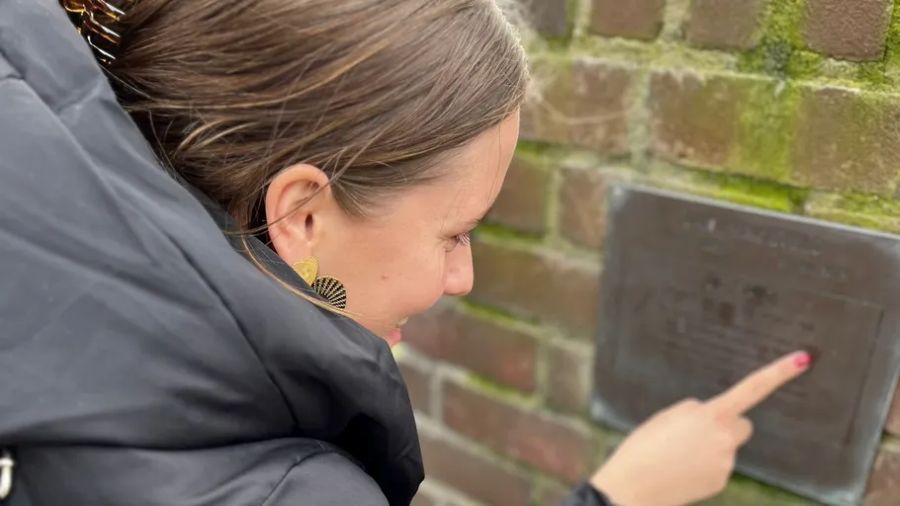
- Test the scavenger hunt before letting others play it. First, play through the game yourself to make sure everything checks out and there are no mistakes. Then test it with someone you know, and ideally go along yourself. Listen closely to what's being said. Are they enjoying the game? And check how many answers they get right along the way. Time how long it takes them to complete the game.
- The scavenger hunt shouldn't last longer than about 1.5 hours. After that, many people lose focus and want to move on to something else. Alternatively, you can build in a break so they can continue with fresh energy.
- Surprise participants during or after the scavenger hunt. Make sure the game includes something unique that they'll talk about long after, whether that's a particular task or even a short film at the end of the hunt.
- Keep the amount of text in the scavenger hunt limited. Most people don't enjoy reading long passages.
- Coming up with the scavenger hunt itself takes the most time, but it's also the most important part. Give yourself enough time for it.