Rosé Wine Production – Key Takeaways
- What is rosé wine? Rosé is a type of wine known for its pink hue and versatile flavor profiles.
- Rosé production methods: Rosé is produced using three methods: direct pressing, maceration, and saignée.
- Rosé seasonality: Rosé stays popular all year round, in winter almost as much as in summer.
- Rosé prices: A good rosé typically costs between six and 13 euros at a specialty wine shop.
Old clichés about rosé wine being a "blend" of leftover red and white wine have long since fallen out of fashion in the world of winemaking. Rosé remains steadily popular among younger and older wine lovers alike, in winter almost as much as in summer. And for Valentine's Day, a pink-hued wine just fits perfectly. Visit one of 841 wine tastings and find your new favorite.
What Is Rosé Wine?
Rosé wine, a fascinating creation in the world of wine, stands out for its unique color palette, ranging from delicate salmon tones to intense raspberry red. But what exactly is rosé, and how does it differ from its relatives, red and white wine? Rosé brings together elements of both worlds, combining the fresh, crisp character of white wine with the structured body of red wine.
Rosé can be made from a variety of grape types, resulting in an impressive range of rosé wine styles. From dry to sweet, still to sparkling, rosé offers the right pour for every taste and occasion. It's especially popular in summer, but its appeal knows no season. Whether paired with light summer dishes, enjoyed as a refreshment on a warm afternoon, or matched with international cuisines, rosé wine has secured a permanent place in the hearts of wine lovers.

Some Facts About Rosé Wine:
- The ideal grape varieties for rosé have less color pigment and more acidity. In principle, though, any red grape variety can be used, which makes rosé grapes especially versatile.
- Production time for rosé is significantly shorter than for red wine, and even shorter than for white wine. After fermentation, rosé only needs a few months of aging or rest, and can often be bottled within the same year it's harvested. This explains its typically lower price point.
- There are pure white rosé wines that are pressed so gently that no color pigments transfer from the skin into the must. Since the flesh of (almost) all red grapes is pale, this can produce something like a white Merlot, which brings a real "wow factor" when served.
€5 off a wine tastingSign up for the newsletter now and get a €5 voucher as a thank you for a wine tasting near you.


How Is Rosé Made?
No, rosé is never made by blending red and white wine, at least not within the EU. The exceptions are sparkling wines (rosé Champagne production, sparkling wine, Crémant, etc.), where a small amount of red wine is blended into the aging white wine during production.
Almost always (with a few exceptions mentioned below), rosé wine is a product of vinifying red grapes. It's just that the process unfolds differently than it does for red wine. Vinification describes the entire winemaking process.
There are three methods for producing rosé, and they don't vary all that dramatically:
Rosé production method 1 - Direct pressing: As with most white wines, the grapes are pressed. In the process, the skins release a bit of color. The juice (must) is then drawn off and fermented. The finished rosé has a pale, delicate color.
Rosé production method 2 - Maceration: As in red wine production, the grapes stay in contact with the skins. However, not for weeks, just four to 48 hours. The duration depends on how deep a color the rosé should have.
Rosé production method 3 - Saignée: This method actually starts as red wine production. But a portion of the must is drawn off after a few hours and processed further into rosé. Here, the rosé is essentially a byproduct.
Rosé Is Fully on Trend
A fashion for drinking rosé that has steadily grown for many years is said to have started on the Côte d'Azur. The "rich and beautiful" discovered rosé from the nearby Provence region and swapped it in for sweet alcoholic cocktails at their yacht parties. Light, vibrantly colored, and easy-drinking wines always fit the occasion, whether as an aperitif, paired with all kinds of small bites, or simply enjoyed solo. To this day, Provence rosé remains the most well-known, and France is the country with the highest rosé consumption in the world.

Price and Producers: How Much Does a Rosé Cost?
The most expensive rosé wines are the Provence wines mentioned above, especially those in the distinctive, decorative, waisted bottles known as "flutes à corset" ("flute in a corset"). Local designers have since developed all kinds of other creative bottle shapes, some of which feel more like a fine perfume bottle than an affordable 750 ml wine bottle. Even so, prices in this segment rarely exceed 15 to 20 euros per bottle of rosé.
Rosé wines are produced in every wine region, though, so we're lucky to have an enormous selection to choose from. Typically, rosé wines cost between six and 13 euros at a specialty wine shop.
If you prefer a sweeter rosé, by the way, you're most likely to find it among German winemakers. Off-dry (halbtrocken) and sweet (lieblich) wines are still widely available in Germany, while in many other countries they tend to be more of a specialty item (like Rosé d'Anjou from the Loire Valley or White Zinfandel from California).
Rosé Wine Varieties and Specialties: Rosé Wines You Should Try
Rosé Wine Variety | Characteristics and Special Features |
|---|---|
Blanc de Noir (or Blanc de Noirs) | The official term (including in Germany) for a white wine made from red grapes. While this wine looks color-wise identical to a Blanc de Blanc ("white of whites") among sparkling wines, in still wines it's almost always a pale pink color with a fine, delicate body and flavor. |
Weißherbst | In Germany, a rosé subject to stricter requirements, made using direct pressing (see above). Weißherbst is always a single-varietal quality wine made from specific grape varieties (usually Pinot Noir or Portugieser) grown in an approved wine region. |
Blush | An easy-drinking rosé specialty from Italy made from Pinot Grigio grapes. Although technically a white grape variety, color pigments in the skin give it a rose-colored hue. |
Rotling | Another exception among rosé wines: it's the only one produced using both red and white grapes together. Rotling is primarily a Franconian specialty, also known in Saxony, the Saale-Unstrut region, and other German wine regions, sometimes called Schiller wine. |
Drinking Rosé the Right Way: How Do You Drink Rosé Wine?
Now let's move from theory to practice and pour ourselves a glass of rosé:
- Chill your rosé to 9-12°C / 48-54°F beforehand (not colder, or you won't fully pick up on the aromas).
- If you like, you can let it decant for a few minutes (simply leave the bottle open).
- The wine shouldn't be older than 3-4 years.
- You don't necessarily need special wine glasses for rosé, but a plain, angular glass like those used in Provence villages would be underselling it. Reach for a universal white wine glass or a tasting glass instead.
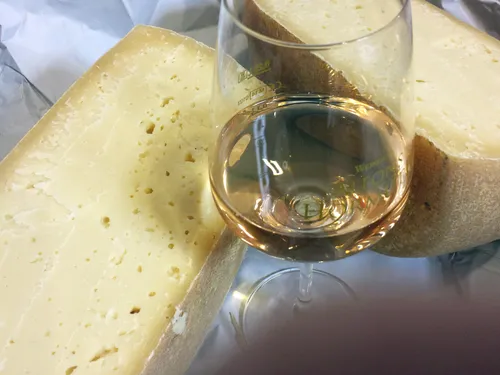
- Paired with a few tapas, a bottle of rosé turns into a joyful little feast. And by the way, rosé wines, whether dry and full-bodied or off-dry and delicate, pair beautifully with a variety of cheeses.


Discover classes of DeliKater Weinstudio