Table of contents
- 1. What Is Natural Wine?
- 2. How Does Natural Wine Differ from Conventional Wine?
- 3. What Principles Guide the Production of Natural Wine?
- 4. What Role Do Organic and Biodynamic Standards Play in Natural Wine?
- 5. What Flavor Qualities Set Natural Wine Apart?
- 6. What Is Pet Nat, and How Does It Relate to Natural Wine?
- 7. Why Is Natural Wine Becoming Increasingly Popular?
- 8. Is Natural Wine Automatically Vegan?
- 9. How Do You Recognize Genuine Natural Wine, and What Should You Look For?
- 10. Are There Special Considerations for Storing and Serving Natural Wine?
- 11. What Criticisms and Challenges Exist Around Natural Wine?
- 12. Does Natural Wine Have the Potential to Reshape the Wine Market?

REBENGLÜCK
Partner and writer
What Is Natural Wine – The Basics
- Definition: unaltered, natural wine without unnecessary additives
- Ingredients: grapes from organic or biodynamic farming
- Production: spontaneous fermentation with natural yeasts, unfiltered, no industrial intervention
- Curious about natural wine in action? Experience it on a REBENGLÜCK wine hike in the Rheingau, taste, enjoy, experience nature.
Natural wine is trending right now, in the truest sense of the word. But what's actually behind the term "natural wine"? How does it differ from conventional wine, and why is it becoming increasingly popular? In this article, you'll get a comprehensive overview of the world of natural wine. Everything you need to know, explained clearly, so you can better understand what makes these wines special.
What Is Natural Wine?
Natural wine is a form of winemaking that embraces minimalism. The goal is to keep the wine as natural as possible, without unnecessary intervention in the production process. That means the wine is made from grapes grown organically or biodynamically, and largely avoids additives both during production and storage. With natural wine, the pure expression of the grape takes center stage. Each vintage and its terroir (soil, climate, and surroundings) are authentically reflected in the flavor.

How Does Natural Wine Differ from Conventional Wine?
The most important difference lies in the production process. While conventional wine often includes chemical aids like sulfur, sugar, or yeast to influence flavor and shelf life, natural wine is left as nature made it. Natural wine also follows these principles:
- No artificial additives: neither industrial yeasts nor fining agents are used. Fining agents are typically used in conventional winemaking to clarify, stabilize, and balance the flavor of wine.
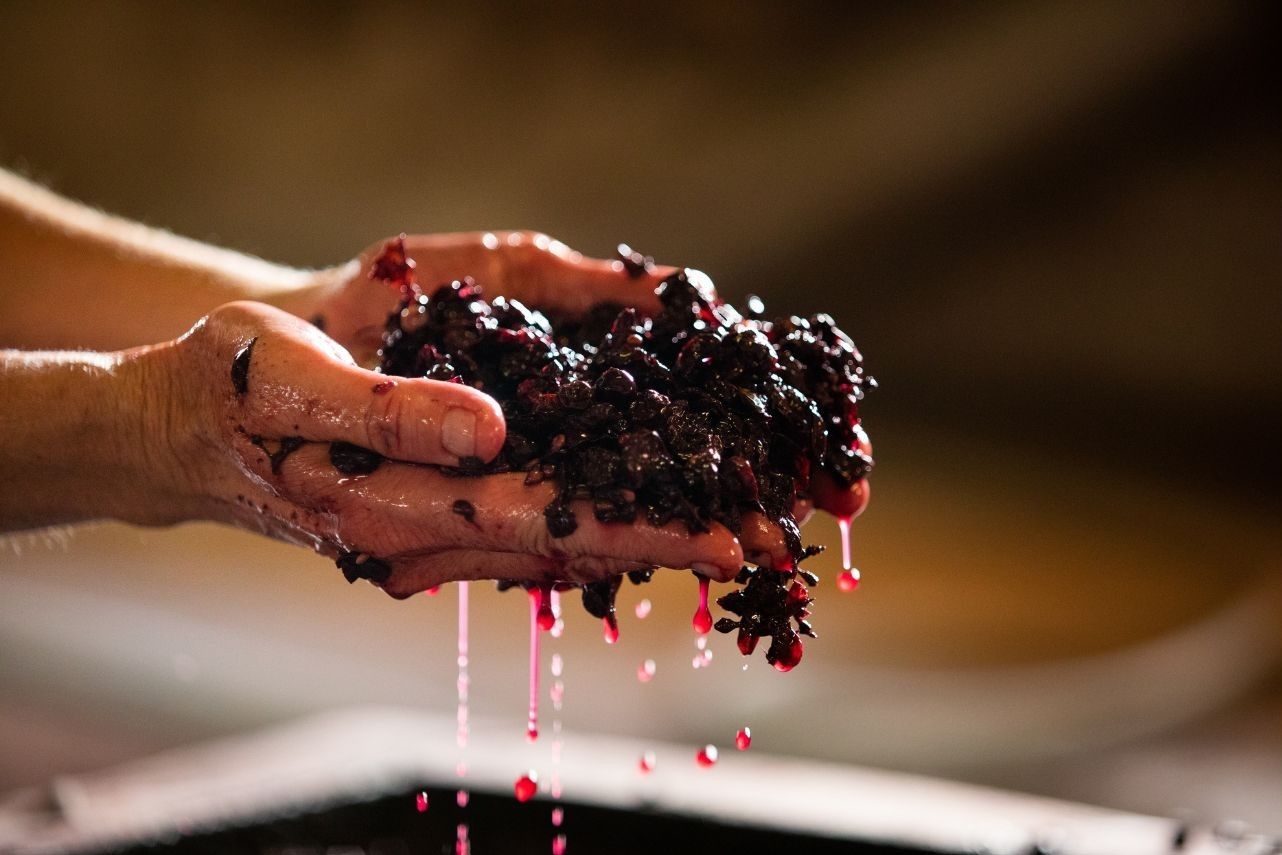
- Spontaneous fermentation: the grapes ferment using natural yeasts already present on the grape skins and in the cellar.
- Unfiltered: natural wines are rarely filtered, which often gives them a cloudy appearance and more intense aromas.

What Principles Guide the Production of Natural Wine?
Natural wine production follows the principles of organic and biodynamic farming, including:
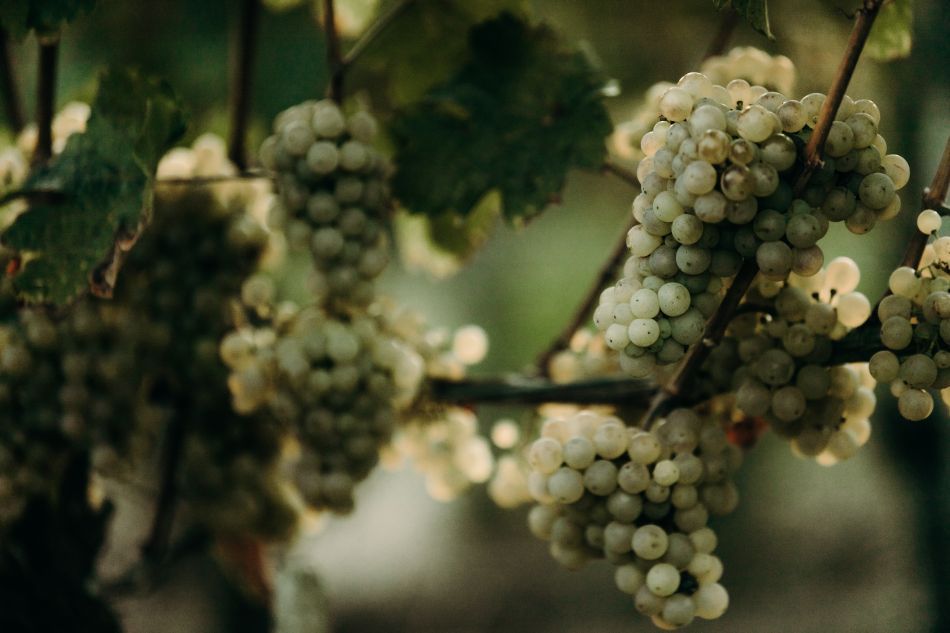
- Sustainable growing: the grapes grow without chemical pesticides or synthetic fertilizers.
- Manual labor: the grapes are usually harvested by hand to ensure quality.
- Gentle processing: as little intervention as possible occurs during winemaking.
- Pure flavor: no flavor corrections, no added sugar or acid.
What Role Do Organic and Biodynamic Standards Play in Natural Wine?
Most natural wines are produced according to organic or biodynamic standards. While organic viticulture avoids synthetic pesticides, the biodynamic approach goes a step further: it treats the vineyard as a holistic ecosystem and incorporates lunar cycles and natural preparations into vine care. That said, not every natural wine is automatically organic-certified. Some winemakers deliberately skip expensive certifications, even while working to the same high standards.
What Flavor Qualities Set Natural Wine Apart?
Natural wines offer a truly distinctive tasting experience. They can be more complex, wilder, and sometimes more unpredictable than conventional wines. Here are a few typical characteristics:
- Unfiltered aromas: natural wines often have intense fruit or herbal notes.
- A slight funkiness: natural fermentation can create a subtly "funky" flavor.
- Individual character: natural wine tastes exactly the way nature produced it that particular vintage.
What Is Pet Nat, and How Does It Relate to Natural Wine?
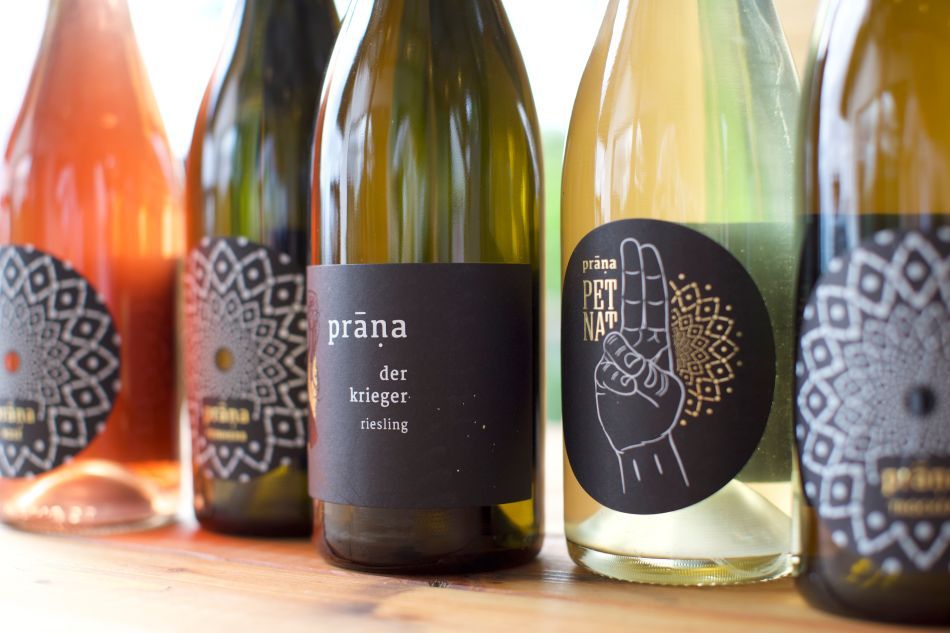
Pet Nat, short for "Pétillant Naturel," is one of the best-known styles within the natural wine scene. Using this traditional method, the wine is fermented directly in the bottle, which creates its natural carbonation, all without adding sugar or yeast as in classic sparkling wine or Champagne production. The result is a lively, often slightly cloudy wine with a fresh, spirited character. Pet Nat is often seen as a gateway into the world of natural wine, since it's uncomplicated, refreshing, and usually a bit more affordable than other natural wines.
Why Is Natural Wine Becoming Increasingly Popular?
The growing demand for natural wine is part of a larger trend toward sustainable, conscious consumption. Many people are looking for products that not only taste good but are also produced in an environmentally friendly way. On top of that, more and more wine lovers appreciate the sense of adventure natural wines bring: every sip is a surprise, every vintage an experiment.

Is Natural Wine Automatically Vegan?
Not necessarily. While natural wine avoids many additives, animal products like gelatin or egg white can sometimes still be used to clarify the wine. That said, most natural wine producers work without animal-derived aids. Look for a "vegan" label if this matters to you.
How Do You Recognize Genuine Natural Wine, and What Should You Look For?
You can recognize genuine natural wine by these features:
- Label information: look for terms like "unadulterated," "unfiltered," or "spontaneously fermented."
- Cloudy appearance: natural wine is often unfiltered and therefore slightly hazy.
- Where to buy: it's best to buy natural wines from specialty wine shops or directly from the winemaker.
A special tip: on a REBENGLÜCK wine hike in the Rheingau, you can taste natural wine right among the very vines it came from. You'll experience not only the wine's unique aroma but also enjoy views of the picturesque vineyards and the Rhine Valley.
Are There Special Considerations for Storing and Serving Natural Wine?
Yes, natural wines are more delicate than conventional wines and should be stored cool and dark. Once opened, they should be enjoyed as soon as possible. When serving, it can help to decant the bottle beforehand (to remove any yeast sediment).
What Criticisms and Challenges Exist Around Natural Wine?
Despite its growing popularity, natural wine faces some criticism:
- Shorter shelf life: natural wines are less stable and can spoil more quickly.
- Higher prices: due to the lower yields of natural viticulture, selective hand-harvesting, and higher risk in the cellar, natural wines are often more expensive.
- A matter of taste: natural wine isn't for everyone and can feel unfamiliar to beginners.
Does Natural Wine Have the Potential to Reshape the Wine Market?
Natural wine brings fresh energy to the world of wine. With its emphasis on minimalism and unaltered flavor, it offers an exciting alternative for anyone seeking something different. Rather than completely transforming the market, it expands its diversity and shows just how differently wine can be interpreted and enjoyed. It's an enriching addition that sparks curiosity and opens new paths.
Natural wine is far more than just a trend. It's an expression of craftsmanship, sustainability, and a desire for genuine, unaltered enjoyment.
Everything about the world of wine.With our newsletter, you will always stay up to date on the world of wine. Plus, save €5 on your next wine tasting.



What Is Natural Wine – FAQ
Discover classes of REBENGLÜCK