Table of contents
- 1. What exactly is a dessert wine?
- 2. How are dessert wines made?
- 3. The perfect combinations: Dessert wine and cheese


- What is dessert wine? A full-bodied, aromatic sweet wine that is ideally served at the end of a meal alongside desserts or cheese.
- Natural sweetness: The high residual sugar content results from methods like late harvest, noble rot (Botrytis), or frost (ice wine) – without any added sugar.
- The golden rule: The wine should always be a shade sweeter than the dessert served with it; otherwise, it tastes flat and sour.
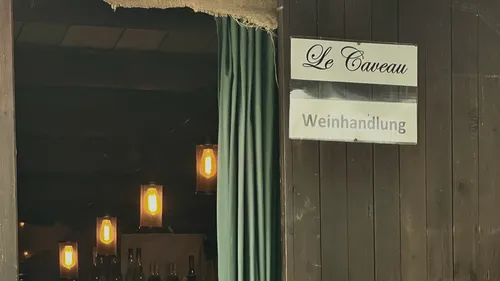
- Fancy a tasting? Choose from over 854 wine tastings or visit Le Caveau in Cologne for a matching wine tasting.
What exactly is a dessert wine?
Anyone planning a perfect dinner often looks for the ideal conclusion. This is where dessert wines come into play. But what exactly is a dessert wine? In short: They are full-bodied, fruity-sweet wines traditionally served at the end of a menu.
In contrast to classic dry wines, they have an extremely high residual sugar content. Characteristic of a good sweet wine is its dense, often almost syrupy texture and intense aromas ranging from honey and caramel to exotic dried fruits. The special thing about it: This sweetness is 100% natural and occurs exclusively during ripening and winemaking, not through added sugar.
How are dessert wines made?
The fascinating sweetness of dessert wines is no coincidence, but the result of extreme concentration in the grapes. Winemakers use various natural methods for this. Here is an overview of the most famous dessert wine types and how they are made:
- Overripe grapes: The berries remain on the vine for an extra long time and dry out slightly. Water evaporates, while the sugar and aromas become highly concentrated.
- Noble rot (Botrytis): A special mold penetrates the grape's skin and extracts its water. The result? Typical notes of apricot, honey, and nuts. The most famous example of this is the French Sauternes.
- Late harvest (Spätlese): The grapes are only harvested when they are completely overripe. The sugar content is enormously high, but the fresh acidity structure is preserved.
- Frost (Ice wine): A true miracle of nature. The grapes remain on the vine deep into the winter. During frost, the water inside the berries freezes. When pressed, only the pure, extremely sugar-rich, and aromatic juice is extracted.
- Drying (Straw wine): After harvesting, the grapes dry on mats or racks. Here, too, water evaporates, intensifying the fruity sweetness.
- Arrested fermentation (Fortification): To preserve the natural residual sweetness, winemakers stop the fermentation early by adding high-proof alcohol (approx. 96% ABV). This kills the yeast before it can convert all the sugar into alcohol.
The perfect combinations: Dessert wine and cheese
A dessert wine elevates the end of your menu to a whole new level of enjoyment. The most important rule for pairing is: The wine must be sweeter than the dessert. If this is not the case, even the finest drop will suddenly taste thin and sour.
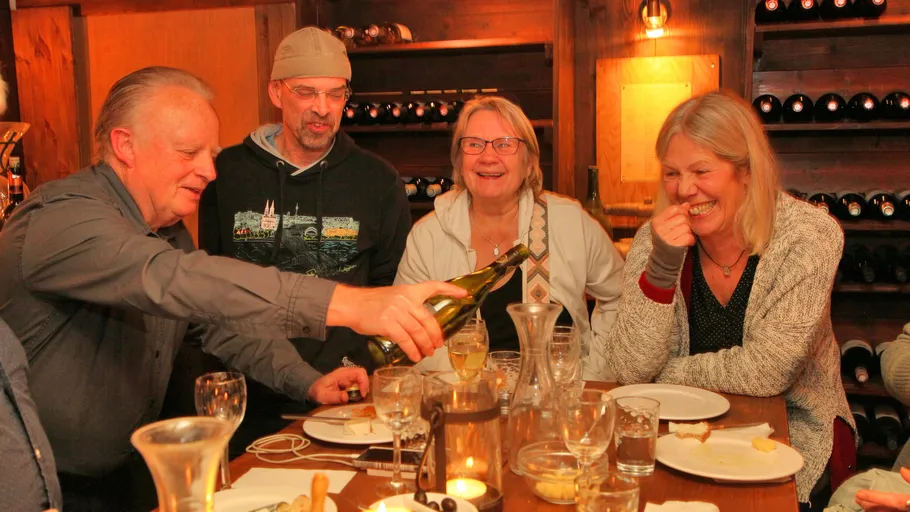
Whether a sweet dessert or a savory cheese platter, here are the best combinations for your next tasting:
Dessert / Cheese | The perfect dessert wine | Why it goes so well together |
|---|---|---|
Crème Brûlée | Sauternes | The honey notes of the wine melt perfectly with the caramel of the crust |
Blue cheese | Riesling Auslese | The fresh acidity of the Riesling balances out the fat and strong spice of the cheese |
Chocolate cake | Pineau des Charentes or Rivesaltes Ambrée | Nutty and intensely fruity aromas perfectly complement the tart chocolate |
Apple strudel | Ice wine | The lively acidity and fruitiness of the ice wine goes perfectly with baked fruits |
Simply trying dessert wines
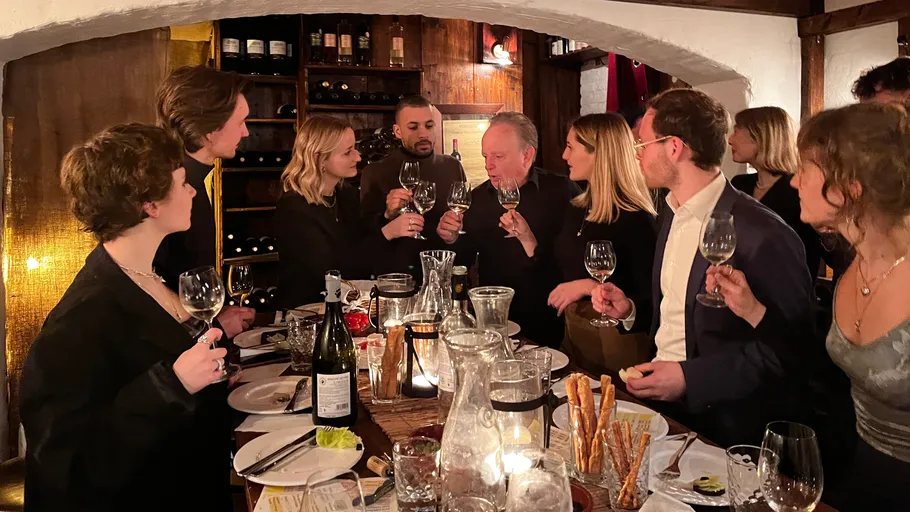
Theory is good, but wine needs to be tasted. At our partners at Le Caveau in Cologne, you can discover exactly these flavor worlds during special wine tastings with cheese pairing. There, French classics like Monbazillac, Muscat de Rivesaltes, or Sauternes are often on the program, perfectly matched with the finest cheese specialties.
Are you looking for the perfect gift for a wine lover in your life? With a wine tasting gift card, you are not only giving away first-class tastings in Cologne, but also the free choice of over 10,000 creative courses.