Fermenting Vegetables: How to Make Them Last Longer
Table of contents
- 1. What does fermenting mean?
- 2. Which vegetables can you ferment?
- 3. Which vegetables aren't suited for fermenting?
- 4. What do you need to ferment?
- 5. How long should vegetables be fermented?
- 6. What makes fermented vegetables so healthy?
- 7. What do I need to watch out for when fermenting?
- 8. What typical mistakes happen when fermenting?
- 9. Recipe ideas for fermenting vegetables
- Fermenting vegetables is a simple, thousands-of-years-old method to make food healthy and long-lasting.
- Almost any vegetable works for fermenting. Soft vegetables like zucchini aren't suitable.
- All you need is salt, water, clean jars, and a bit of patience.
- Fermented vegetables provide probiotic bacteria, vitamins, and flavors that strengthen your immune system and balance your gut flora.
- Feel like fermenting yourself? Try Thore's fermenting classes: in-person fermenting in Berlin or learn to ferment conveniently online.
Fermenting vegetables is very much on trend right now - and for good reason. With just a few simple steps, you can preserve your vegetables, discover exciting new flavors, and do something good for your health at the same time. Whether fermented vegetables like sauerkraut, crunchy carrots, or spicy fennel, fermenting doesn't just create new flavor worlds - it also produces valuable nutrients.
What does fermenting mean?
Fermenting is a thousands-of-years-old, traditional way to preserve food in a healthy, natural way - at least 3,000 years old. And no, it's not the same as canning. When you ferment, natural lactic acid bacteria do the work for you: they preserve the food, retain vitamins and nutrients, and even make it more valuable.
Fermentation isn't just sauerkraut or kimchi. Cheese, bread, wine, or beer - all of these are ferments too.
Which vegetables can you ferment?
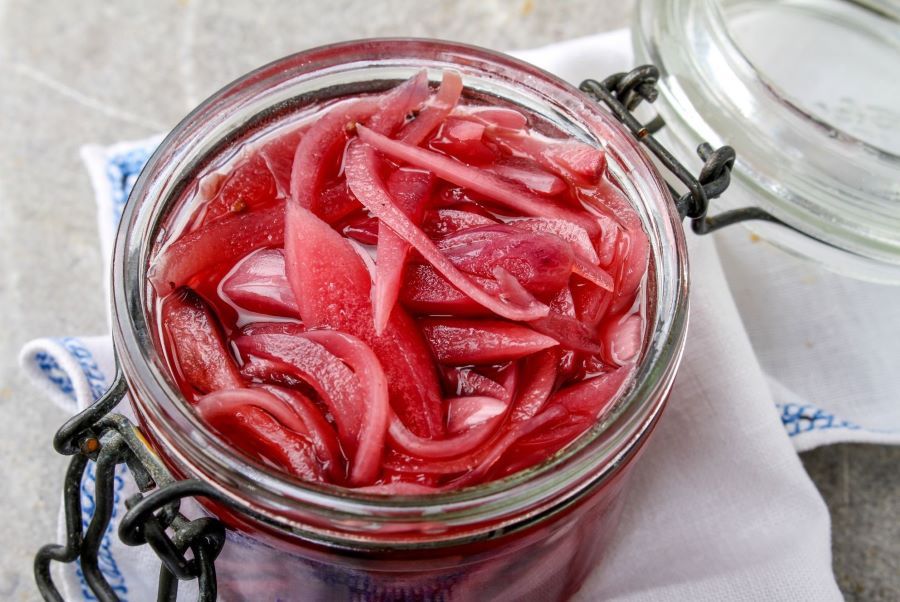
Put simply: any vegetable you could also eat raw, you can ferment. Once you understand that, the fermenting magic can begin. You can also ferment the leaves of root vegetables, except for nightshades - which include potatoes, eggplants, and tomatoes. Keep your hands off those when it comes to fermenting.
Important to know: fermenting always makes food softer and more sour. The sugar gets metabolized by the lactic acid bacteria. That means: if you ferment soft vegetables or fruit, they'll get even softer. So fermenting isn't necessarily a good idea for banana, zucchini, or delicate herbs.
And sure, you can ferment your entire fruit harvest too. But: you won't find the sweetness from the fruit afterward - it's gone. What's left is the aroma, and you need to know that before you start. So it's better to start with vegetables. Classics like sauerkraut or fermented red cabbage. Simply delicious.

Which vegetables aren't suited for fermenting?
Anything that's already very soft beforehand will get even softer and mushy - like banana or zucchini. With fruit, the rule is: aromas are preserved, sugar isn't. That means: if you want fermented fruit, be aware that it'll turn sour and the sweetness will disappear.
What do you need to ferment?
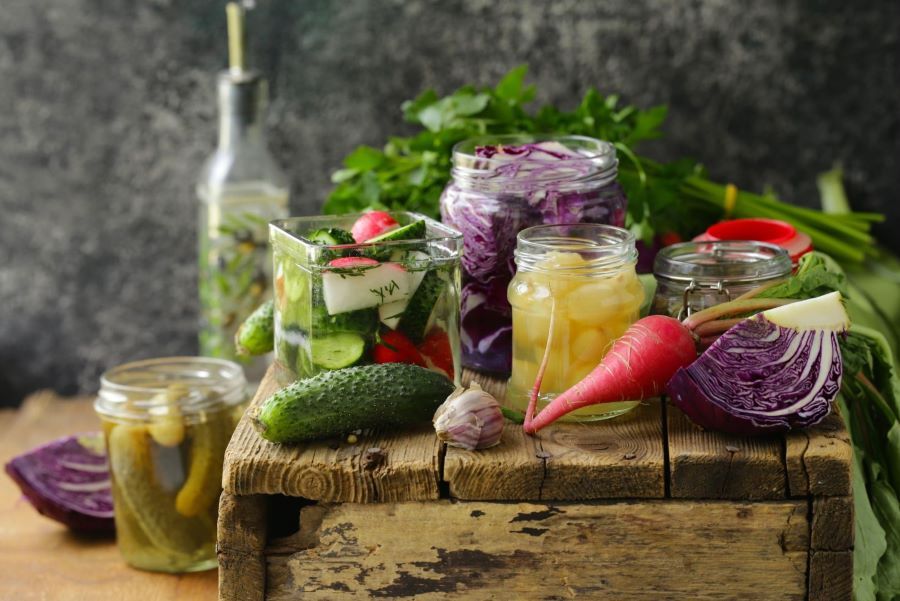
You don't need much. A few screw-top or clip-top jars - old jam or dip jars work too. Working cleanly matters, but you don't need to work sterile. Wash your hands, keep your workspace clean, boil the jars or run them through the dishwasher - that's enough.
Here's what you need to ferment vegetables:
- Good organic fruit and organic vegetables (the lactic acid bacteria we need sit on the skin)
- Rock salt
- Spices, however you like
- A sharp knife
- Clean screw-top or clip-top jars
- Large bowls for kneading and mixing
You don't need more than that. You don't necessarily need expensive fermentation jars or weights. Save that money and spend it instead on good organic vegetables and quality spices.
How long should vegetables be fermented?
For the curious and the impatient: ferment your vegetables for at least 7 days. At that point, the vegetables are still crunchy and not too sour, but the lactic acid is already present.
My recommendation: let sauerkraut or kimchi sit for at least 4 weeks. That gives you the right mix of acidity, flavor, and crunch.
Thicker vegetables like carrot or beet strips can also be fermented longer - a period of 2 to 3 months is ideal here. During Covid, for example, I had red cabbage in the basement. After 1.5 years, it was still perfect. Important: don't open the jars in between, or air and germs will get in.
What makes fermented vegetables so healthy?
When you ferment vegetables, enzymes and lactic acid bacteria form that strengthen your gut flora. Vitamins that would otherwise be lost during canning are preserved. And on top of that, fermentation creates new, valuable vitamins and minerals.
Fermented foods like kombucha, kimchi, or sauerkraut are true health boosters. Here's an overview of what happens in your body:
- Anti-inflammatory and antibacterial: Kombucha contains acetic acid, which has anti-inflammatory and antibacterial effects - a natural shield for your body.
- Balanced gut flora: The probiotic cultures promote the growth of good gut bacteria, which crowd out bad bacteria and thereby strengthen digestion and the immune system.
- Liquid health: Kombucha provides valuable vitamins like B12, C, and D as well as iron. These nutrients support your energy metabolism, immune system, and muscle and bone function.
- Rich in nutrients: Fermented foods help regulate your body's pH balance and take some strain off the liver and kidneys.
- Alkalizing effect: Fermented foods help regulate your body's pH balance and take some strain off the liver and kidneys.
- Easy to digest: Since the food is essentially "pre-digested," it's also well tolerated by sensitive stomachs or those with digestive issues. Fermentation strengthens not just your gut - and with it your immune system - but is also a real treat for your whole body.
What do I need to watch out for when fermenting?
To make sure your ferments turn out well, there are a few important points:
- Increase slowly: Your body needs to get used to the new gut bacteria. Start with small amounts to avoid bloating.
- Cleanliness is everything: Pay attention to clean work surfaces, jars, and tools. It's best to boil the jars to avoid contamination - though the dishwasher works well too.
- Watch out for histamine intolerance: Fermented foods aren't suitable if you have a histamine intolerance.
- Liquid is key: Make sure your ferment is fully covered by liquid at the start, especially with sticks. The liquid level will drop later on - that's okay. Please don't open the jar and top it up. Your ferment is safe!
- Avoid kahm yeast: This harmless but unsightly layer forms when there's too much oxygen or the vegetables are older. Work cleanly and store your ferment in a cool place.
Fun fact: originally, fermentation was used to preserve food. That way, people had access to vitamin-rich stores even during droughts - a brilliant method that's fully back in trend today!
What typical mistakes happen when fermenting?
Actually pretty rare - but it can happen. Typical mistakes when fermenting are:
- You're not working cleanly.
- The vegetables were already old or had mold spores.
- You open the jar too often out of curiosity (the biggest enemy of your ferments!).
- The lid isn't screwed on properly, letting air in.
If you keep these in mind, fermenting will almost always turn out well.
Recipe ideas for fermenting vegetables
There are countless recipes for fermenting vegetables. If you're feeling inspired to get started right away, here are a few ideas:
- Fermenting carrots: Simply cut into sticks, add to a jar with brine, garlic, and a bit of ginger. After one to two weeks, you'll have a crunchy, spicy ferment.
- Fermenting fennel: Fennel brings a sweetish aroma that pairs wonderfully with Mediterranean herbs. A real insider tip for summer dishes.
- Fermenting mushrooms: You can ferment mushrooms raw, ideally with herbs like thyme or rosemary. This gives them an intense, almost meaty flavor.