Starting a Herb Garden – Key Takeaways
- These herbs are perfect for an herb garden: parsley, chives, rosemary, dill, mint, basil, thyme, and many more.
- Ideas for creating an herb garden: Consider whether a herb spiral, a raised bed, or a herb garden in pots suits you best.
- Winter-hardy herbs: Some herbs can withstand cold temperatures and survive outdoors all year round.
- Herb workshops: Attend a herb workshop, learn all about herbs and spices, and discover how to create the perfect herb garden.
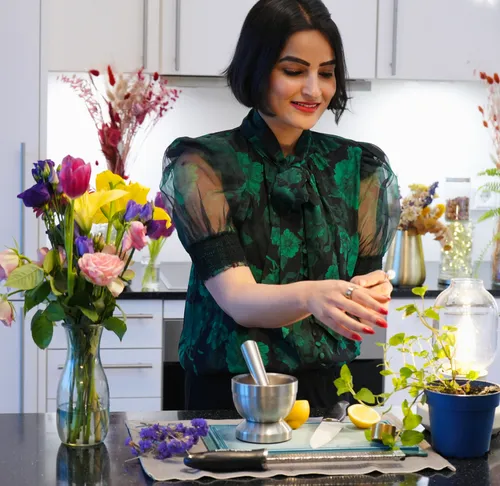
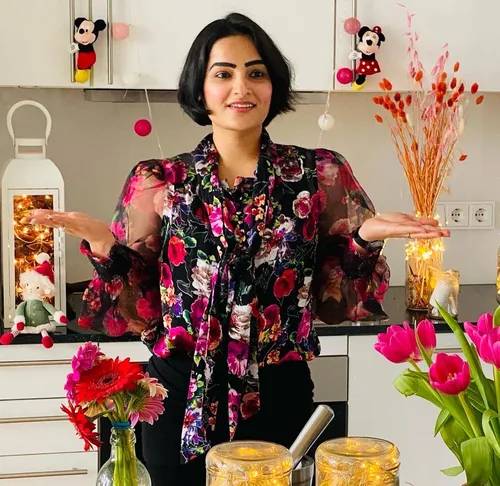
My name is Nistha, and I’m known as the dancing Indian chef in Berlin. I teach people about Indian cuisine and spices from around the world. I’ve hosted thousands of people from all over the world in my workshops and shared my knowledge of spices and herbs.

What belongs in an herb garden?
There are countless possibilities for what you can plant when you want to Planting herbs in your own green space. The following table provides an overview of various Herbs in the garden, their properties, and uses.
Herb | Characteristics | Garden Preferences | Hardiness | Uses |
|---|---|---|---|---|
Sage | Hardy, gray-green leaves, strong aroma | Full sun, well-drained soil | Yes | Mediterranean cuisine, meat dishes, teas |
Cilantro | Spicy leaves, aromatic seeds | Partial shade, cool | No | Asian, Latin American cuisine |
Lemon balm | Easy to care for, fresh, lemony scent | Partial shade, moist soil | Yes | Teas, desserts, aromatherapy |
Fenugreek | Aromatic, spicy note | Full sun, well-drained soil | No | Curry blends, spice pastes |
Cumin | Essential, prefers warm climates | Warm, regular watering | No | Indian, Latin American, Middle Eastern cuisine |
Lovage | Strong, spicy, reminiscent of celery | Moist, shady | Yes | Soups, stews |
Marjoram | More delicate and sweeter than oregano | Protected, full sun, well-drained | Limited | European cuisine, meat dishes, sauces |
Lavender | Fragrant, attractive to bees | Sunny, dry, well-drained | Yes | Decorative purposes, aromatherapy, desserts and lemonades |
Parsley | Flat-leaf or curly, versatile | Sunny to partial shade, moist soil | No | Soups, salads, garnishes |
Chives | Fast-growing, grass-like leaves | Sunny to partial shade, moist | Yes | Salads, soups, dips |
Rosemary | Woody, aromatic, very hardy | Sunny, dry, well-drained | Yes | Mediterranean cuisine, meat dishes, bread |
Dill | Fine, fern-like leaves | Sunny, water regularly | No | Fish dishes, salads, sauces |
Mint | Vigorous growth, refreshing | Partial shade, moist, controlled | Yes | Beverages, desserts, sauces |
Basil | Delicate, must be protected from frost | Sunny, warm, moist soil | No | Italian cuisine, salads, beverages |
Thyme | Small, firm leaves, very aromatic | Sunny, dry, well-drained | Yes | Soups, meat dishes, Mediterranean cuisine |

Other spices from the kitchen—here you can simply use leftover ingredients:
- Onion tops
- Lemon seeds
- Chili seeds

Which herbs should you definitely have in your garden?
When you start to creating a herb garden, it’s best to focus primarily on native herbs such as cilantro, mint, thyme, sage, and the ever-reliable rosemary. These herbs in the garden not only add depth to your culinary creations but also require minimal care.
With regular watering and some sunlight, the herbs in your garden will thrive effortlessly.
These local herb heroes adapt wonderfully to various weather conditions, making them an indispensable addition to any garden. Whether you’re an experienced gardener or just starting out, these low-maintenance herbs will thrive all year round and enhance your dishes.
However, some herbs survive the winter outdoors better than others. You may therefore want to consider bringing non-hardy herbs indoors for the winter.
Do you have a green thumb?Sign up for the newsletter and get tips on exciting plant-related events delivered to your inbox.


Which herbs are suitable for beginners?
For gardening newbies, getting started with herb gardening can be daunting, but don’t worry—starting small with simple herbs is the key to success in the herb garden. Start with a simple flower pot and experiment a little with herbs for the balcony or your patio.
These relatively low-maintenance herbs are suitable for beginners:
- Chives
- Parsley
- Thyme
- Rosemary
- Mint
- Lavender
- Sage
- Dill

Which herb bed is best for me?
When planning to creating a herb garden, you should consider which herb bed best suits your needs. Think ahead about how much space you have for your herb bed and how large you want your herb garden to be.
The Herb Spiral
As the name suggests, in a herb spiral, the herbs are arranged in a spiral pattern. This arrangement allows you to create different microclimates in a small space. The spiral structure is often built using stones around the herb bed and different levels.

Advantages of the herb spiral:
- Particularly space-saving
- The microclimate zones allow you to grow many different herbs in the garden
- The spiral-shaped herb bed can be a great eye-catcher
Disadvantages of the herb spiral: - Building the herb spiral is relatively labor-intensive
- Requires careful planning for watering and plant arrangement
The raised bed
A raised bed is an elevated structure filled with soil in which plants are grown. The raised bed provides a controlled environment for herbs and plants.

Advantages of raised beds:
- Raised beds are definitely the most back-friendly option
- Raised beds provide excellent drainage, which promotes root health
- Soil quality can be precisely controlled in a raised bed
Disadvantages of raised beds:
- Setting up a raised bed is comparatively more expensive initially
- The growing area for herbs is limited to the size of the raised bed
Herb garden in flower pots
The herbs are grown in individual pots. You can also arrange the herb pots as a vertical garden, for example, which is perfect for herbs for the balcony.

Advantages of herbs in pots:
- Pots are easy to move around, allowing you to take advantage of both sunlight and shade. You can also bring the herb plants indoors in the winter if you wish.
- Ideal herb garden for balconies or patios
- Each herb can be watered, cared for, and placed individually
Disadvantages of herbs in pots:
- Pots dry out faster, so you should water them more often
- The plants’ roots are limited to the space in the pot
When is the best time to start a herb garden?
When growing herbs in a herb garden, the seasons are crucial. Indoors, for example in the kitchen, you can grow your herbs all year round. Here, the season doesn’t matter.
However, if you venture outside into the herb garden or want to planting herbs onto the balcony, spring and summer are the best times to plant. When fall arrives, you should bring some of your herbs indoors to protect them from the cold. Hardy plants can stay outside even during the cold months.
Some herbs don’t thrive as well outdoors during the cold months, but they can continue to grow in an indoor kitchen garden. Just experiment with sowing new seeds throughout the year so your kitchen garden thrives in every season.
Which herbs should not be planted together?
Certain herbs should not be planted together because they have different growth habits and moisture requirements.
Some herb combinations to avoid include:
- Mint and other herbs: Mint is known for its aggressive growth and can quickly overrun a bed and crowd out other herbs. It’s best to plant mint separately from other herbs in a pot.
- Rosemary and basil: Rosemary prefers drier conditions than basil, which thrives in moist soil. If planted together, one plant may suffer from over- or underwatering.
- Cilantro and fennel: Cilantro and fennel are not ideal partners, as they have different requirements for moisture and soil.
- Thyme and mint: Thyme prefers drier soil, while mint prefers moister conditions. If planted together, one plant may compete with the other for water and nutrients.
- Lavender and basil: Lavender prefers dry, well-drained soil, while basil thrives in moist conditions. If planted together, lavender may develop root rot.
Planting different herbs next to each other can also help naturally repel pests and promote growth. Experiment with different combinations and find out what works best in your garden!
Good to know: You should avoid planting annual and perennial herbs together whenever possible. Instead, plant annual herbs in one group and perennial herbs in another.

How do I start a herb garden on my balcony?
Starting a herb garden on your balcony is surprisingly easy—even for beginners. Here’s how you can get your Kräuter für den Balkon off to a great start.
- Start small. Early spring, especially April, is the best time to planting herbs on your balcony.
- Choose a spot on your balcony that gets plenty of sunlight. For optimal growth, herbs generally need about 6 hours of sunlight per day. Place the herb pots where you can see them clearly so you can keep a close eye on them.
- Choose herbs that are suitable for the climate and your balcony. Some herbs thrive in pots and are therefore ideal for balcony gardens.
- Choose containers with good drainage to prevent waterlogging, which can lead to root rot. It is scientifically proven that well-draining soil promotes healthy root development and prevents drought stress in plants.
- Water your herbs regularly to keep the soil moist but avoid waterlogging. The frequency of watering depends on factors such as weather conditions and the plants’ needs.
- Regular pruning of the plants promotes better growth and extends the herbs’ lifespan. Frequent harvesting encourages new growth.


Starting a Herb Garden – FAQ
Discover classes of Kitty Party