- High-quality kitchen spices can be recognized by airtight, light-tight packaging and pure ingredients with no additives.
- Some essential spices for the kitchen are indispensable: pepper, paprika, cumin, curry, sumac, and tonka bean.
- Exotic spices like Cajun or red Kampot pepper bring variety and new flavors to your dishes.
- Choosing your cooking spices thoughtfully takes simple recipes to a whole new flavor level.
- Tip: The spice seminar in Hamburg with spice sommelier Andreas Ständike opens up new sensory and culinary horizons.
Cooking is passion, creativity, and above all, indulgence. With the right spices, dishes can be taken to a whole new level. But which spices should absolutely be in your pantry, and how do you spot good quality? We talked about this with Hamburg spice sommelier Andreas Ständike.
How Do You Recognize High-Quality Spices?
It's hard for consumers to judge spice quality in the supermarket, after all, you can't taste before you buy. Still, there are three criteria that can help you gauge quality while shopping:
1. The spices are packaged airtight:
Oxygen is the enemy of every spice. Constant air exchange causes essential oils to escape and the flavor to fade.
2. The spices are packaged light-tight:
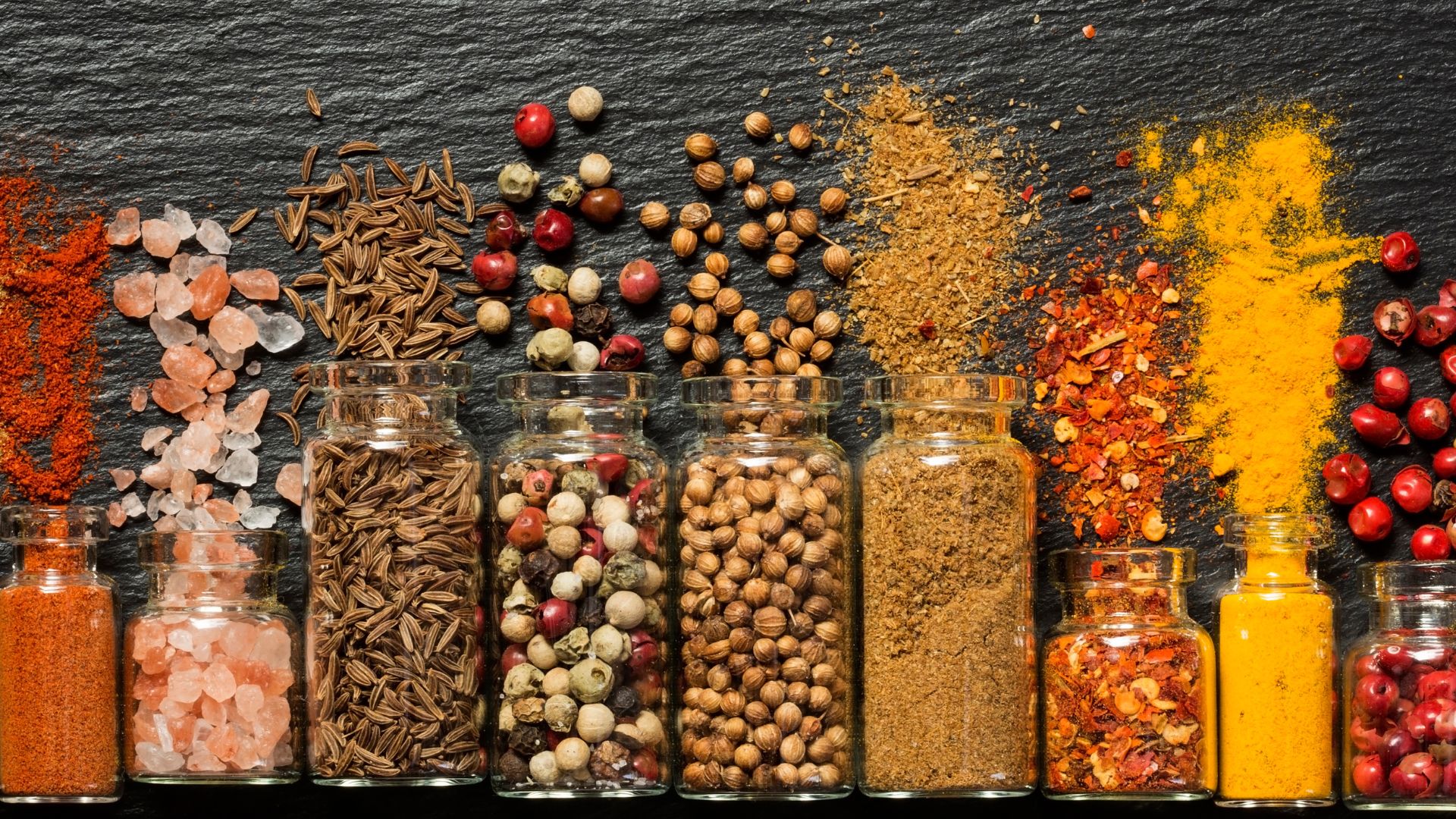
Many essential oils are sensitive to light and break down under sunlight. Packaging with viewing windows or transparent sections is therefore a sign of lower quality. A manufacturer offering premium spices wouldn't package them in light-permeable containers.
3. Check the ingredient list:
A good spice blend contains nothing but spices. Additives like flavor enhancers, preservatives, or fillers (such as salt or sugar) are a warning sign.
Important: These features alone don't guarantee top quality. Even a perfectly packaged tin can contain a lower-grade spice.
Which Spices Belong in Every Kitchen?
Of course, the choice always depends on your own cooking style. But some spices and blends are so versatile that they deserve a mention.
1. Kitchen Spice: Pepper – Endless Variety
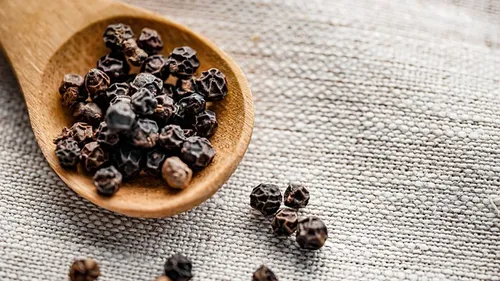
Pepper is arguably the most important spice of all, and yet it's often underestimated. There are hundreds of varieties with very different flavor profiles. Some standout examples:
- Tellicherry pepper: Comes from India and is especially aromatic since it's made from fully ripened red peppercorns rather than green ones, as is typical. Tellicherry pepper is versatile and works well in almost any dish.
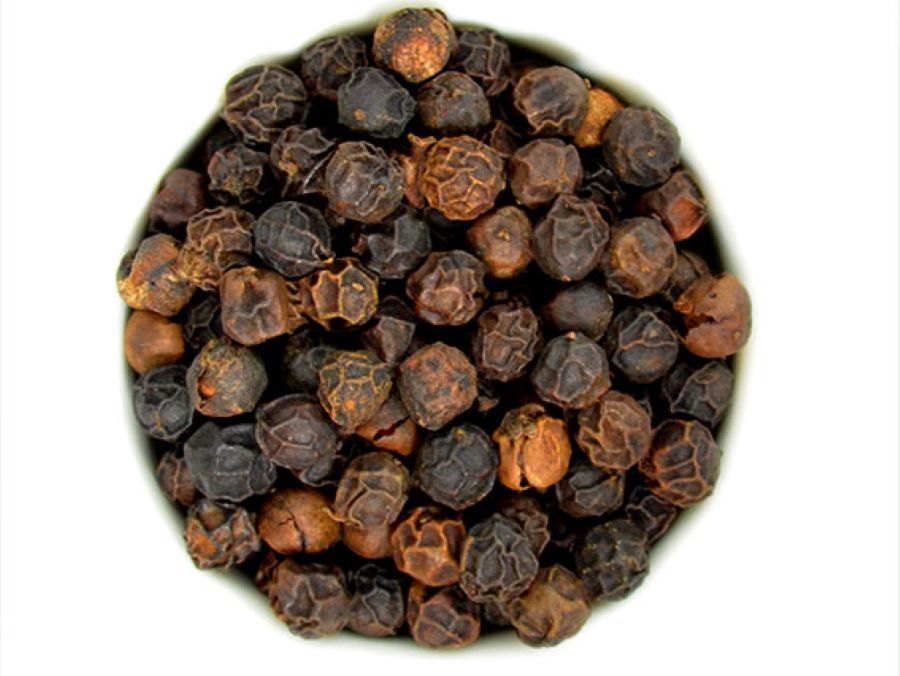
- Timut pepper: Related to Chinese Sichuan pepper, but from Nepal. Its distinct grapefruit aroma makes it something truly special. Pairs wonderfully with Asian dishes, vegetables, salmon, poultry, soups, or tartare.
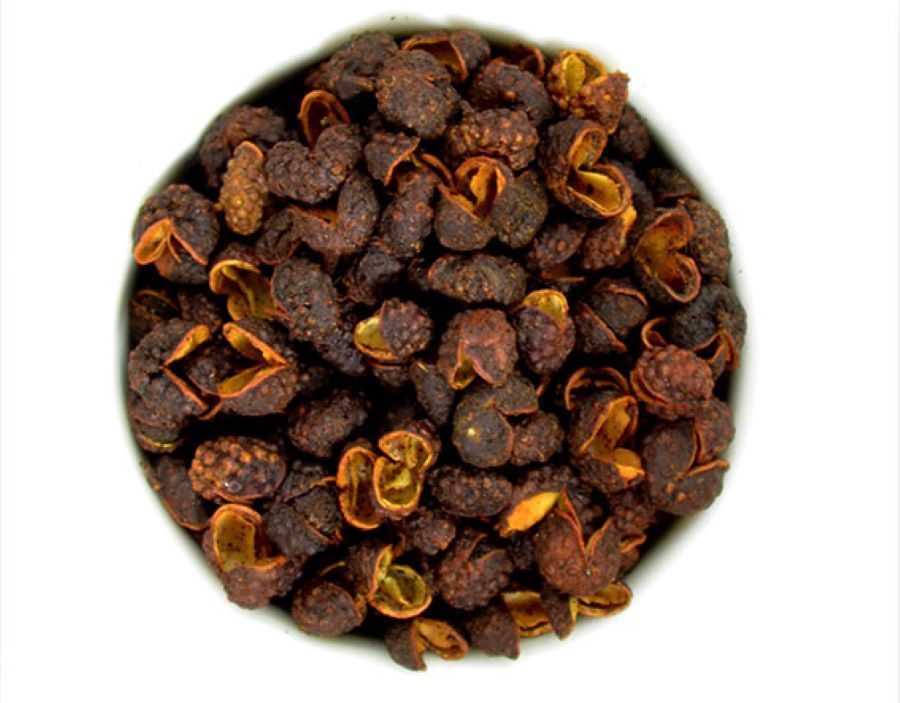
- Red Kampot pepper: A genuine red pepper from Cambodia (not to be confused with pink pepper, which isn't botanically a true pepper). Intensely spicy and fruity at the same time. A delight with beef, game, poultry, but also with chocolate and fruit.
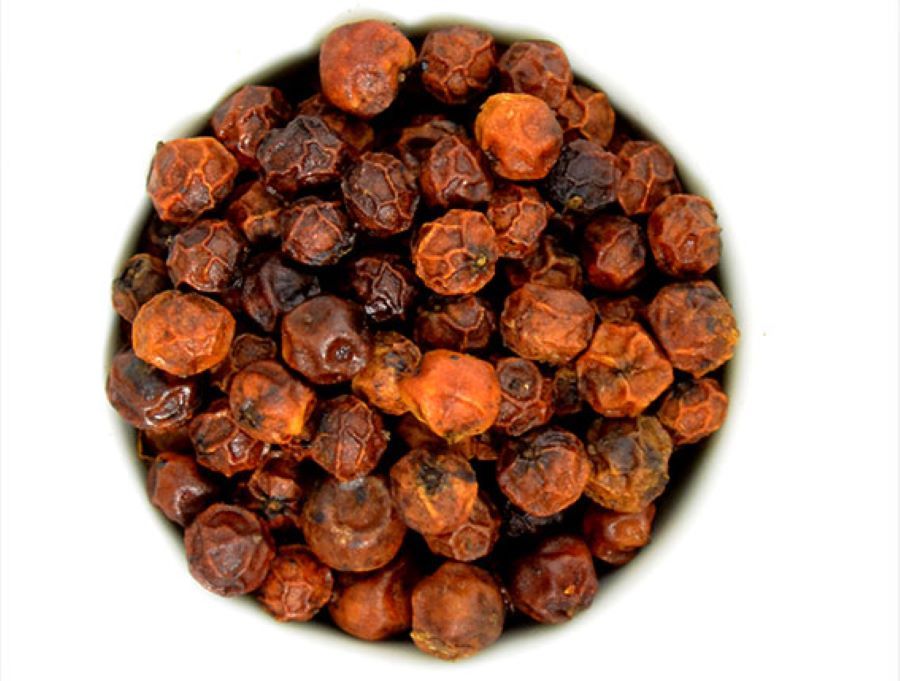
- Chocolate pepper (short long pepper): A lesser-known variant of long pepper. Smaller fruit clusters (1–2 cm instead of 4–5 cm) with an alluring aroma. Chocolate pepper stands out with a bold cocoa note and lingering heat. Ideal for dark meats, game, veal, fatty fish like salmon, and even desserts.
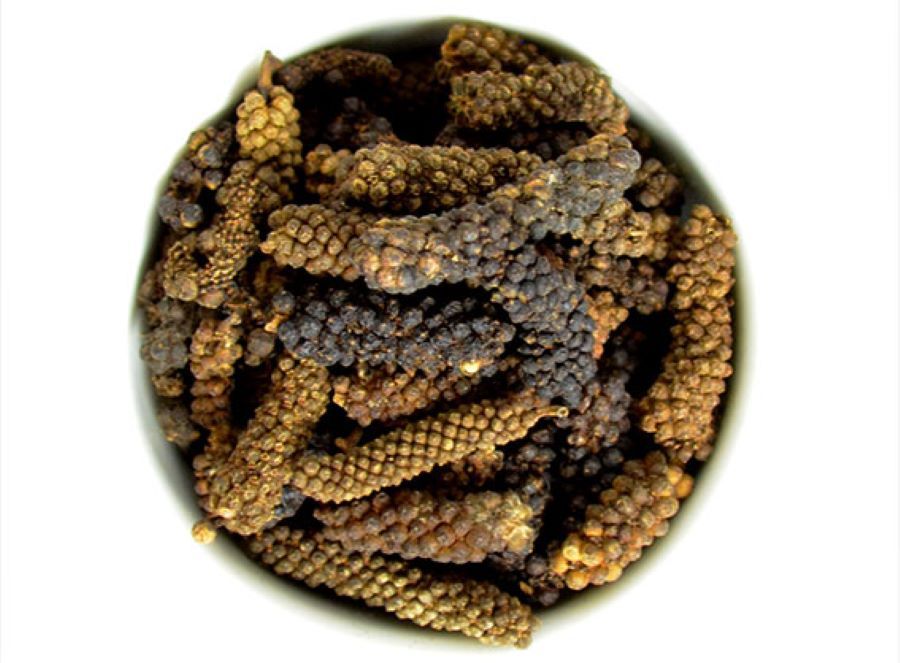
- Sylt pepper blend: An elegant blend that impresses through its combination of various peppers and ingredients. What makes it special: the Sylt pepper blend contains no chili, instead using hot yellow mustard for heat. Versatile for meat, fish, vegetables, and a real highlight in any spice rack.
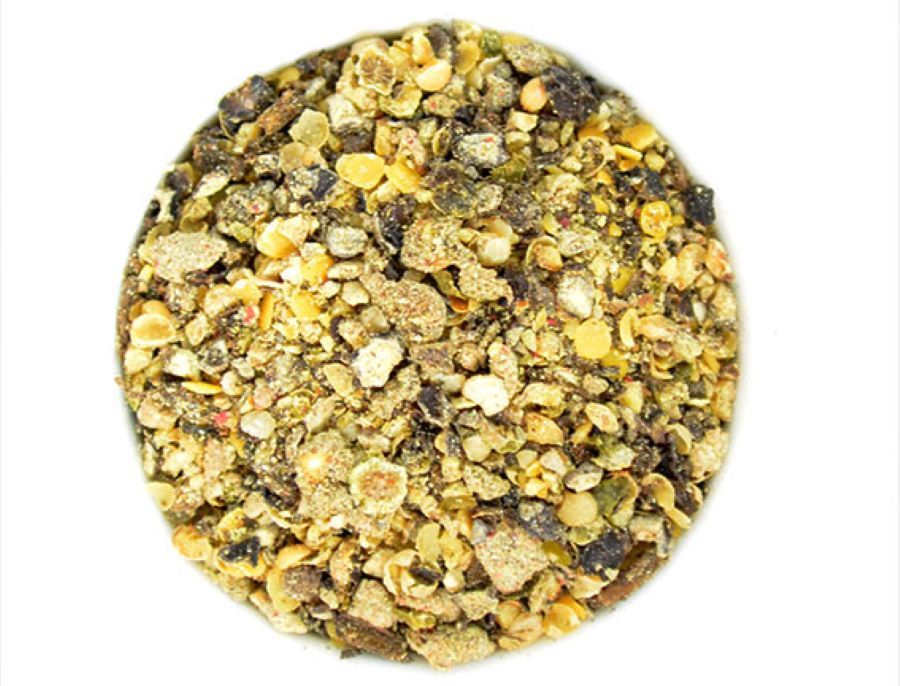

2. Kitchen Spice: Smoked Paprika for Depth and Smoky Flavor
Oak-smoked paprika gives dishes a bold smoky flavor. It adds depth to braised dishes like goulash or roasts, and is also characteristic of Spanish chorizo sausage.
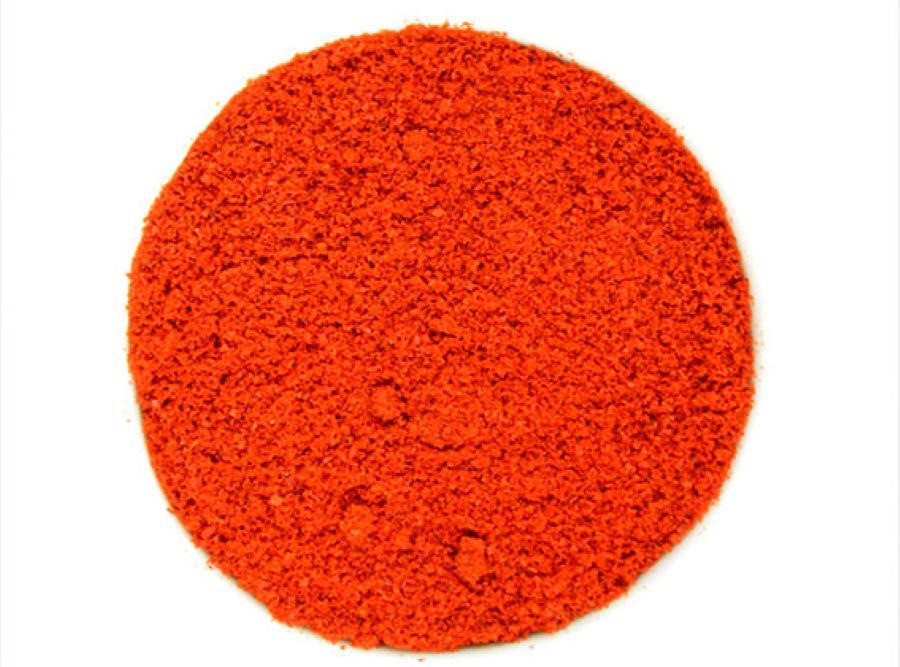
3. Kitchen Spice: Cajun – The Seasoning from Louisiana
Cajun seasoning comes from the Mississippi Delta and is essential in dishes like jambalaya or gumbo. It pairs well with stews containing seafood, shellfish, poultry, and pork. It also works nicely as a dip mixed into quark or cream cheese.
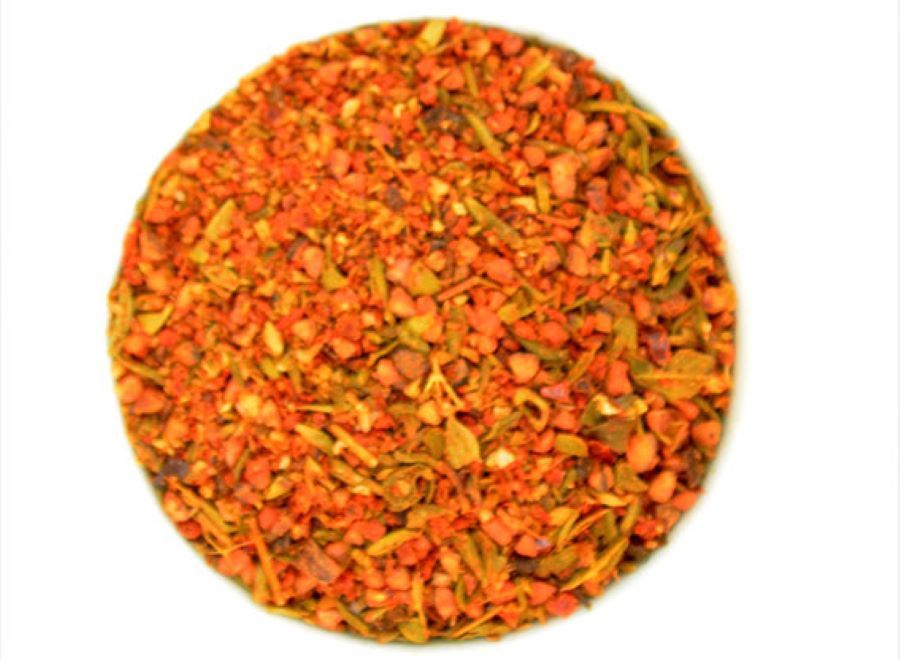
4. Kitchen Spice: Curry for Colorful Variety
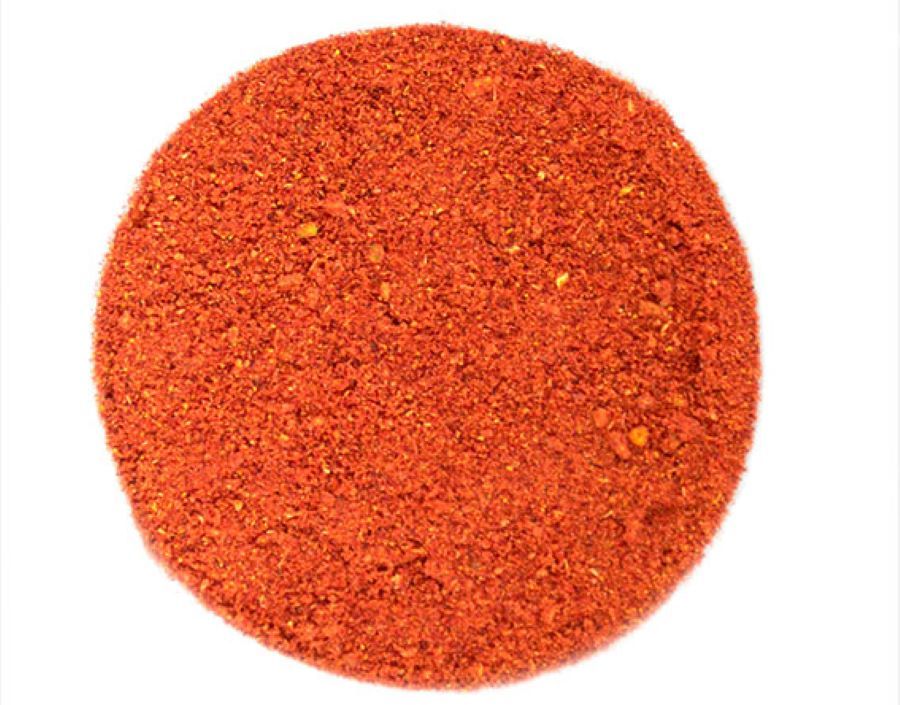
- Beet curry: Pairs wonderfully with coconut milk and gives vegetable, poultry, and fish dishes a fruity-sweet note. Once described by a German magazine as "a dance in your mouth."
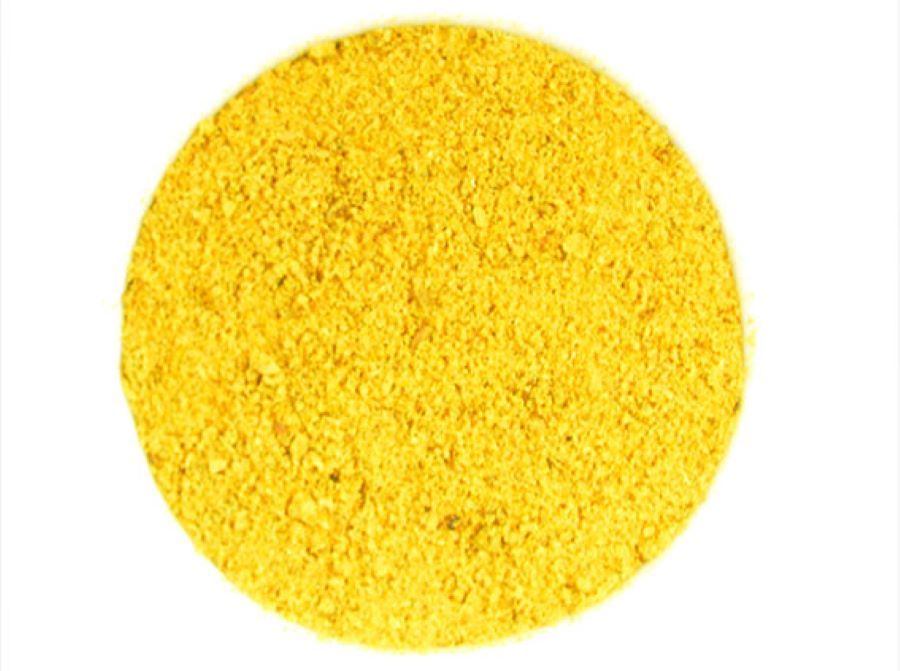
- Banana curry: Velvety, fruity, and deeply aromatic. Especially delicious with rice dishes featuring poultry or vegetables, and also as a sauce with coconut milk.
5. Kitchen Spice: Sumac – The Tangy Highlight
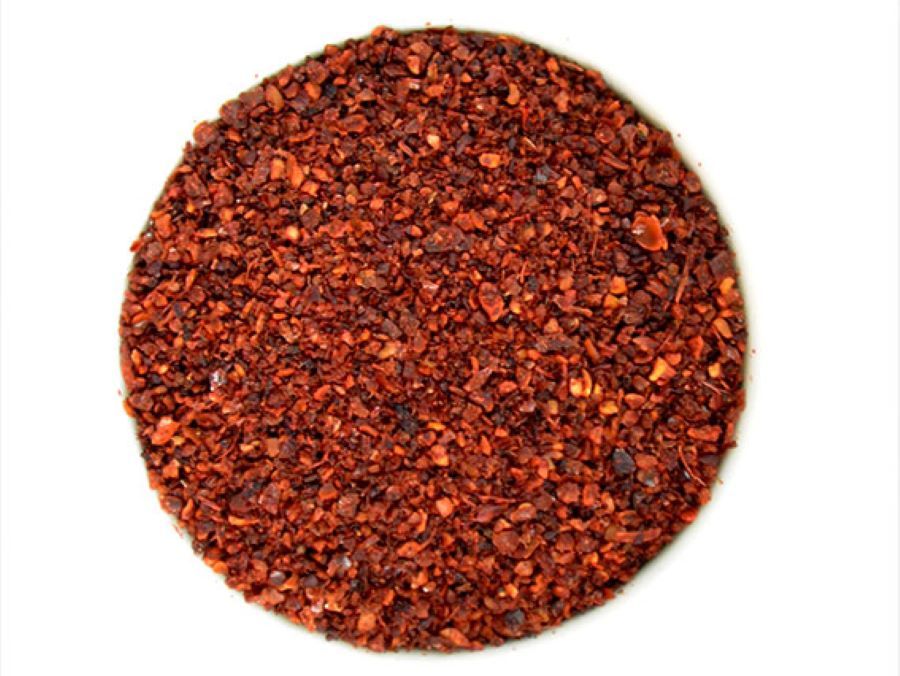
Sumac, also called "vinegar tree spice," mostly comes from Turkey. Its subtly tangy flavor pairs well with salads (like tomato, cucumber, or leafy greens), but also with grilled dishes, rice, or lentil soups.
6. Kitchen Spice: Cumin – The Orient in Your Spice Rack
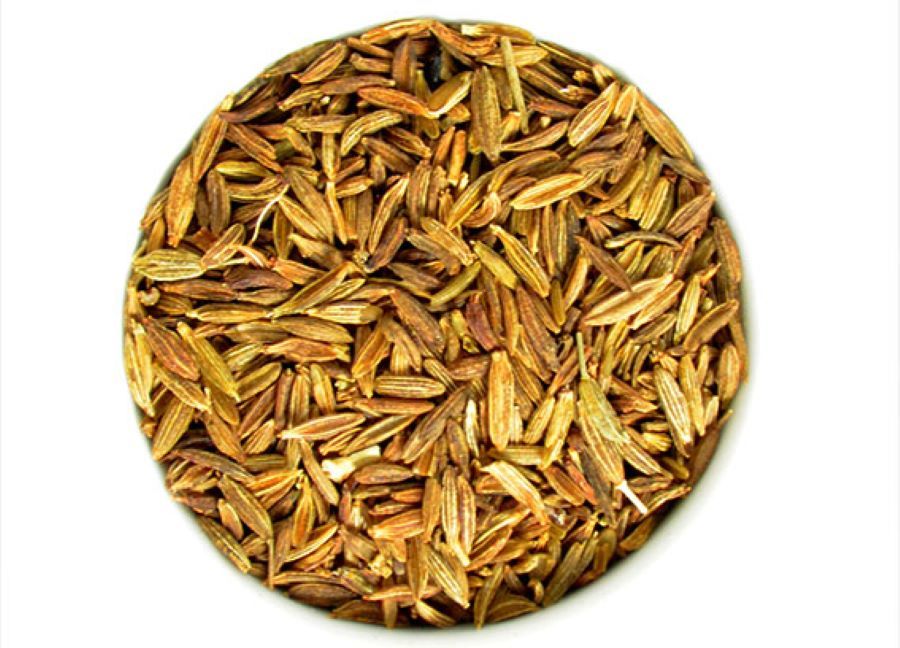
Not to be confused with caraway. Cumin is essential for Middle Eastern and North African flavors.
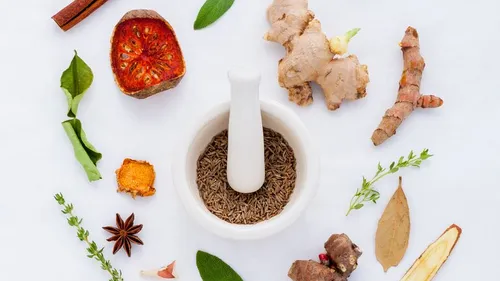
Tip: Always use freshly ground or crushed in a mortar to preserve the full flavor.
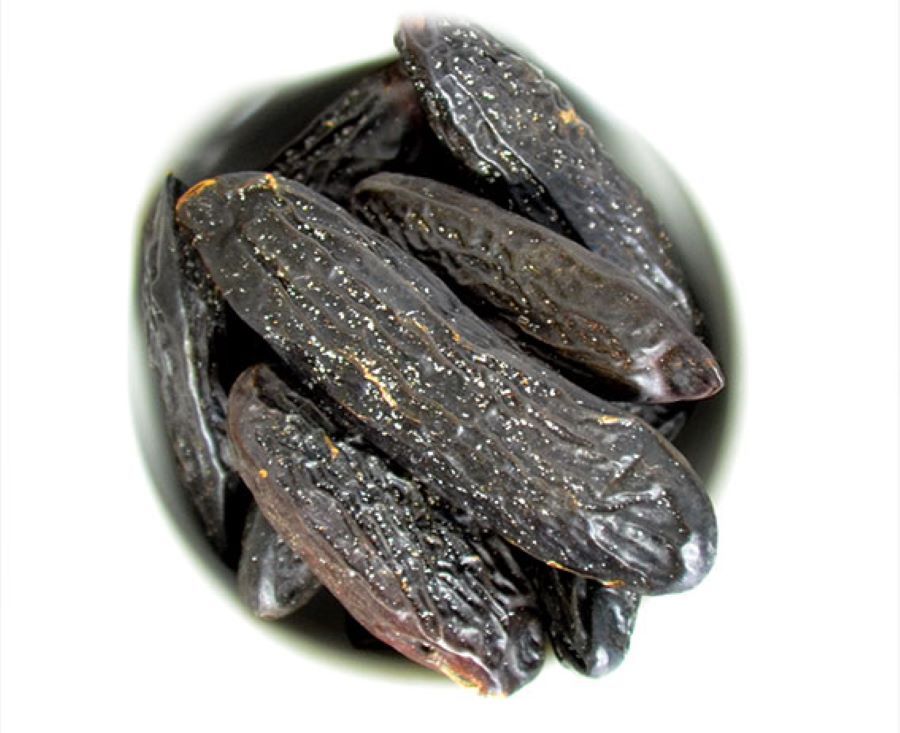
7. Kitchen Spice: Tonka Bean – Vanilla Meets Bitter Almond
An extraordinary spice known for its intense aroma. Perfect for desserts, cakes, or hot chocolate. It can be simmered or finely grated, but use it sparingly, since its flavor is very potent.
What Are the Essential Base Spices?
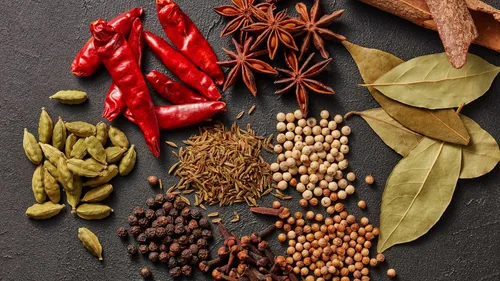
"Base spices" often include bay leaves, cloves, juniper berries, or allspice, ingredients that used to be standard in every kitchen but are rarely used today.
It's worth bringing these base spices back into regular use:
- Bay leaves in rice or potato cooking water add a surprising depth of flavor.
- Cloves or allspice elevate not just braised dishes but also simple side dishes.
- Juniper berries pair beautifully with game, but also with cabbage dishes.
Small tricks like these open up entirely new flavor worlds and let "old" spices shine again.
Whether it's exquisite peppers, exotic curries, or classic kitchen staples, spices are the secret stars of the stove. They determine whether a dish turns out solid or extraordinary. If you pay attention to quality and stock your rack with a mix of trusted basics and exciting specialties, you'll always have the right flavor on hand for any culinary idea.