Action Painting – Everything you need to know about the Jackson Pollock painting technique
Are you interested in art but struggling to find your style? Why not give action painting a try? No prior experience is needed — just unleash your creativity with bold, vibrant colors and leave the stress of everyday life behind. Read on to find out what action painting is, which techniques are involved, and what materials you'll need.
What is Action painting?
By definition, action painting is a style in which liquid paint is applied to a canvas using a variety of materials and methods — it can be dripped, splattered, flung, or poured. What sets action painting apart is that the process of painting itself takes center stage. There is no planning, no predetermined outcome. The sense of what the finished piece might look like only emerges as the work progresses. The whole point is the freedom to create without the pressure of perfection. You could also think of action painting as "art from cans," since it moves away from traditional brushwork — the movement of paint flowing from its container is what drives the art form.
Action painting is:
- An art form that allows tremendous creative freedom
- Chaotic, spontaneous, and unplanned by nature
- Suitable for complete beginners — no precision required
- A perfect fit for creative team-building events

How did Action painting come about?
Action painting also described as pouring or dripping paint is a decidedly modern art movement, originating in America in the early 1950s. One of its most iconic figures was Jackson Pollock, widely regarded as one of the founding artists of the movement. Pollock began laying his canvases flat on the floor and applying paint using a variety of techniques dripping, flicking, and pouring from above. This gave rise to the drip painting technique, which remains popular in action painting today. Jackson Pollock's works and the dripping method continue to inspire countless artists around the world.
So why the shift toward abstract art? Action painters grew increasingly uninterested in depicting realistic landscapes or human figures. A key driver was the rapid advancement of photography and film, technology that could capture reality in far more detail than any brushstroke. For many artists, there was simply no point competing with a camera.
The answer was to focus on what images could evoke in people rather than what they depicted. Outward appearances became less important; abstract shapes and structures took on new significance. To this day, action painting is about channeling emotions through the creative process surrendering to feeling while painting rather than chasing a polished final result.

How does action painting work?
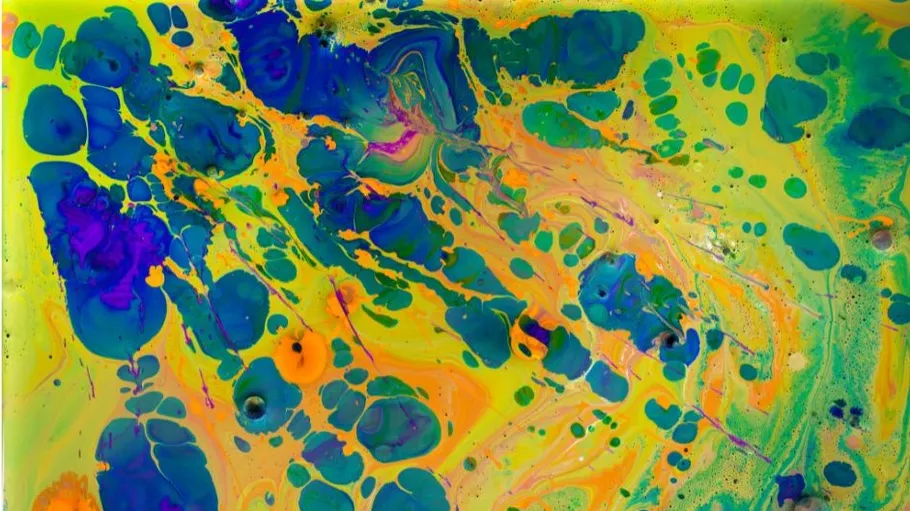
In action painting, liquid paint is applied to the canvas in various ways—thrown, splashed, or poured. A container suspended by a string can also be used to apply paint to the canvas.
Action painting techniques and goals
In action painting, the paint is applied to the canvas through a range of physical methods. You can fling, spray, or simply pour the paint. Another popular technique involves suspending a paint-filled container from a string and swinging it above the canvas. These diverse approaches allow artists to tap into their creativity and produce truly unique works dynamic, energetic paintings that capture the spontaneity of the creative act.
Splash it, pour it, throw it whatever feels right in the moment. It's worth experimenting, because action painting is endlessly adaptable.
Action Painting Techniques | -Goals of Action Painting- |
|---|---|
Splashing paint | Immersing oneself in the painting process |
Flinging paint | Full creative expression |
Pouring paint | Creating abstract structures and forms |

What materials do you need for Action painting?
As spontaneous and chaotic as action painting can be, a little preparation goes a long way — unless you want your surroundings to look like a war zone. Of course, you can always learn the technique in a guided action painting workshop, where professionals show you the ropes.
Here's what you'll need:
- Paint: Fluid acrylic paints work best, in a range of colors.
- Canvas: A canvas or paper surface in the size of your choice.
- Protective clothing: Wear clothes you don't mind ruining, or put on an apron to protect yourself.
- Tools: A toothbrush, a sponge, a string-suspended container for dripping paint, and any other objects you can use to get paint onto the canvas.
A few creative ideas to get you started:
- Toothbrush technique: Dip a toothbrush in liquid paint and flick it at the canvas to create interesting splatter effects and textures.
- Sponge technique: Apply paint to a sponge and press it gently onto the canvas to create abstract patterns and structures.
If you're interested in action painting, then our Action Painting Workshop is just the thing for you! In our workshop, you can learn the basics of action painting and bring your own creative ideas to life. Get started now and have your own action painting experience.

Art from Cans: A Guide
Before you start your artwork, you should mix the acrylic or gouache paints with water to thin them out. This will allow you to apply the paint evenly to the canvas, and it will be fluid enough to throw, splatter, and pour. You can also make your own pouring paints by mixing acrylic paints with pouring medium. The pouring medium ensures that the paint has the optimal consistency for pouring and flows evenly across the canvas. Pouring is a fascinating technique in which paint is poured onto the canvas in several layers to achieve beautiful marbling and flowing effects.
You can use all other materials however you like. You can use the straws to blow the paint in a specific direction or wipe over certain areas with the sponges. For your action painting, you can also fill water balloons with paint and then throw them against the canvas, or use the wooden sticks for painting to add more texture to your picture. What your action painting artwork should look like in the end is entirely up to you. The most important thing is: let your creativity run wild and just let yourself go while painting.