
Table of contents
- 1. What Is Natural Cosmetics?
- 2. What Makes Natural Cosmetics Special?
- 3. What Are the Benefits of Natural Cosmetics?
- 4. Does Natural Cosmetics Have Any Downsides?
- 5. Is Natural Cosmetics Better Than Regular Cosmetics?
- 6. What Types of Natural Cosmetics Exist, and What Are Typical Natural Cosmetics Ingredients?
- 7. What's Not Allowed in Natural Cosmetics?
- 8. What Should I Look for in Natural Cosmetics – How Do I Recognize Quality?
- 9. Which Natural Cosmetics Is the Best?

Karen Rose
Partner and writer
What Is Natural Cosmetics – Key Takeaways
- The term "natural cosmetics" isn't legally protected – so look for recognized certifications like COSMOS or NATRUE.
- Certified natural cosmetics avoids parabens, silicones, PEGs, and petroleum derivatives.
- Natural cosmetics isn't automatically organic cosmetics – organic cosmetics has a higher share of organic ingredients.
- The most sustainable option is homemade natural cosmetics – learn how in my workshops.
When shopping, we're met with countless claims on cosmetic packaging today, like "100% natural cosmetics," "natural ingredients," "green cosmetics," and more. In this article, learn what's really behind these claims. We'll also answer: what is natural cosmetics? How sustainable is natural cosmetics, and what should you watch out for?
Stay up to date.Be the first to learn about the latest sustainability trends. Save €5 on your next cosmetics class.


What Is Natural Cosmetics?
Cosmetics includes any products for body and beauty care, like shampoo, shower gel, soap, deodorant, face cream, body lotion, or even sunscreen. Makeup can also be considered decorative cosmetics.
Natural Cosmetics Definition:
The terms "natural cosmetics" or "organic cosmetics" aren't legally protected. As a result, there's no unified, legally protected definition for the term "natural cosmetics." Many cosmetics manufacturers take advantage of this by using the term "natural cosmetics" and advertising claims like "100% natural ingredients," something consumer protection agencies also warn against.
That's why it's essential to look for recognized natural cosmetics certifications when buying cosmetics. Certified natural cosmetics, depending on the certification, only contain approved ingredients. But you can also easily make your own natural cosmetics. In my natural cosmetics workshop, you'll learn how.
Depending on the certification, certified natural cosmetics avoid synthetic ingredients that are sometimes found in conventional cosmetics. These include things like parabens, synthetic fragrances, certain preservatives, petroleum, paraffins, and silicones.
The infographic below shows the most important natural cosmetics certifications:

What Makes Natural Cosmetics Special?
Manufacturers of certified natural cosmetics must comply with the standards set by natural cosmetics certifications, which go beyond the legal requirements for cosmetics. The following rules apply to the common natural cosmetics certifications:
- Natural cosmetics raw materials: natural raw materials like plant oils may be modified through specific, approved chemical reactions.
- Prohibited ingredients: only a very small number of chemically produced substances, like certain pigments and nature-identical preservatives, are permitted.
- Animal testing: stricter bans on animal testing apply than what's legally required.
- Organic raw materials: depending on the certification, at least a portion of the ingredients must come from organic farming. In the ingredient list of natural cosmetics, organic ingredients are often specifically marked, for example with an asterisk.
What's the Difference Between Natural Cosmetics and Organic Cosmetics?
Most natural cosmetics further distinguish between natural cosmetics and organic cosmetics. Here's how it breaks down:
- Natural cosmetics isn't the same as organic cosmetics
- Certified natural cosmetics contains a portion of organic ingredients
- Organic cosmetics consists of at least 95% plant-based ingredients, with at least 10% certified organic raw materials
- With NATRUE, you can check a database to see whether a natural cosmetics product is natural cosmetics, natural cosmetics with an organic portion, or organic cosmetics. With the COSMOS standard, the organic percentage of natural cosmetics is often listed directly.

What Are the Benefits of Natural Cosmetics?
Using natural cosmetics comes with several benefits:
- As mentioned above, most ingredients in natural cosmetics products come from nature and are therefore biodegradable.
- This means they cause less harm to nature than conventionally manufactured products made with petroleum derivatives, complex chemically produced ingredients, and plant-based components sourced from large monocultures where pesticides and chemical fertilizers, both destructive to nature, are commonly used.
- The ingredients in natural cosmetics are also significantly better for our skin.
- Thanks to the guidelines behind natural cosmetics certifications, it's much easier to trace exactly which raw materials are in a product, how it was made, and sometimes even where it came from.
Does Natural Cosmetics Have Any Downsides?
Compared to conventional cosmetics, natural cosmetics really has no downsides.
What could be considered a downside: just because a product is labeled "natural cosmetics" doesn't automatically mean it's 100% sustainable or entirely good for your skin. Since the term isn't legally protected, caution is warranted here!
Is Natural Cosmetics Better Than Regular Cosmetics?
Natural cosmetics is definitely better than conventional cosmetics. The legal regulations for conventional cosmetics are far too lenient, which allows allergens and skin-damaging substances to be used as ingredients.
On top of that, non-biodegradable substances are harmful to the environment. Conventional monocultures used for the mass production of plant oils like palm oil or coconut oil are highly damaging to biodiversity and our environment. That means conventional cosmetics can be bad not just for you and your skin, but also for our planet.
How Sustainable Is Natural Cosmetics?
How sustainable natural cosmetics is really depends on the specific certification. The more organically grown ingredients, and generally the fewer highly processed ingredients, the more sustainable it is. The most sustainable option is making your own natural cosmetics, which also produces the least amount of packaging waste. Give it a try!
What Types of Natural Cosmetics Exist, and What Are Typical Natural Cosmetics Ingredients?
The range of natural cosmetics products has grown enormously in recent years. Beyond natural cosmetics shampoo, there's soap, lotions, face creams, natural cosmetics deodorant, and much more. Unfortunately, there's also a lot of greenwashing happening here. Green cardboard packaging and labels like "climate neutral" confuse customers and create a false impression of sustainability where there is none.
Small brands with recognized natural cosmetics certifications, offering a limited product range, are preferable here, though they naturally come with a higher price tag.
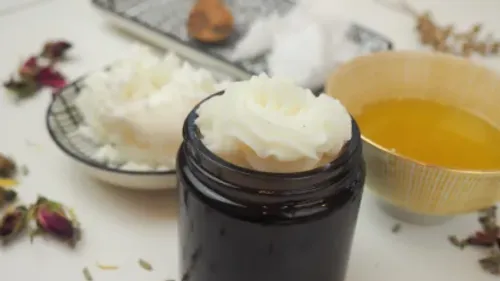
The simplest approach is to get hands-on yourself and make some basic natural cosmetics products at home.
Only then can you be sure of what's actually in the product and truly tailor it to your own needs.
Tip: want to learn how to make your own natural cosmetics? In my natural cosmetics workshops, I'll show you how. Together, we'll make shampoo, deodorant, and a healing salve in a sustainable way.
Good Natural Cosmetics Ingredients Include, for Example:
- High-quality plant oils or butters: cocoa butter, shea butter, olive oil
- Baking soda
- Sustainably sourced beeswax
- Essential oils

What's Not Allowed in Natural Cosmetics?
Each natural cosmetics certification has different rules regarding ingredients. The following ingredients are prohibited in certified natural cosmetics:
- Petroleum-based ingredients
- Silicones and PEGs (polyethylene glycols: substances often used in conventional cosmetics products as emulsifiers or foam-forming agents)
- Many substances harmful to the environment and health are banned in certified natural cosmetics, including mineral-oil-based microplastics and many preservatives.
- Only mineral sunscreen filters are permitted, though nanoparticles in these pigments aren't currently banned.
What Should I Look for in Natural Cosmetics – How Do I Recognize Quality?
When buying natural cosmetics, always look for recognized certifications. The natural cosmetics certifications with the strictest regulations are: COSMOS and NATRUE.

Which Natural Cosmetics Is the Best?
The natural cosmetics you make yourself is, at the same time, the best natural cosmetics. That's the only way you'll know exactly what ingredients are in it and decide for yourself what goes into your own products. A few guidelines to help you find good natural cosmetics:
- Ideally, your natural cosmetics should contain no water, and therefore no need for preservatives
- The fewer ingredients you use to make your own natural cosmetics, the better
- The more local these cosmetic ingredients are, the better.
Every product you don't need, and therefore don't have to make, is also a good product! :)
Note: want to learn more about natural cosmetics? Feel free to join one of my natural cosmetics workshops. I'll show you step by step just how simple it is to make your own natural cosmetics, and of course, you can ask me all your questions.

What Is Natural Cosmetics – FAQ
Discover classes of Karen Rose







Box