Table of contents
- 1. What Is Upcycling?
- 2. What's the Difference Between Upcycling and Recycling?
- 3. What's the Difference Between Upcycling and Downcycling?
- 4. Why Is Upcycling Worthwhile?
- 5. Upcycling Ideas: What Can You Upcycle?
- 6. When Does Upcycling Make Sense, and When Doesn't It?
- 7. Conclusion: Upcycling Lets You Create Amazing One-of-a-Kind Pieces

Janina Theiß
Partner and writer
Upcycling – The Basics:
- What is upcycling? With upcycling, the motto is: turn old into new. Old items get upgraded and given a new use.
- Upcycling vs. recycling: with upcycling, an item is given a new use; with recycling, the item retains its original function after being reprocessed.
- The purpose of upcycling: upcycling prevents old items from being thrown away, giving objects a renewed purpose.
- Materials suited for upcycling: in principle, you can use anything that can be reworked: glass, wood, textiles, paper, and much more.
Looking for your next DIY idea but don't want to buy new materials or items for it? Then we've got the perfect solution for you: upcycling. But what exactly is upcycling? With this DIY method, you can bring new ideas to life using things you already have at home. If you're not quite sure what this term means yet, you'll learn here exactly what falls under the definition of upcycling and what you can actually upcycle. Along the way, you'll discover a few upcycling ideas too. Discover {nrEvents} creative classes in Germany and Austria.
Inspiration for youSign up for the newsletter and receive tips for great experiences near you. As a thank you, you will receive a €5 gift card.


What Is Upcycling?
 Photo: © Janina Theiß
What does upcycling actually mean? With upcycling, an item you no longer need gets a second chance at life. It's upgraded, both in function and appearance. Through this process of "upgrading," the item is repurposed for a different use than what it was originally intended for. In short: upcycling transforms old things into something new and gives them a fresh look!
How Does Upcycling Work?
Upcycling is an exciting process where you give old or unused items a new, more valuable purpose. Through creativity and skilled handiwork, you give them a fresh look and increase their value. There's really no limit to your imagination with upcycling, you can create something unique from all kinds of materials and objects.
What Are Some Examples of Upcycling?
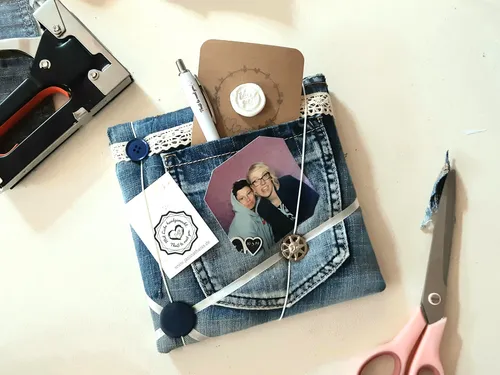
With upcycling, the possibilities are endless. Take a look around your home and think about which items you're no longer using. You can turn them into something new and useful. Examples of upcycling include furniture, clothing, bottles, packaging, books, lamps, and much more. Upcycling furniture and clothing is especially popular. One creative example is a memo board you can make yourself out of old jeans and other textiles. What matters most is having fun designing with your own items.
What's the Difference Between Upcycling and Recycling?
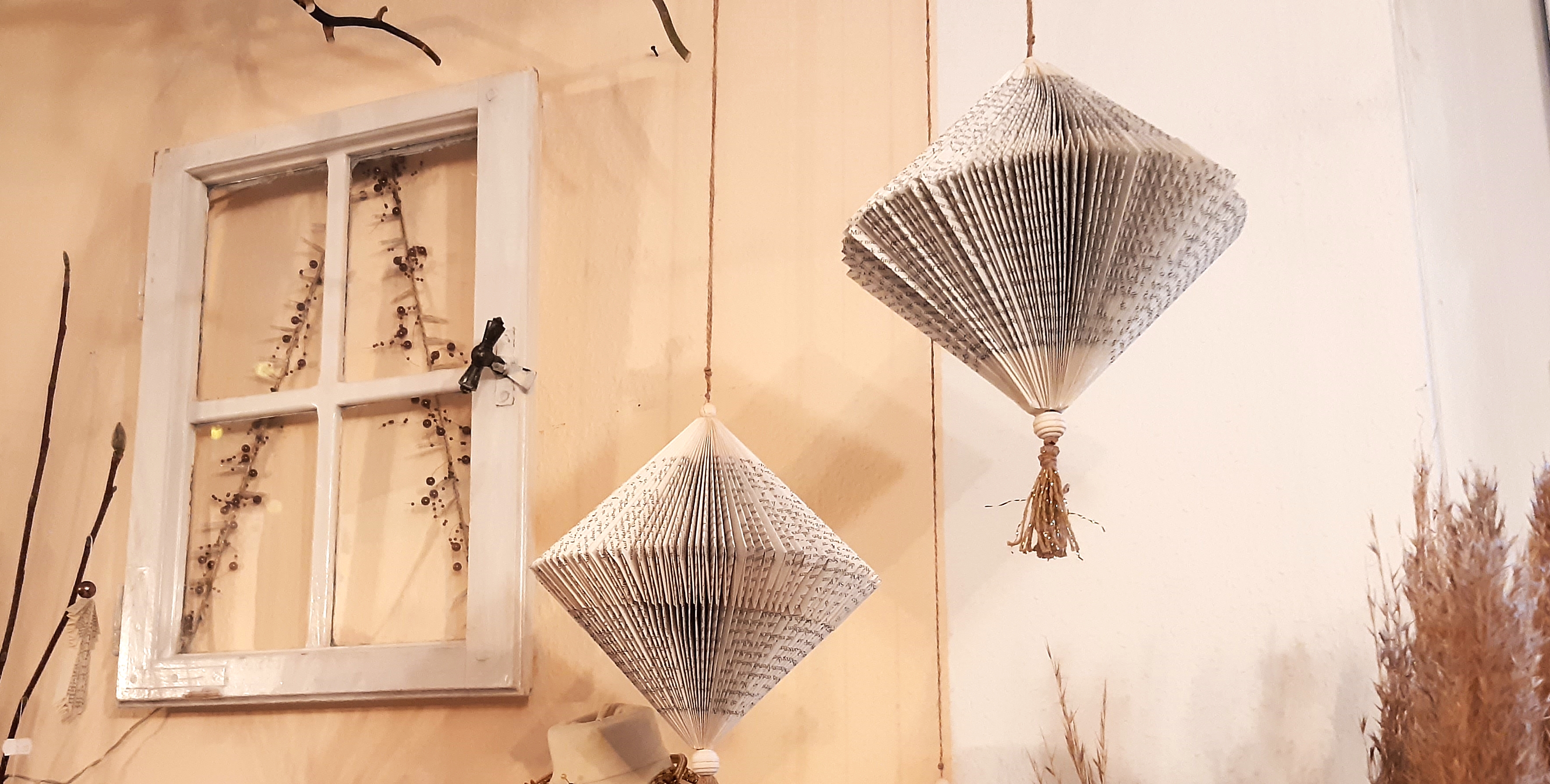
With upcycling, an existing product is upgraded by giving it a new use, while the material itself largely stays unchanged. A bottle can be turned into a bottle lamp, or the pages of a book can become a paper ornament for your home. Upcycling therefore takes a creative approach to save valuable resources and support sustainable practices. Recycling, on the other hand, involves breaking materials down to produce entirely new products.
The difference is that recycling reuses materials to create something new, while upcycling gives existing objects a new purpose. Both approaches are sustainable and help reduce waste and protect the environment.
Difference Between Upcycling and Recycling
Upcycling | Recycling |
|---|---|
Upgrading an item | The item is broken down and reprocessed |
Repurposing for a new function | Same function retained |
Often used for DIY ideas | Usually an industrial process |
What's the Difference Between Upcycling and Downcycling?
With upcycling, used items and waste products are transformed into new products without breaking them down first. This creates creative solutions for reusing materials directly and reducing waste. Upcycling offers a sustainable way to conserve resources while also creating creative, unique products. In contrast, downcycling involves breaking materials down and reusing them to create lower-quality products.
Why Is Upcycling Worthwhile?
Broken or worn-out items usually end up in the trash. Through repurposing, or upgrading, upcycling can save them from that fate. Upcycling extends an item's lifecycle, which in turn saves resources and reduces waste. Last but not least, upcycled products are often handmade, making them individual, one-of-a-kind pieces that push back against mass production and overproduction.

Upcycling – Pros and Cons at a Glance:
Pros of Upcycling | Cons of Upcycling |
|---|---|
You're doing something good for the environment | Upcycling projects take time and skill in crafting and design |
You get to fully embrace your creative side with your own upcycling ideas | Finding the right materials for your upcycling ideas can sometimes be tricky |
Turn old into new: you give unused items a new life | Upcycled products may not offer the same functionality as the original items |
With upcycled products, you own truly one-of-a-kind pieces | Not everyone loves the rustic or individual style of upcycled products |
It's a great option for creative gift ideas | The quality of materials and craftsmanship can affect how long upcycled products last |
Is Upcycling Really Sustainable?
Unlike other recycling methods, upcycling upgrades an existing product without significantly altering the raw material. By avoiding industrial processes and focusing on handcrafted work, valuable energy is saved. This makes upcycling an environmentally friendly, sustainable solution for reusing materials.
Upcycling Ideas: What Can You Upcycle?
 Photo: © Janina Theiß
Take a look around your home and think about which items you're no longer using. Let your creativity run wild and consider how you could turn these items into something new and useful. This could include various upcycling examples like:
- Furniture: discover creative ways to upgrade or transform old furniture into unique, sustainable pieces for your home.
- Clothing: find out how to turn old clothing into new fashionable pieces or accessories.
- Cans: get inspired by creative ideas for turning empty cans into practical, stylish items.
- Packaging: learn creative ways to transform used packaging like boxes or paper bags into useful, visually appealing objects.
- Books: discover fascinating ways to give old books a new purpose.
- Lamps: get inspired by upcycling ideas for lamps to make your lighting eco-friendly and stylish.
- and much more.
There's really no limit to what you can do with upcycling. You can essentially use anything you have at home. Upcycling furniture and upcycling clothing are especially popular. For example, you could join an upcycling class to make your own memo board from jeans and other textiles. What matters most is having fun while creating with your own items.
What Materials Are Good for Upcycling?
- Textiles
- Glass
- Wood
- Metal
- Paper
- Concrete
If the material or item allows for it, almost anything can become something new through upcycling. Just give it a try and bring your best upcycling ideas to life.
When Does Upcycling Make Sense, and When Doesn't It?
 Photo: © Janina Theiß
Upcycling makes sense when you're not using more new materials than old ones. Of course, it should also serve a purpose, meaning it should be useful to someone. It doesn't matter whether that use is practical or emotional.

Conclusion: Upcycling Lets You Create Amazing One-of-a-Kind Pieces
With upcycling, you not only get to create new pieces from old things, but you also produce less waste, doing something good for the environment along the way. There are plenty of upcycling ideas out there, so you're sure to find something inspiring to craft. We're definitely fans of this method, and we're confident upcycling will play an even bigger role in the years to come.

Upcycling – FAQ
Discover classes of Janina Theiß