- Using natural ingredients like oils, butters, and lye, you can make nourishing, solid soaps yourself quite easily.
- The process takes around two hours — after that, the soap bars need to cure for 4 to 6 weeks.
- For beginners, the Melt & Pour method is ideal: you melt a ready-made soap base and add your own creative touches.
- Safety first: working with sodium hydroxide (NaOH) requires care and good preparation.
- Ready to get started? In my soap-making workshop in Munich you'll learn everything about making soap — including instructions, equipment, and a great atmosphere.
Making your own soap at home is a wonderful DIY project: you decide what goes in, can creatively choose the scent, colour, and shape — and end up with a completely individual, sustainable product.
How to Make Soap at Home – Cold Process Recipe
If you want to make soap yourself using the Cold Process method, you only need a few high-quality ingredients. Here is a simple, nourishing homemade soap recipe:
Soap Ingredients (for approx. 1 kg of soap):
- Olive oil – 245 g
- Coconut oil – 175 g
- Shea butter – 70 g
- Cocoa butter – 70 g
- Avocado oil – 105 g
- Castor oil – 35 g
- Distilled water – 266 g
- Sodium hydroxide (NaOH/lye) – 97.18 g
- Optional: essential oils, colourants, flowers, clay
This DIY soap recipe combines nourishing oils and solid butters — ideal for a caring, creamy natural soap.

How to Make Soap – Step-by-Step Instructions:
- Weigh out the fats and oils and melt them slowly.
- Make the lye: carefully add NaOH to the water (never the other way around!) and let it cool.
- Allow both mixtures to cool to approx. 35–40°C.
- Add the lye to the oils and blend with a stick blender until the mixture thickens (trace).
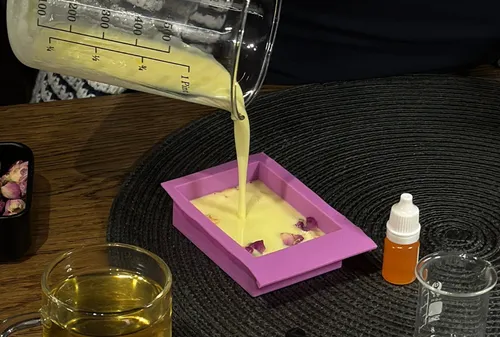
- Stir in fragrance, colour, or decoration.
- Pour the soap into the mould, insulate, and let it harden for 24–48 hours.

7. Then cut the soap into bars and let it cure for four to six weeks.

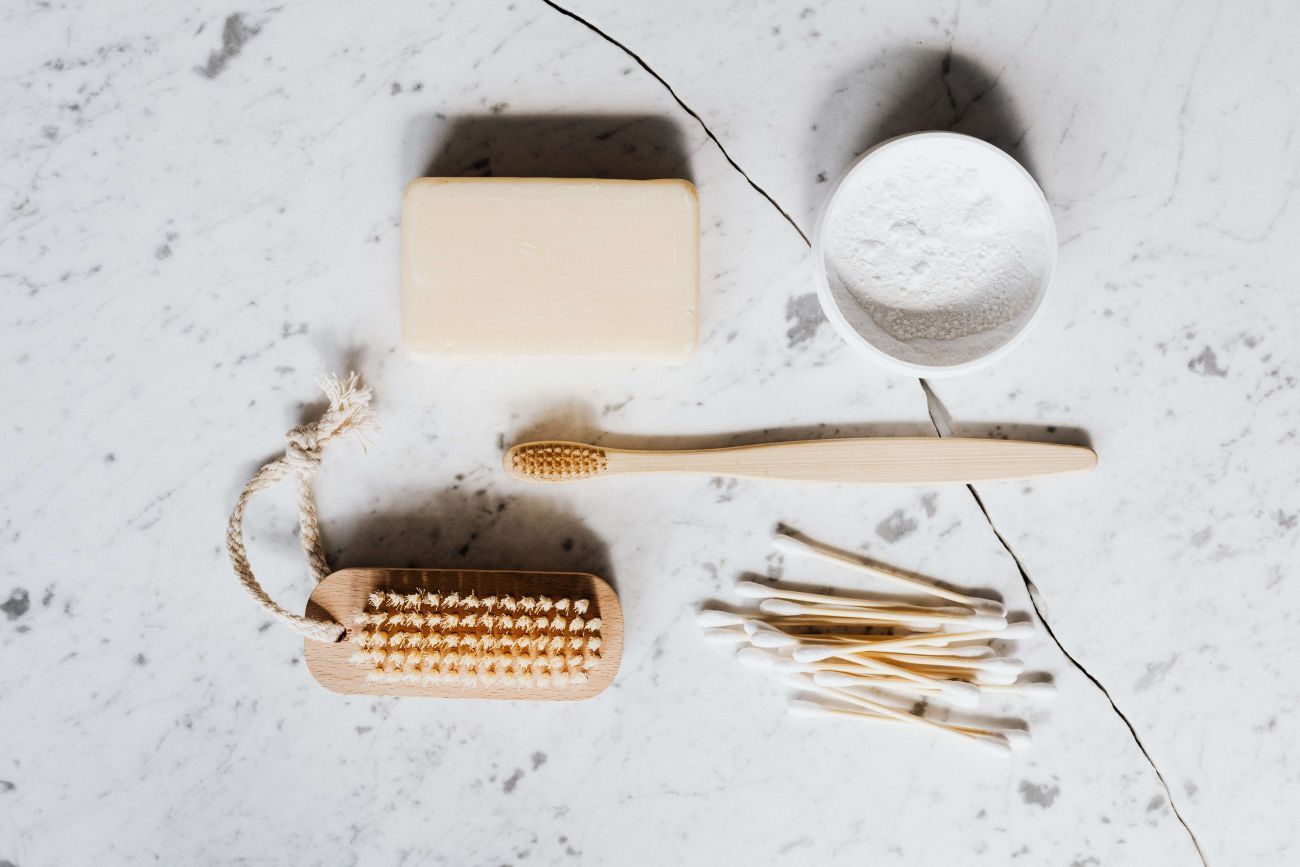
How Long Does It Take to Make Soap at Home?
Making your own soap takes about two hours. However, the soap should then harden for 24–48 hours before you cut it into bars and let it cure for four to six weeks.
In my workshop, where we pour soaps together, I explain exactly how to get started, what you need, and how to use a soap calculator to plan your own recipes safely. The actual making of the soap goes quickly — the preparation usually takes longer than the mixing.

Tips for Making Homemade Soap
- Working with lye (NaOH) requires care — I'll show you in the class how to handle lye safely.
- After making, the soap should cure for 4–6 weeks.
- Prepare all ingredients and tools well in advance — this reduces stress during the soap-making process.
- Making cold process soap from scratch seems too complicated? Try Melt & Pour soap: you melt a ready-made base, add colour and fragrance, and you're done. Perfect for beginners!

Learn Soap Making at SOFIA.SHIK – Workshop in Munich
At SOFIA.SHIK you can learn both soap-making methods hands-on:
- Melt & Pour Workshop: Learn how to pour and customise your own soap.
- Cold Process Workshop: Learn how to make soap from scratch using natural oils and lye.
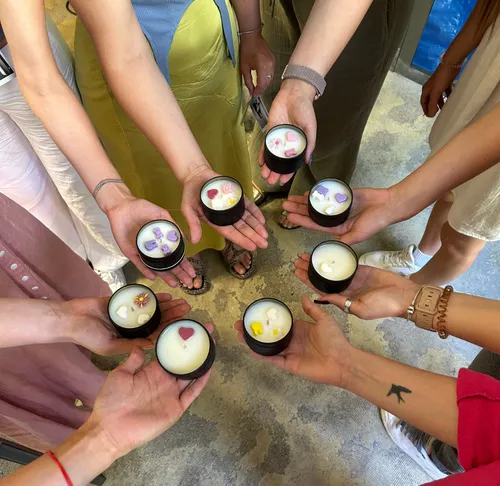
I explain everything clearly and step by step. Equipment and ingredients are provided, and you'll leave with everything you need to carry on safely at home. All of this in a cosy atmosphere — with snacks, drinks, and plenty of inspiration!
If you want to make your own soap but don't know where to start — join my soap-making workshop and I'll walk you through everything at a relaxed pace.