Table of contents
- 1. How to make scented candles – step by step
- 2. Can you turn a regular candle into a scented candle?
- 3. Fragrance for candle making: Which fragrance oils work best?
- 4. How many drops of essential oil should you add to a candle?
- 5. Why doesn't my homemade scented candle smell?
- 6. Which wax is best for scented candles?

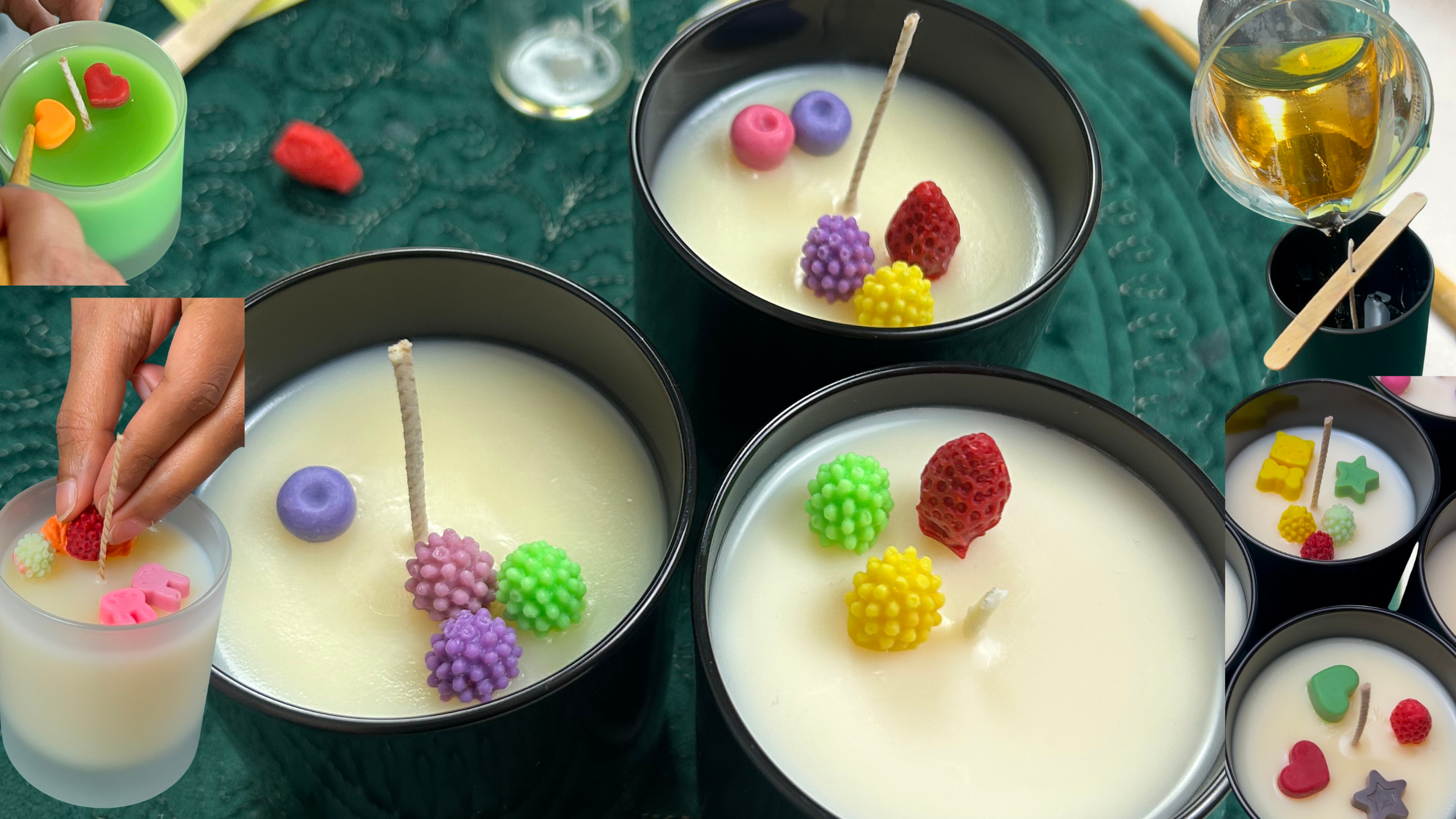
- Making scented candles requires few materials and a little patience.
- Fragrance oils and wax are the most important materials for candle making.
- The dosage of fragrance oils depends on the desired intensity.
- Essential oils offer natural scents and aromatherapeutic benefits.
- Choosing the right wax is key to the quality of your scented candles.
Making scented candles is a wonderful way to bring beautiful aromas into your home. DIY scented candles are surprisingly easy to create and give you the freedom to express your creativity. In this guide, you'll discover how to make your own scented candles with just a few materials and some patience.
How to make scented candles – step by step
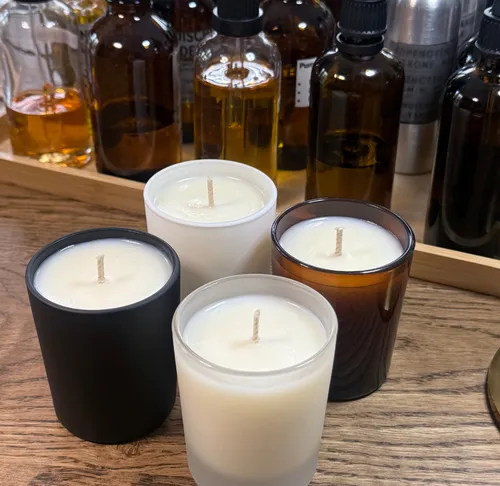
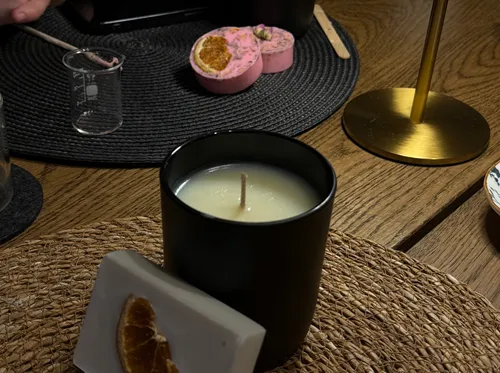
If you want to make a scented candle in a glass, start by thoroughly cleaning a glass container. Pour the melted wax together with your chosen fragrance oil into the container. Carefully place the wick in the centre and allow the wax to cool completely. Once set, you can decorate the glass or candle however you like. Then enjoy the wonderful scent of your homemade aroma candle.
Materials for making scented candles
- Wax flakes or soy wax: Choose a high-quality wax specifically designed for candle making.
- Wick: Use pre-made candle wicks or cotton wicks sized to match your candle.
- Fragrance oil: Choose essential oils or fragrance oils specifically formulated for candle making.
- Dyes (optional): If you want to add color, use specially formulated candle dyes.
- Heat-resistant container: Choose a glass, ceramic bowl, or other heat-proof vessel for your candle.
- Thermometer: To monitor the temperature of the wax.
- Adhesive pad or candle glue to secure the wick to the bottom of the container.
- Melting vessel: A heat-resistant container or double boiler to melt the wax.
- Stirring rod: A wooden stick or similar tool for stirring the wax.
- Mixing container: Use a measuring cup or bowl to mix the ingredients.

DIY scented candles: step-by-step instructions
- Prepare your workspace and make sure you have all the materials you need within reach.
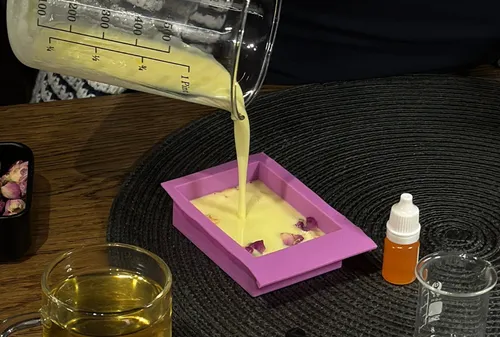
- Melt the wax in a heat-resistant container or use the double boiler method by placing the wax vessel in a pot of water and heating it slowly. Follow the wax manufacturer's instructions regarding the recommended melting temperature.
- Once the wax is fully melted, remove it from the heat and let it cool to the correct pouring temperature. This varies by wax type and fragrance oil instructions but is usually between 50 °C and 60 °C.
- While the wax cools, prepare your candle container by securing the wick to the bottom with an adhesive pad or candle glue. Make sure the wick stands straight and taut.
- Once the wax reaches the right temperature, you can optionally add dyes and stir well to ensure even distribution.
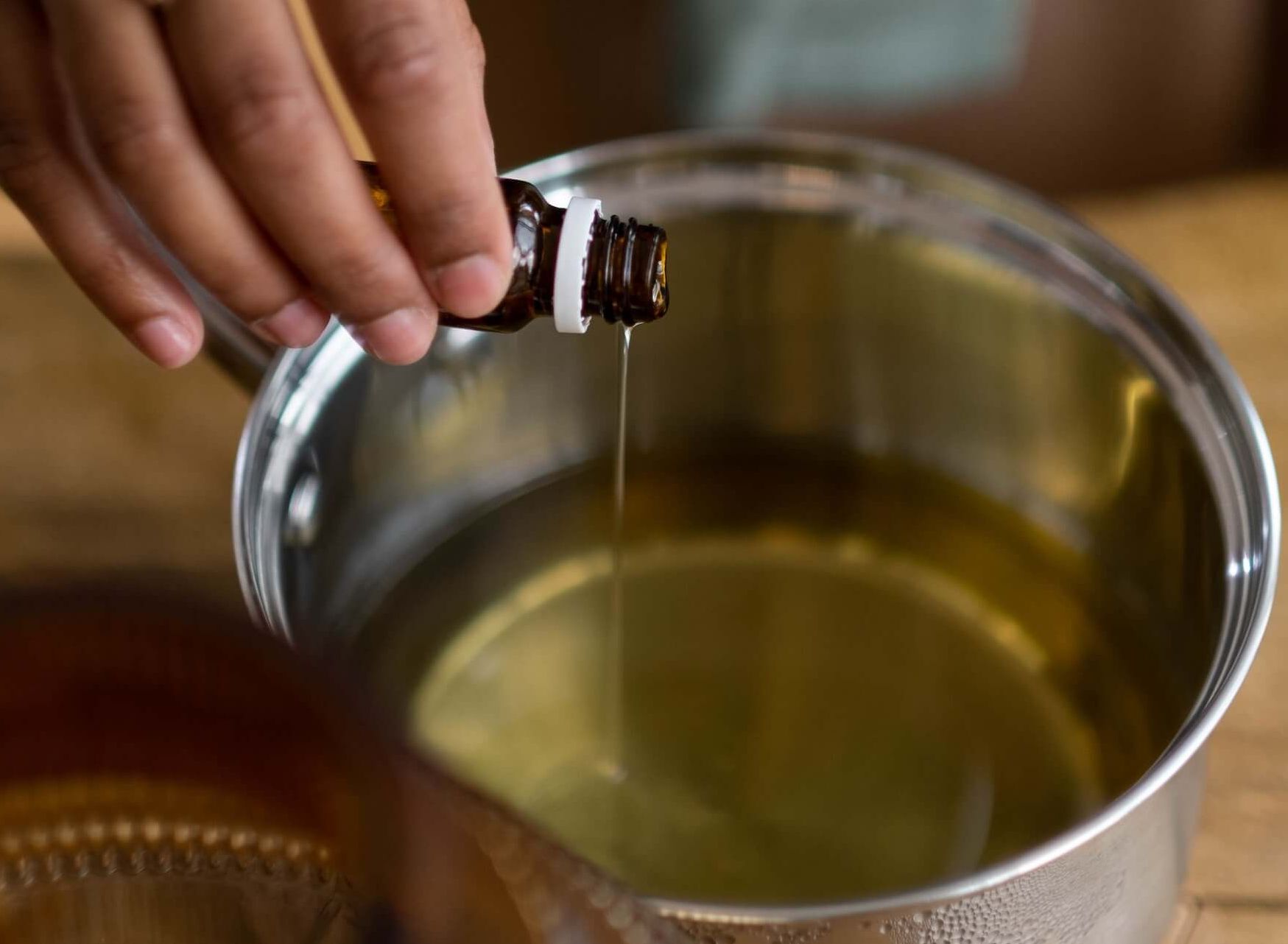
- Then add the fragrance oil. The exact amount depends on the strength of the oil and your desired intensity. As a starting point, use approximately 20–30 drops of fragrance oil per 200 grams of wax. Adjust to your personal preference.
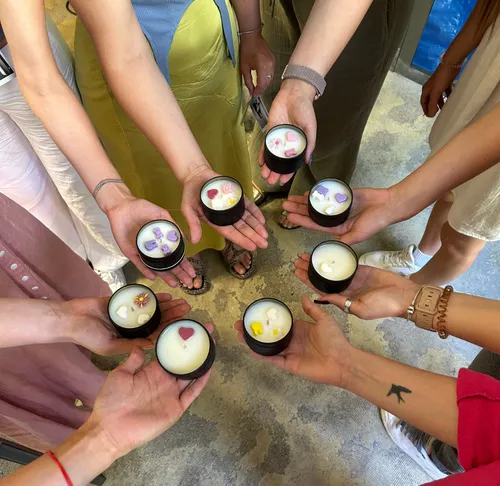
Tip: At our candle making workshop in Munich, you can make your own scented candles while enjoying a relaxing and creative experience. Scented candles also make a wonderful gift for your loved ones. Join together with someone special, our candle making workshops can also be gifted as a gift card.
Can you turn a regular candle into a scented candle?
Yes, you can turn a regular candle into a scented candle. To do this, use fragrance oils specifically designed for candles. The fragrance oils are added to the melted wax to give the candle a pleasant scent.

Fragrance for candle making: Which fragrance oils work best?
There are many fragrance oils suitable for candle making. Essential oils are a popular choice because they offer natural scents and often have various aromatherapeutic benefits. Some popular essential oils for candles include lavender, citrus, vanilla, eucalyptus, peppermint, and sandalwood. There are also fragrance oils specifically developed for candle making, available in a wide range of scents. Choose fragrance oils that match your personal taste and desired scent notes.
Note: At a candle making workshop in Munich, you'll have the opportunity to choose from a selection of 5 different essential oils. You can create your own DIY scented candles and personalize them with captivating scents like lavender, orange, patchouli, cinnamon, and ylang-ylang. And that's not all — you can also work beautiful dried flowers into your candles for a truly unique aesthetic. Let your imagination run wild and enjoy the many possibilities this workshop has to offer!
How many drops of essential oil should you add to a candle?
You can use a range of essential oils of any kind. The number of drops depends on the desired fragrance intensity, the type of wax, and your personal preferences. As a starting point, use approximately 20–30 drops of essential oil per 200 grams of wax. The amount can be adjusted to suit your preferences. It's advisable to start with a smaller quantity and increase as needed, since some essential oils are highly concentrated and can produce a very strong scent.

Why doesn't my homemade scented candle smell?
There are several reasons why your homemade scented candle may not have the desired fragrance:
- Low-quality fragrance oil: If you use poor-quality fragrance oils, the scent may be weak or fail to blend well with the wax. Use high-quality fragrance oils recommended for candle making to achieve optimal results.
- Incorrect fragrance oil dosage: If you use too little fragrance oil, the scent may be faint. Use the recommended amount or adjust the dosage to your personal preferences.
- Overheating the fragrance oil: If the fragrance oil is overheated, the scent can dissipate or change. Follow the instructions carefully and avoid excessive heat.
- Insufficient mixing: Make sure you stir the fragrance oil thoroughly into the melted wax to ensure even distribution. Inadequate mixing can result in a weak scent.
- Room size: Fragrance intensity can also depend on the size of the room in which the candle burns. In larger rooms, the scent may be perceived as weaker.
Consider these factors and adjust accordingly to ensure your homemade scented candle has a pleasant, lasting fragrance.
Which wax is best for scented candles?
There are different types of wax that can be used for candle making. The two most common options are wax flakes and soy wax.
Wax flakes | Soy wax | |
specifically manufactured for candle making | made from soybean oil | |
melts easily | natural alternative to paraffin wax | |
good burning properties | burns cleaner and slower than paraffin | |
absorbs fragrance oils well | a great option for eco-conscious candle makers |

Both wax types have their pros and cons, and the choice depends on your personal preferences, the desired look of the candle, and other factors. We recommend soy wax, as it contains no harmful substances such as paraffin. It also has a natural, pleasant scent that works well even without essential oils — ideal for those who prefer unscented candles.
If you'd like to make soy wax scented candles yourself, a candle making workshop in Munich is the perfect place to start.