How to drink gin? Neat, with ice cubes, or rather as a gin and tonic? This is one of the most frequently asked questions when it comes to gin, especially regarding the gin serving temperature. Find exactly this answer in this article and learn about drinking gin correctly.
What is Gin?
Gin is a clear spirit made primarily from juniper berries and other botanical ingredients. An exact gin botanicals list varies depending on the variety, but often includes coriander, citrus peel, angelica root, and cardamom. The alcohol is obtained by distilling grain or other raw materials and flavored with the botanicals to give the gin its unique taste. Over the years, various styles of gin have been developed, including London Dry Gin, Old Tom Gin, Sloe Gin, and New Western Dry Gin. If you know the types of gin differences, it will be much easier for you to find your personal favorite, as each variety has its own special characteristics and flavor profiles.

How to drink gin?
Tasting gin is similar to tasting wine or other spirits. Here are some tips, especially if you are looking for the best gin for beginners.
Can you drink gin alone?
Gin can be enjoyed neat as a drink, similar to other spirits like whiskey or vodka. Although gin is often used as the main ingredient in cocktails, many connoisseurs deliberately choose drinking gin neat. Taste different gins and drink the one that best suits your personal taste. It is important that it is a premium gin, as the complex aromas shine here without any distracting harsh alcohol notes.
Do you drink gin neat or on the rocks?
Depending on personal preference, gin can be enjoyed neat or on the rocks. When enjoyed neat, the aromas and nuances of the gin come through best. On the rocks, however, gin tastes milder and more refreshing.
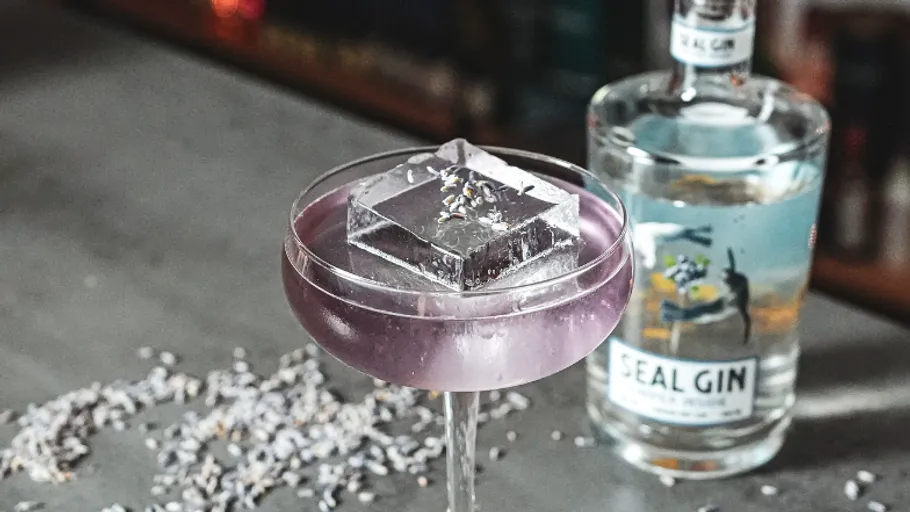

Which glasses are best for neat gin?
The shape of the glass plays an important role. Our recommendation for the best gin glasses: A classic gin glass with a bulbous bowl and long stem is ideal for fully enjoying the aroma and flavor. The bulbous bowl allows the aromas to concentrate, while the long stem prevents your hand from affecting the gin’s temperature.
 Empfehlung: Du möchtest tiefer in die Welt des Gins eintauchen? Dann lerne von echten Gin-Experten mehr über das Trend-Getränk.
What is the right temperature for gin?
It is recommended to serve gin at a temperature of about 15–18 degrees Celsius (59–64 °F) to bring out its flavor and aroma perfectly. This serving temperature can be achieved by briefly chilling the gin in the refrigerator or over ice.
How do I prepare gin correctly?
Here are a few steps on how you can prepare and drink gin correctly:
- Gin variety: Choose a premium gin that suits your taste and meets your preferences.
- The right glass: The best gin glasses help unfold the aroma of the gin perfectly.
- Temperature: If you want to taste the unique flavor of the gin, avoid adding ice cubes or only chill it slightly.
- Refine: Add garnishes like citrus zests or berries to give the gin additional aromas.
Tip: Dive into the world of gin at a gin tasting dusseldorf (or your local area) and learn locally from experts what really matters.
What Should You Keep in Mind When It Comes to Gin?
So, to drink and enjoy gin properly, there are a few key points to keep in mind:
- Gin Quality: Make sure to use high-quality gin, as the quality of the ingredients significantly influences the taste and aroma of the final drink.
- Storage: Store your gin in a cool, dark place to preserve its quality and flavor. Sunlight and high temperatures can negatively affect the gin.
- Serving temperature: Gin is ready to serve and tastes best when slightly chilled. This allows the alcohol and bitter notes to recede slightly, letting the botanicals come to the forefront.
- Botanicals: Gin is produced by distilling juniper berries and other botanical ingredients. Note the different botanicals in various gin varieties and choose the gin that suits your taste preferences.
- Garnish: The right garnish can enhance the aroma and appearance of your gin cocktail. Experiment with different garnishes such as lemon or orange zest, cucumber slices, or herbs to accentuate the flavor.
- Glasses: Choose the right glass for your gin cocktail. Depending on the type of cocktail, different glasses—such as a balloon glass, a tumbler, or a highball glass—can be used to optimize the drinking experience.
- Ice: Using high-quality ice is important to avoid diluting the flavor of your gin. Avoid flavorless or low-quality ice and choose clear, fresh ice instead.
- Creativity: Experiment with different types of gin, mixes, garnishes, and cocktail recipes to create your personal favorite gin cocktail. Gin offers a wide variety of flavor profiles and opportunities for customization.
- Enjoyment: Gin is a versatile drink that can be enjoyed in many different ways. Whether neat, in a classic gin and tonic, in a martini, or in other cocktails—enjoy gin your own way and discover the aromas and nuances of this fascinating drink.

Note: Learn more at our exclusive gin tastings and discover a new dimension of enjoyment.
How do you drink gin and tonic?
Gin is not only enjoyed neat, but also in the popular combination with tonic water. An important component of the classic gin and tonic is tonic water. Originally, tonic water was developed as a medicinal drink to combat malaria. It contained quinine, which is extracted from the bark of the cinchona tree and used to treat malaria. Today, tonic water is a popular mixer for gin and is available in many different flavors and variations. Modern tonic waters often have a higher carbonation level and a bitter taste that harmonizes well with the flavors of gin. However, there are many different brands of tonic water that vary in taste, sweetness, and bitterness. Some brands also offer special flavors like grapefruit, hibiscus, or cucumber to add even more variety to the gin and tonic. Thus, a gin and tonic can be prepared and enjoyed in many different ways. Nevertheless, there is a good mixing ratio for creating a delicious gin and tonic.
What is the ideal ratio for a gin and tonic?
Tasting a gin and tonic can be a true sensory experience if you follow the right steps. Here are some tips for enjoying the perfect gin and tonic:
- Choose the right tonic: Experiment with different brands and flavors of tonic water to find the perfect match for your gin. A bitter tonic pairs well with a London Dry Gin, while a fruity tonic harmonizes well with a fruity or floral gin.
- Don’t use too much ice: Too much ice can water down the gin and tonic and compromise the flavor. Use just enough ice to keep your drink well-chilled without diluting it too much. Here, too, it’s important to find your personal preferred drinking temperature for gin.
- Add fruits, herbs, or berries: Experiment with different garnishes to enhance the flavor of your gin and tonic. Lemon or lime slices, cucumber slices, basil leaves, or berries like raspberries or strawberries can add extra flavors to the drink and intensify the taste experience.
- Try different types of gin: Since there are so many different types of gin, it’s worth trying various varieties to find your personal favorite. Test different brands, styles, and botanicals to discover the gin that best suits your taste.
- Consider your individual preferences: Everyone has a different sense of taste, so it’s important to pay attention to your own preferences. You might prefer it sweeter, more bitter, or fruitier—find out which flavors and combinations suit your palate best and enjoy your gin and tonic in your own unique way.

It’s important to note that the ideal gin and tonic is different for everyone, and there are no hard and fast rules about what’s right or wrong. Everyone has different preferences and tastes, so it’s important to be open to experimentation and try different combinations to find the gin and tonic that suits you best.
What goes well with gin?
Gin is a popular alcoholic beverage that is often paired with various snacks to round out the taste experience. Snacks that pair well with gin include olives, cheese, nuts, crackers or breadsticks, chocolate, and spices. These snacks complement the botanical flavors of the gin and offer crunchy, salty, or spicy contrasts.