Table of contents
- 1. What is graffiti?
- 2. What materials and tools do you need?
- 3. The Graffiti ABC for beginners: What graffiti styles are suitable for beginners?
- 4. General tips for beginners:
- 5. What is tagging?
- 6. What is street art?
- 7. Ideas for your first graffiti artworks

- Graffiti is a creative art form in which images and lettering are created using spray cans.
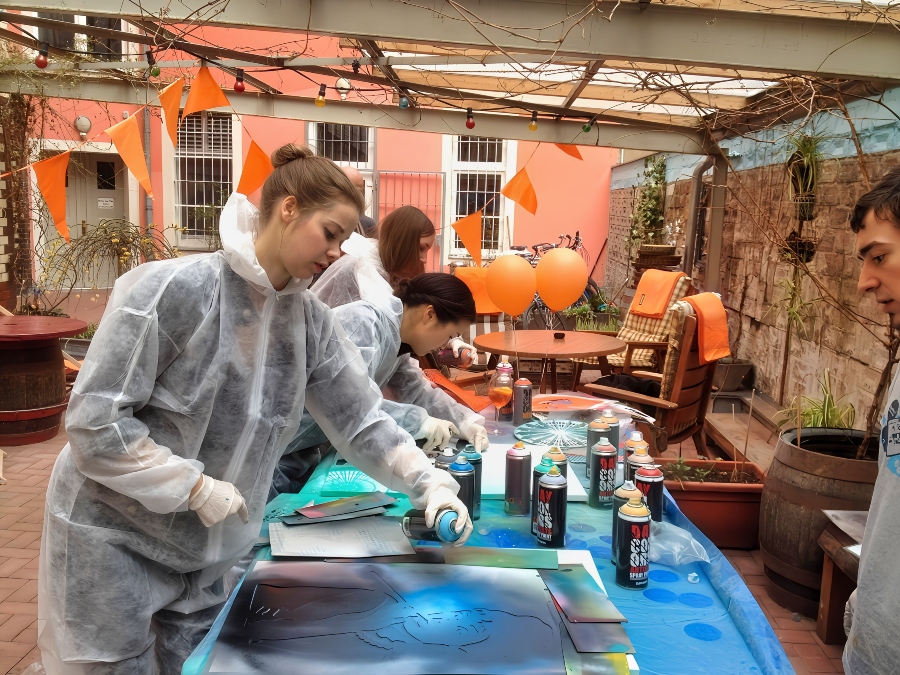
- To get started, you’ll need: a sketchpad, spray cans, protective clothing and a legal wall.
- First steps: Try out simple letters, shapes and colour gradients.
- Legal considerations: Spraying is only permitted in certain places.
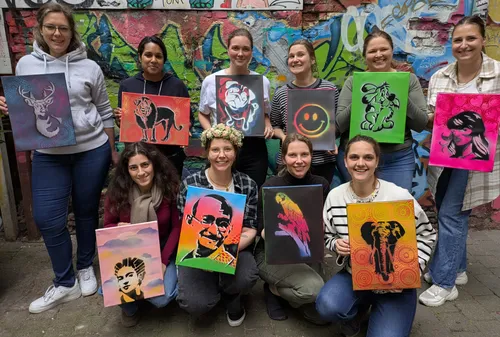
- In my Graffiti Workshop in Berlin, you’ll learn the basics of graffiti and how to develop your own style.
Graffiti captivates with its diversity, vibrant colours and rebellious charm. What once began as subversive street art has long since evolved into a recognised art form. Names such as Banksy have helped to blur the line between illegal art and socially accepted street art. For many, graffiti is a way to express their creativity and leave their personal mark. But what is actually behind this art form, and how do you approach graffiti for beginners? Discover 148 Graffiti Workshops in Germany and Austria.

What is graffiti?
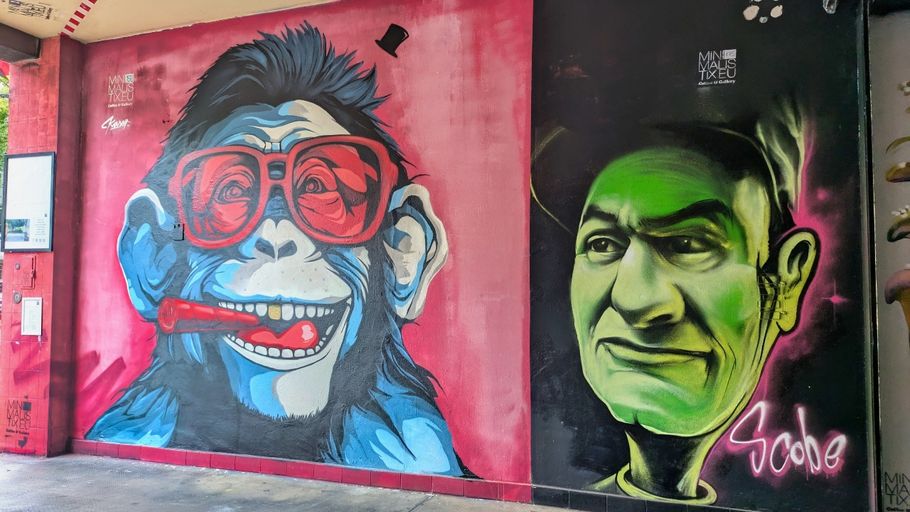
Graffiti is a form of visual expression and a means of self-expression that is inextricably linked to street culture and urban lifestyle. It encompasses everything from simple tags and elaborate bombings to impressive murals, known as ‘pieces’. The graffiti scene has its roots in the late 60s and early 70s, when writers in Philadelphia and New York began leaving their tags all over the city. The movement took hold and spread throughout cities and across the world. Initially, graffiti was closely linked to hip-hop culture. Films such as Wild Style and Style Wars helped the movement achieve a breakthrough.

What materials and tools do you need?
Beginners don’t need much to get started, but choosing the right materials is crucial:
- Spray cans: The staple of every graffiti artist. The so-called ‘caps’ determine the line width and offer countless possibilities.
- Markers: Perfect for small areas or tagging.
- Rollers and brushes: Ideal for creating large areas or backgrounds.
- Sketchbook: For practising and developing your own style.
- Graffiti templates for beginners: These help you develop your first ideas and practise.
In addition, gloves and masks help protect you from the spray paint, and a good wall surface is essential; find out about places in your area where spraying is permitted.

The Graffiti ABC for beginners: What graffiti styles are suitable for beginners?
There are a few simple graffiti styles that are particularly well-suited to beginners. They allow you to learn the basic techniques and styles without being overwhelmed by complex details. Here are a few suggestions:
1. Block Letters
- Clear, angular letters that are easy to draw. Ideal for understanding the basic structure of graffiti lettering.
- Tip: Work with straight lines and make sure the letters are proportionate to one another.
2. Bubble Letters
- Round, playful letters reminiscent of soap bubbles. This style is easy to execute and very forgiving.
- Tip: Exaggerate the curves and leave plenty of space between the letters.
3. Throw-Up Style
- Quick and simple lettering, often with a thick outline. Perfect for practising the typical graffiti style.
- Tip: Use broad lines and avoid complicated details.
4. Stencil Style
- Inspired by stencil graffiti. The letters are angular and often consist of separate elements.
- Tip: Work with clean edges and leave small gaps to mimic the stencil look.
General tips for beginners:
- Make sketches: Always start with a pencil before using paint or markers.
- Experiment with colours: Start with two or three colours and gradually add shading or highlights.
- Accept mistakes: Graffiti takes practice. Don’t let small mistakes discourage you!
- Find inspiration: Check out tutorials or graffiti-style galleries to develop your own style.

What is tagging?
Tagging is the simplest form of graffiti. It involves leaving a writer’s street name or chosen identity on walls, trains or other public places. Tags are often accompanied by additions such as arrows, halos or underlines, which emphasise the writer’s individual style and creativity. However, tagging is not just art, but also a form of territory marking that can certainly trigger conflicts within the scene.
Important: In most cases, tagging is considered illegal and can have legal consequences. Nevertheless, it is precisely this element that contributes to the fascination of graffiti culture.

What is street art?
Street art is a form of visual art created in public spaces, on the streets or commissioned by legitimate organisations. If you are looking to learn the street art basics, you should know that street art includes stencils, paste-ups (art produced in a workshop), stickers, installations and murals.
Street art is aimed at a wide audience, the general public, and encompasses not only visual artworks but also commentary on social, political or cultural issues. It is intended to stimulate discussion, foster appreciation and encourage critical thinking. In doing so, it transforms not only public spaces but also the minds of those who view it. Sometimes confrontational and controversial, sometimes humorous, and sometimes breathtakingly creative and beautiful. Street art democratises art and makes it accessible to everyone, anytime, on the streets. The artists are completely free in their creativity and originality.

Ideas for your first graffiti artworks
If you want to get started with graffiti, simple and creative projects are a great way to get a feel for the techniques and materials. Here are a few ideas:
- Bubble lettering: Write your name or a word in large bubble letters and experiment with different colours and shades.
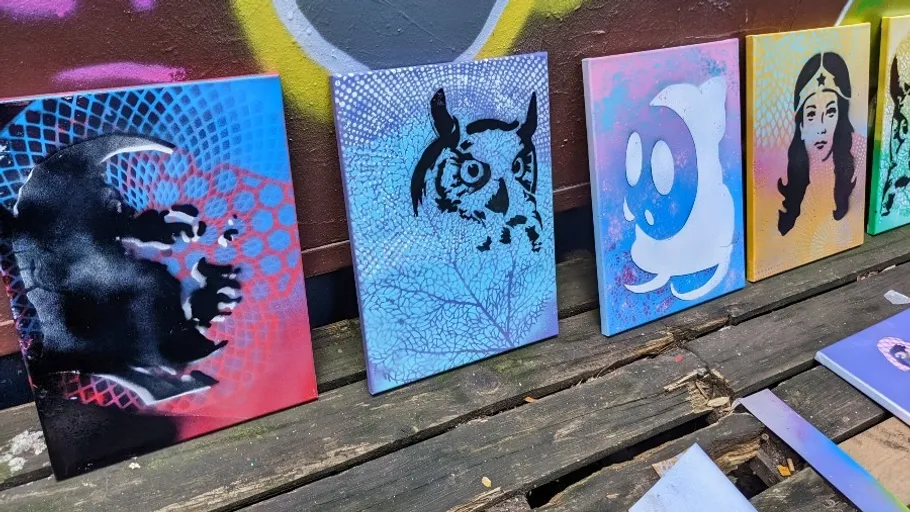
- Using stencils: Create your own stencils for simple shapes or motifs and use them to practise clean lines and colour transitions.
- Street art inspiration: Take inspiration from simple street art motifs such as hearts, stars or animals. As you gain more confidence, you can even start drawing graffiti characters to bring your pieces to life.
- Coloured backgrounds: Paint a wall with a coloured background and then add lettering or patterns.
Graffiti is an art form that offers you countless opportunities to develop your own style – whether as a hobby or a passion project. Getting started begins with learning the basics and respecting the rules of the scene. Draw inspiration from graffiti ideas or special lettering templates for beginners to find your own unique expression. With practice, creativity and the right amount of patience, you can gradually venture into larger projects, such as designing names in an expressive graffiti font, and thus secure your place in the graffiti scene.