Acrylic painting techniques – the essentials at a glance:
- Acrylic paints are versatile, dry quickly and lend themselves to a wide range of techniques such as glazing, palette knife work and pouring.
- To get started, all you need is a basic set of supplies: paints, brushes, a painting surface and a mixing palette.
- Popular techniques include glazing for depth, palette knife work for texture, wet-on-wet for smooth transitions and pouring for colourful, flowing effects.
- Acrylic painting is perfect for beginners as it is easy to work with – experiment with colours, work in layers and have fun.
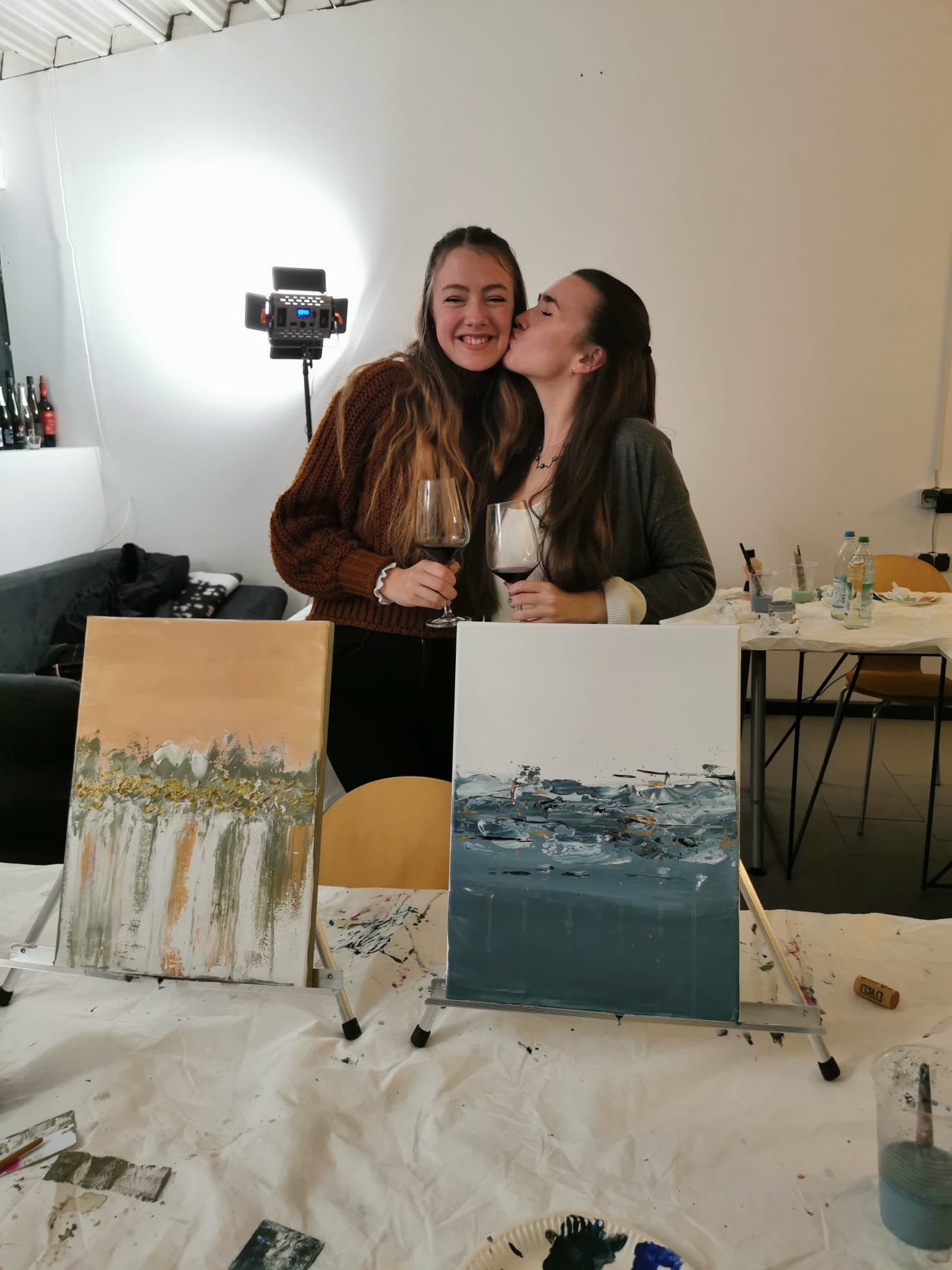
- Get creative and deepen your knowledge at the acrylic painting course in Munich with The Artily.
Acrylic paints are among the most popular painting mediums of our time – and for good reason: they are versatile, dry quickly and can be combined with a wide variety of techniques. In this guide to painting with acrylics, you’ll find out everything you need to get started with acrylic painting: from the basic equipment and key techniques to helpful tips and offers that will allow you to get started straight away.
What is the basic equipment for acrylic painting?
To start acrylic painting, you don’t need expensive or complicated equipment. A solid basic kit of acrylic painting materials is more than enough to create creative works:
- Acrylic paints: Start with a set of primary colours (e.g. cyan, magenta, yellow, black, white). You can mix these as you like. Look for high-quality paints with a high pigment density – they provide better coverage and last longer.
- Brushes: When looking at the different types of brushes for acrylic painting, flat brushes (for broad areas), round brushes (for details) and cat’s-tongue brushes (for soft transitions) are essential. Synthetic-bristle brushes are also particularly well-suited for acrylic paints.
- Painting surface: Canvas, painting board or acrylic paper – anything goes. It is important that the surface is primed, perhaps using an acrylic painting primer, so that the paint adheres well.
- Mixing palette: A mixing palette (made of plastic or glass) or even a simple plate is perfectly adequate for mixing the paints.
- Water container: For washing out the brushes – acrylic paints dry quickly, so clean the brushes promptly.
- Cloth or kitchen roll: For drying and cleaning brushes or for dabbing off paint.

What techniques are there in acrylic painting?
Acrylic paint is a real all-rounder. Here I’ll introduce you to the most popular acrylic painting techniques – each one is fascinating in its own way:
1. The glazing technique
The glazing technique works with thin, translucent layers of paint that are applied on top of one another.

How the glazing technique works:
- Dilute the acrylic paint with water until it has only a slight opacity. (Note: if you want to extend the drying time during glazing with acrylics, you can also use retarders for acrylic paints).
- Then apply it in several thin layers and leave it to dry. It is important that the colours underneath show through. The new layer simply lies over the top like a light veil. This is precisely what gives your artwork depth, subtle transitions and a sense of lightness.
- Bear in mind, however, that the more glazes you layer on top of each other, the more intense and deeper the colour tone appears.
This technique is ideal for landscapes or portraits.
2. The palette knife technique
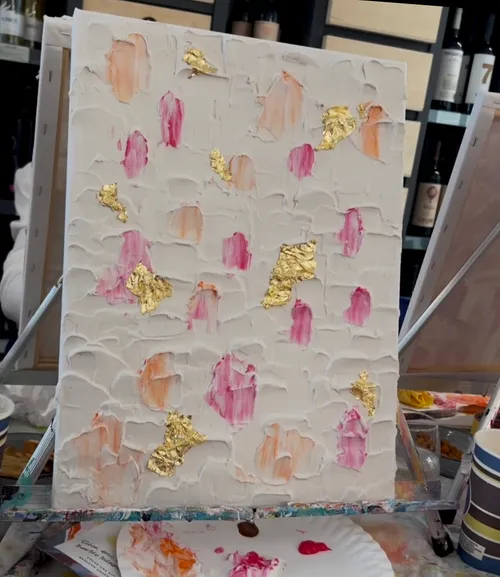
Here, acrylic paint is applied to the canvas using a painting knife or palette knife – often thickly and with a sculptural quality. This does not result in a flat application of paint as in traditional painting, but rather a sculptural, relief-like surface with plenty of dynamism and texture.

How the palette knife technique works:
- You should use acrylic paint that is as impasto (i.e. thick or creamy) as possible, so that it can be easily modelled. Alternatively, you can mix in texture paste to create even more texture.
- Spread, drag or push the paint across the canvas with the palette knife – try out different movements and playfully discover the textures that emerge.
- You can spread the paint evenly, apply it in arcs, or even create scratches and indentations.
This technique is perfect for giving free rein to your creativity, listening to your instincts and working intuitively, and is especially popular in abstract painting with acrylics.
3. The wet-on-wet technique
The wet-on-wet technique is a painting method in which you quickly blend several shades of colour together on the still-wet surface (wet on wet).
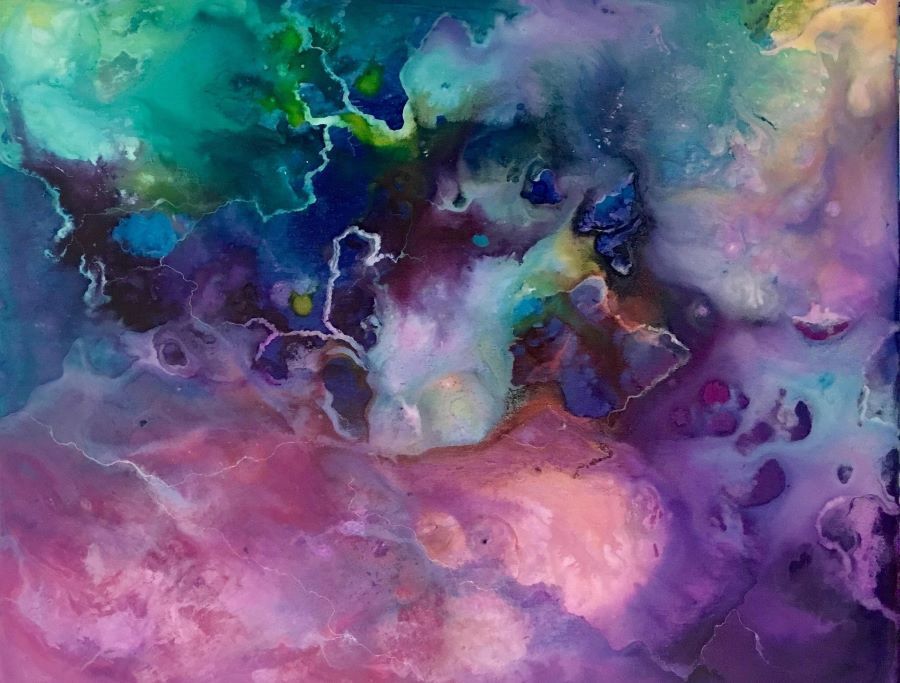
How the wet-on-wet technique works:
- You work the colours directly into the wet paint.
- The result is flowing transitions, vibrant gradients and a particularly dynamic visual effect.
This acrylic painting technique is perfect for skies, water or portraits.

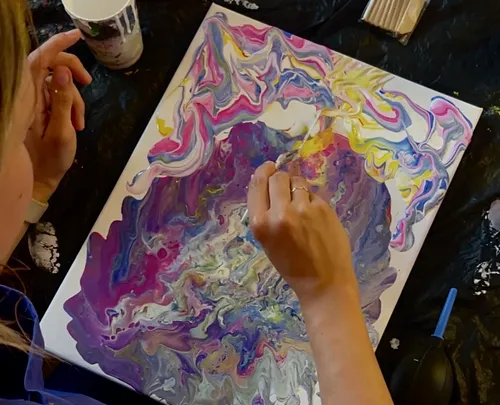
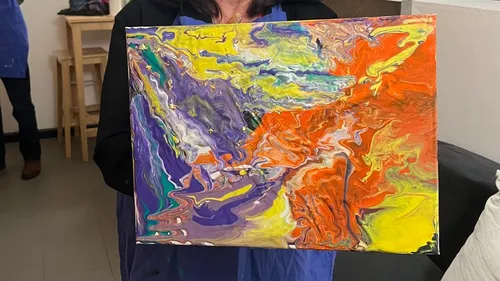
4. Acrylic Pouring
Acrylic pouring is one of the most popular techniques at the moment.

How the acrylic pouring technique works:
- In acrylic pouring, the acrylic paint is mixed with a pouring medium until it reaches a milky consistency.
- You can then pour the paints individually or in layers into a larger cup, or directly onto the canvas.
- By tilting and swirling the canvas, you create organic shapes, vibrant colour gradients and so-called ‘cells’ – small coloured circles or bubbles reminiscent of marble patterns or galaxies.
- Tip: To enhance cell formation during pouring, use a heat gun. Every piece is unique!
With this technique, things are sure to get colourful and fluid!
5. The granulation technique and others
The granulation technique is an experimental acrylic painting technique in which you mix acrylic paint with grainy or coarse materials or work these directly into the wet paint. Another fun method is the dot painting technique, where you create intricate patterns entirely out of small, colourful dots of acrylic paint.

How the granulation technique works:
- Typical additives to mix into the acrylic paint include sand, coffee grounds or salt – anything that adds texture and grain.
- The result is relief-like surfaces, natural textures and surprising visual effects.
The technique particularly appeals to creative minds who enjoy experimenting with materials and want to give their paintings a more three-dimensional feel.
6. Dry brush technique
The dry brush technique is a way to add fine details and textures to your artwork.

How the dry brush technique works:
- The dry brush technique is a method where only a very small amount of paint is picked up onto a dry brush and then applied to a dry surface using gentle pressure.
- This creates a rough, textured look that is both detailed and understated.
This technique is ideal for fabrics, strands of hair and textures.
Acrylic painting tips for beginners
If you’re just starting out with acrylic painting for beginners, it helps to bear a few basic tips in mind:
- Start small: Work on smaller formats first to practise the technique.
- Use little water: Although acrylic paint can be diluted with water, too much can reduce the vibrancy of the colours.
- Test colour mixtures: Keep a test sheet handy to try out colours and gradients before applying them to your artwork.
- Work in layers: Acrylic paint lends itself beautifully to layered acrylic painting. Start with rough shapes and colours first. The details and highlights come later. This helps you keep track of things and build up your painting in a more focused way.
- Clean your brushes straight away: Dried-on acrylic paint is almost impossible to remove.
- Have lots of fun! Most importantly: Enjoy the process. Acrylic painting is not only a creative medium, but also a wonderful way to find peace and express yourself!
Learn acrylic painting techniques at The Artily

In our events, you’ll not only learn the basics of acrylic painting, but you’ll also be able to let your creativity run wild – with step-by-step guidance, personalised tips and tricks, high-quality materials and plenty of fun. Whether you’re a beginner or want to refine your technique, you’ll find the right painting class for your level and your vision.
Save $5 on a painting classSubscribe to our newsletter and save $5 on a painting class near you.



Acrylic painting techniques – FAQs:
Discover classes of the artily