Table of contents
- 1. What Flavor Styles Exist in Wine?
- 2. What Are Wine Flavor Styles, Specifically?
- 3. Off-Dry ("Feinherb") Is the Unofficial Favorite:
- 4. What's the Difference Between Dry and "Herb"?
- 5. Which Wines Match Which Flavor Style?
- 6. Why Balance Is What Really Matters:
- 7. Flavor Styles in Sparkling Wine:
Winetasia
Partner and writer
Wine Flavor Styles – Key Takeaways
- The official flavor style of a wine in Germany is primarily determined by its residual sugar content (dry to sweet).
- Sparkling wines follow a different naming convention, where "dry" already means noticeable sweetness; for genuine dryness, look for "Brut."
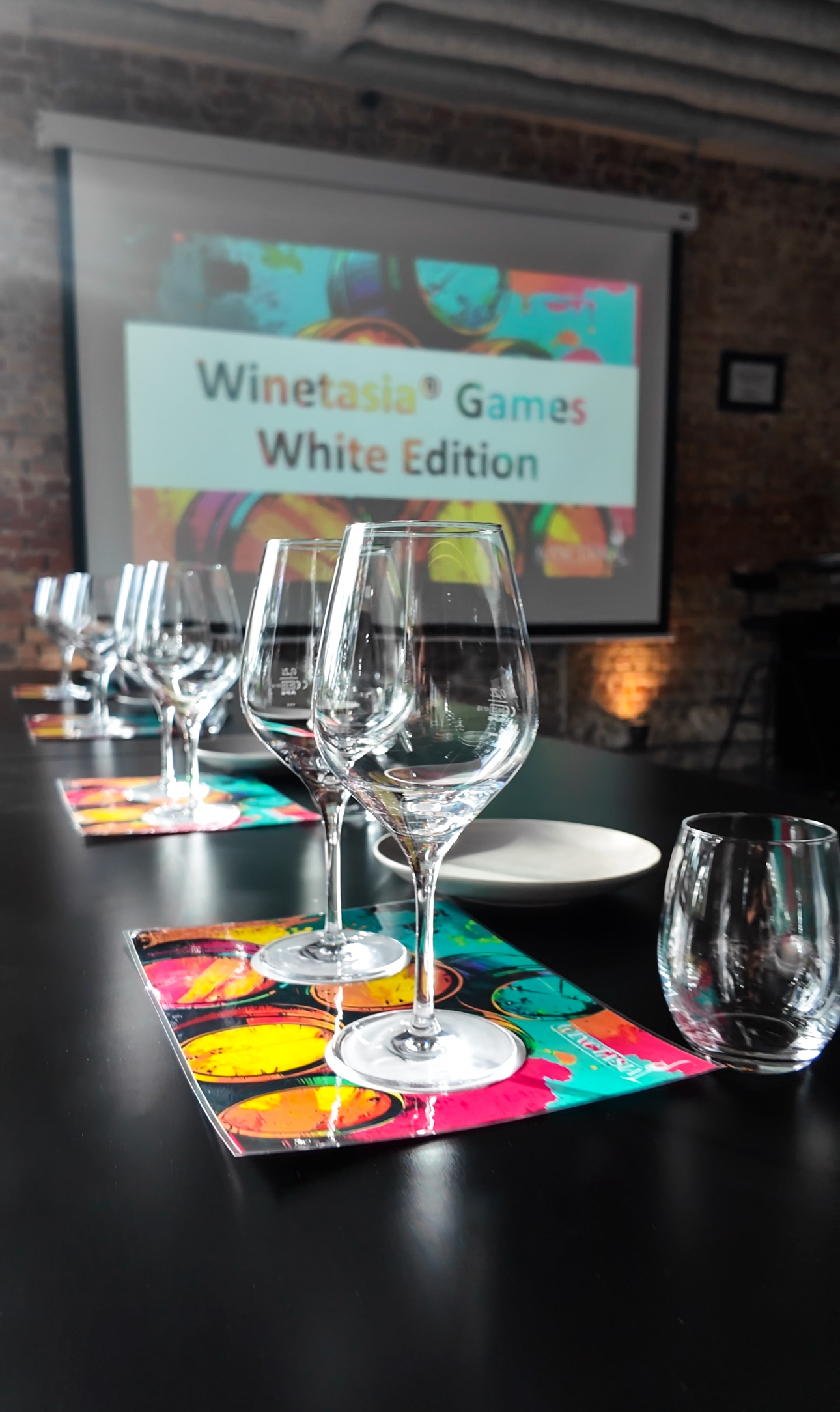
- Try wine flavor styles yourself: visit Winetasia in Stuttgart and experience a special wine tasting.
Sound familiar? You're standing in front of the wine shelf, ready to grab a good bottle for the evening, and then you see these terms on the label: dry, off-dry, semi-sweet, and so on. Which wine style actually fits you, and what do these terms really mean?
Don't worry, plenty of people feel the same way. The flavor descriptors on a wine bottle are often your first clue for figuring out whether a wine is right for you. Let's take a look together at what's behind these various terms, so the next time you're shopping or at a wine tasting, you'll know exactly what's being discussed.

What Flavor Styles Exist in Wine?
The flavor style listed on a wine label is determined by its residual sugar content, meaning the sugar left over in the wine after fermentation.
Simple logic: the more residual sugar, the sweeter the wine. In Germany, these flavor designations are legally regulated and divide wines into four main categories:
The Four Wine Flavor Styles in Germany:
- Dry wine
- Off-dry wine
- Semi-sweet wine
- Sweet wine
These gradations give you a good sense of how much sweetness to expect.
What Are Wine Flavor Styles, Specifically?
Let's look at the official definitions. This is where it gets precise, since each wine flavor style is defined by grams of residual sugar per liter:
Dry Wine:
Up to 4 grams per liter (or up to 9 grams per liter, if the acidity is at most 2 grams per liter lower). The wine tastes barely sweet at all. The sweetness is minimal and most people don't even notice it.
Off-Dry Wine:
Here it's 9 to 18 grams per liter (residual sugar may be at most 10 grams per liter above the acidity level). Here you'll taste a subtle residual sweetness. The wine feels balanced and harmonious, a good compromise for many occasions.
Semi-Sweet Wine:
Here it's 18 to 45 grams per liter. Now it gets noticeably sweeter. The sweetness is clearly detectable, though we're not talking about a dessert wine yet.
Sweet Wine:
Over 45 grams per liter. Very sweet. This category includes noble sweet wines like Beerenauslese or ice wine.
Off-Dry ("Feinherb") Is the Unofficial Favorite:
Things get interesting with the term "feinherb" (off-dry). Unlike dry, semi-dry, semi-sweet, and sweet, this flavor designation isn't a legally protected term under German wine law.
Winemakers like to use this term for wines that fall in the off-dry range but carry a slightly more pronounced, harmonious residual sweetness. It's a stylistic descriptor that signals: expect a pleasant, delicate sweetness here. Not as neutral as dry, but not as sweet as semi-sweet either.
Usually, the residual sugar in these wines falls between 12 and 18 grams per liter, so at the upper end of off-dry or just above it. It's a term that leaves room for interpretation, and that's exactly what makes it appealing to many winemakers.
What's the Difference Between Dry and "Herb"?
Is there even a difference between dry and "herb"? Short answer: not really. Like "feinherb," "herb" isn't an officially, legally defined term either. In German, "herb" is usually used as a synonym for dry, meaning wines with little to no residual sugar.
What Many People Don't Know:
That dry, slightly puckering sensation in your mouth when drinking wine has nothing to do with the term "dry." That sensation comes from tannins, not from a lack of sugar. It's a common misconception.
Sometimes you'll also hear "herb" used to describe red wines that are especially bold, spicy, or tannin-forward, meaning they have a somewhat rougher, less smooth character. But typically, "herb" simply means: dry, with barely any residual sugar.
So a wine's overall flavor profile depends on far more than just sugar.
Which Wines Match Which Flavor Style?
By the way, a wine's flavor style isn't tied to a specific grape variety. The winemaker decides how sweet or dry a wine turns out based on when the grapes are harvested and how fermentation is handled. Still, there are typical examples for different wine flavor styles:
- Dry: Riesling (Kabinett, Spätlese), Pinot Gris, Pinot Blanc, Sauvignon Blanc, Cabernet Sauvignon, Merlot. (Great with food, since the lack of sweetness doesn't overpower the flavors of the dish.)
- Off-dry: Müller-Thurgau, Kerner, Dornfelder (often). (Balanced and easygoing, a good everyday wine.)
- Semi-sweet: Scheurebe, Gewürztraminer, some late-harvest wines. (Pairs well with light desserts or as an aperitif, if you like things a bit sweeter.)
- Sweet: Beerenauslese, Trockenbeerenauslese, ice wine, Sauternes. (Classic dessert wines with high concentration and complexity.)

Why Balance Is What Really Matters:
Here's an important point many people miss: any specific wine flavor style can vary in how it actually tastes. A wine with plenty of residual sugar can still taste fresh and lively if it has bright, crisp acidity. Acidity balances out sweetness, some even say it "absorbs" part of it.
Riesling is a perfect example. Even a semi-sweet Riesling can taste elegant and never syrupy, thanks to its natural, zesty acidity. That's the art of winemaking: balancing sweetness, acidity, and tannins. Next time you taste a wine, don't just pay attention to the sweetness. Notice the acidity too, and for red wines, the tannins. It's the interplay of all these elements that gives a wine its full character.
Flavor Styles in Sparkling Wine:
While flavor designations for still wines are fairly straightforward, things get genuinely confusing with sparkling wine, think sekt, champagne, prosecco, and the like. There's a completely separate classification system used internationally:
- Brut Nature / Zero Dosage: 0-3 grams per liter (extremely dry, no sugar added.)
- Extra Brut: 0-6 grams per liter (very dry with minimal sweetness.)
- Brut: 0-12 grams per liter (dry, and this is the most common category for sparkling wines.)
- Extra Sec / Extra Dry: 12-17 grams per liter (slightly sweet. This is where it starts getting confusing.)
- Sec / Dry: 17-32 grams per liter (noticeably sweet, even though it's labeled "dry")
- Demi-Sec / Semi-Dry: 32-50 grams per liter (clearly sweet.)
- Doux / Sweet: over 50 grams per liter (very sweet.)
Watch out, this is where confusion easily creeps in. A sparkling wine labeled "dry" (French: Sec) is noticeably sweeter than a still wine with the same label. If you want a truly dry sparkling wine, reach for "Brut" or "Extra Brut" instead. This mismatched naming convention trips people up again and again, but now you're in the know.
In the end, there's really only one solution: taste it yourself. Now you at least know the terminology and roughly what to expect. Figure out which balance suits your palate best, and don't let complicated labels intimidate you. After all, drinking wine should mainly be about having fun.
Inspiration for youSign up for the newsletter and receive tips for great experiences near you. As a thank you, you will receive a €5 voucher.


Discover classes of Winetasia