- What Cognac is: Cognac is a refined brandy that comes from the Charente region in western France.
- Cognac categories: V.S., V.S.O.P., X.O., X.X.O.
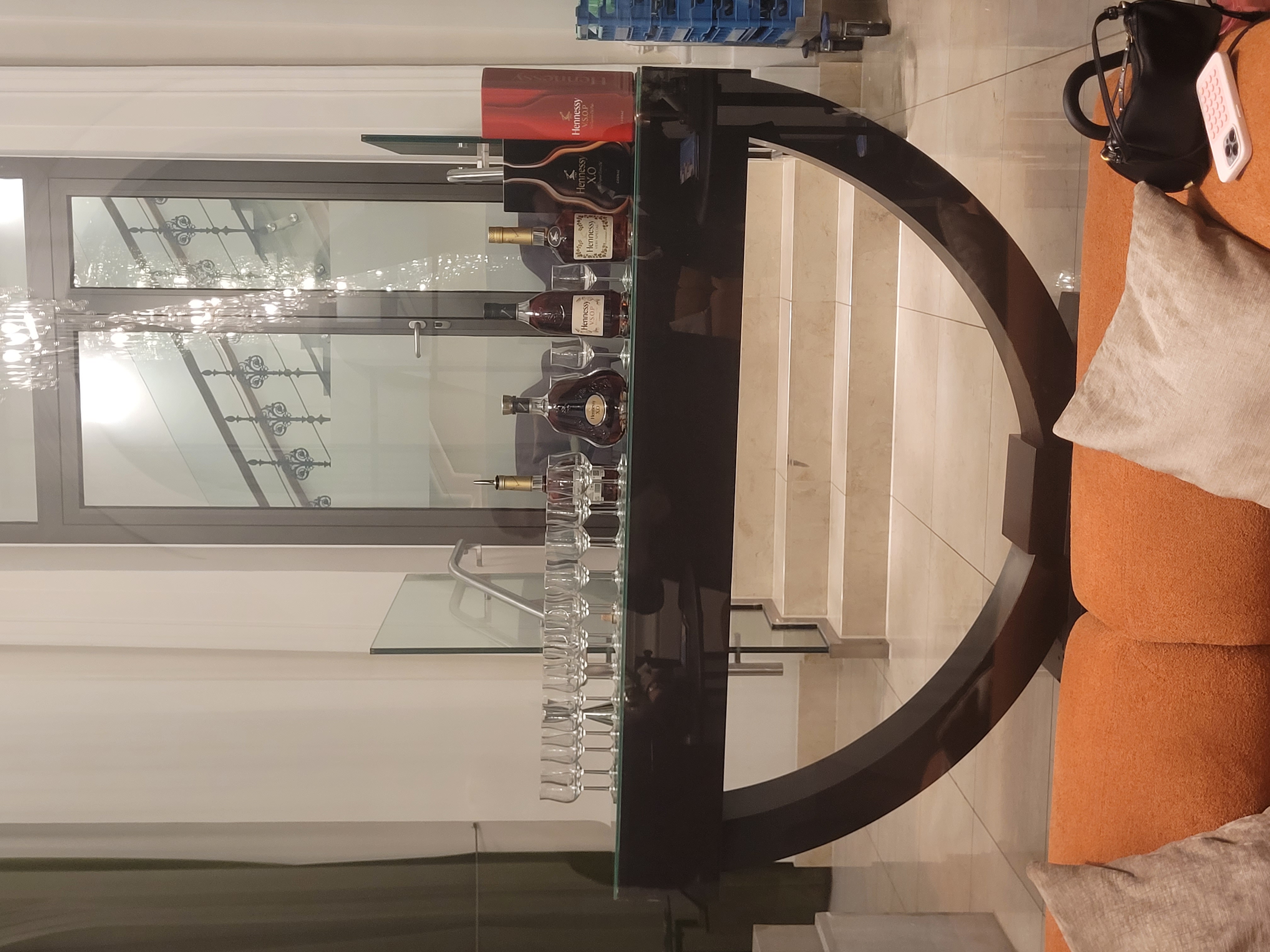
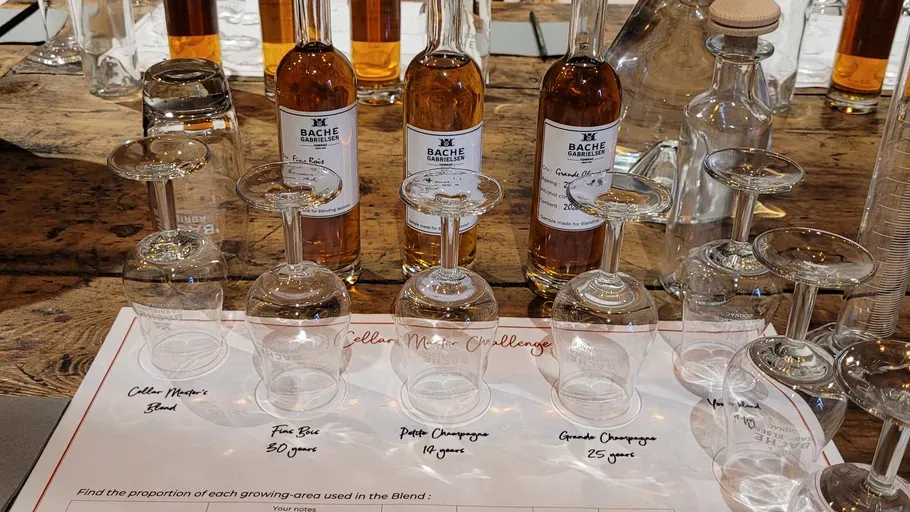
- Try Cognac yourself: Visit Raise Your Spirits at their Cognac tasting in Vienna and get to know Cognac better.
Cognac carries an air of exclusivity, and many assume this brandy is complicated, expensive, and reserved only for connoisseurs. But good Cognac is just waiting to be discovered by you. Here you'll learn what Cognac is, what it's made from, and what actually sets Cognac apart from other brandies.
What Is Cognac?
Cognac is a brandy, meaning a spirit distilled from wine and then aged in wooden barrels. So what makes Cognac special? Its uniqueness lies in where it comes from. Cognac can only come from the Charente region in western France. Only there is it produced under strict rules that protect the name "Cognac."
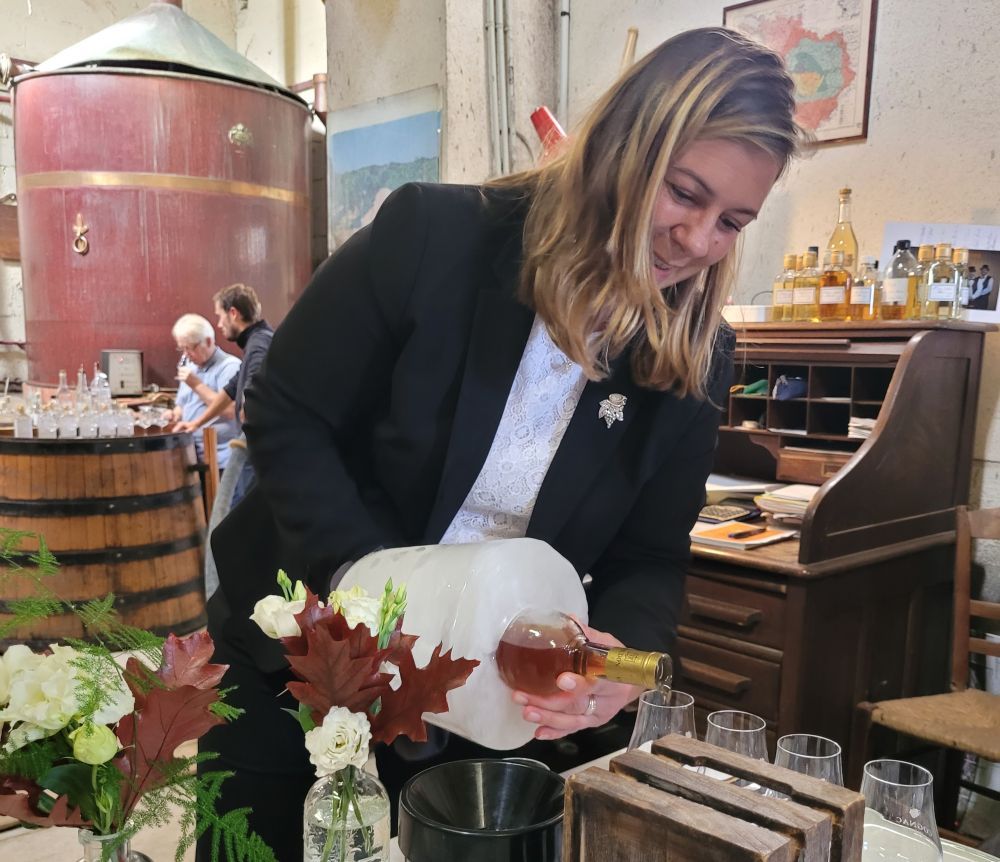
As far back as the Middle Ages, the region was known for its wine and salt trade. When it turned out that wine didn't hold up well on long sea voyages, merchants began distilling it, marking the beginning of Cognac production.
This is how the first "eaux-de-vie," or "waters of life," came to be, and soon after, the familiar trading houses that are still known worldwide today. Since 1919, it's been legally defined: only brandy from the Charente region can be called Cognac.
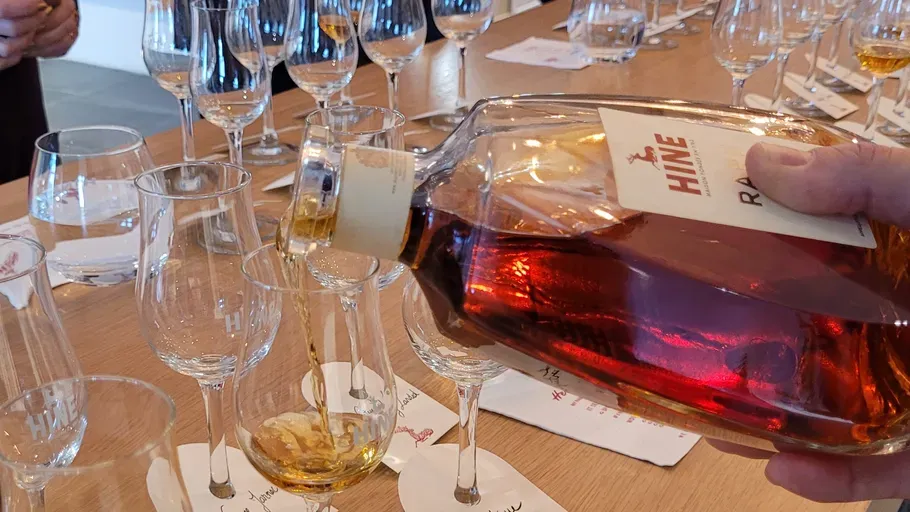
Where Is Cognac Made?
Cognac is divided into six growing regions that radiate outward from the town of Cognac itself.
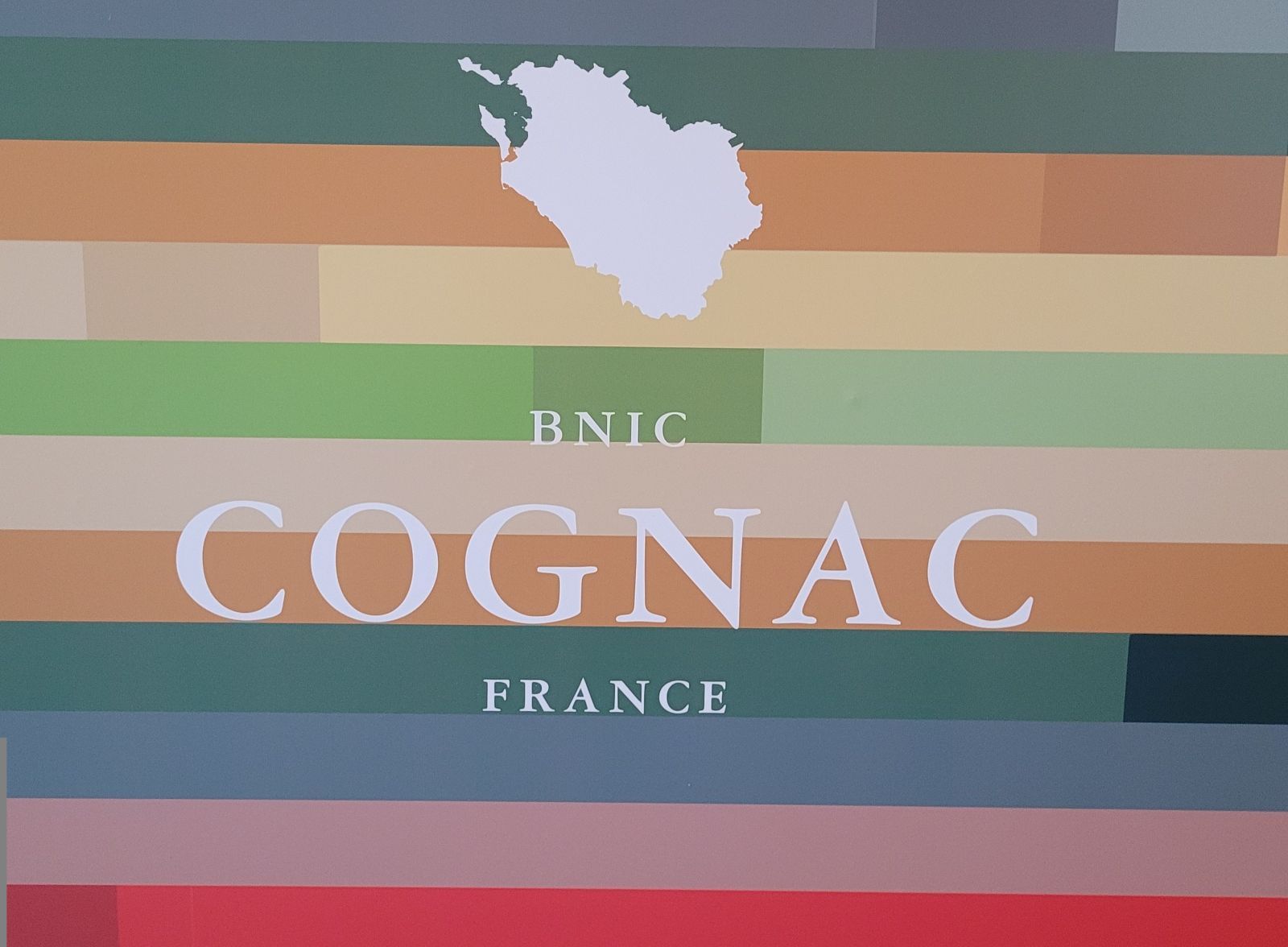
A simple rule of thumb: the closer to the center, the more complex and refined the brandy.
- Grande Champagne: Chalky soil, a very elegant style, floral, with notes of white blossoms and citrus, ideal for long aging.
- Petite Champagne: A bit bolder, with fruity-floral aromas and a warmer texture.
- Borderies: Mild and fragrant, with notes of violet, nuts, and toffee.
- Fins Bois: Fruity and soft, with aromas of fresh Cognac grapes, apple, and pear.
- Bons Bois: Rustic, hearty, and often carrying maritime notes.
- Bois Ordinaires: Light, salty, and shaped by coastal influence.
How Is Cognac Made?
Many people wonder: what exactly is Cognac made from? The base ingredient is white wine grapes, usually the Ugni Blanc variety, which makes up around 98 percent of the growing area. Folle Blanche and Colombard are also used. These grapes produce an acidic, light base wine that's ideal for distillation.
Cognac is made in copper stills known as "pot charentaise." The wine is distilled twice, resulting in a clear, aromatic spirit.
Important: all of a harvest's wine must be distilled by the end of March the following year. This forms the foundation for a good Cognac.
Aging and the Time It Takes for Quality Cognac:
The official aging year begins on April 1st. Every year a Cognac spends in the barrel is counted from that date. Aging takes place exclusively in oak barrels with a capacity of 50 to 120 gallons.
During this time, the aromas that define Cognac's unique character develop, ranging from fresh and fruity to deep and spicy.
Age categories help you choose the right Cognac:
- V.S. (Very Special): aged 2 years
- V.S.O.P. (Very Superior Old Pale): aged 4 years
- X.O. (Extra Old): aged 10 years
- X.X.O. (Extra Extra Old): aged 14 years
The longer a Cognac ages, the more complex and intense its character becomes, a truly refined Cognac.
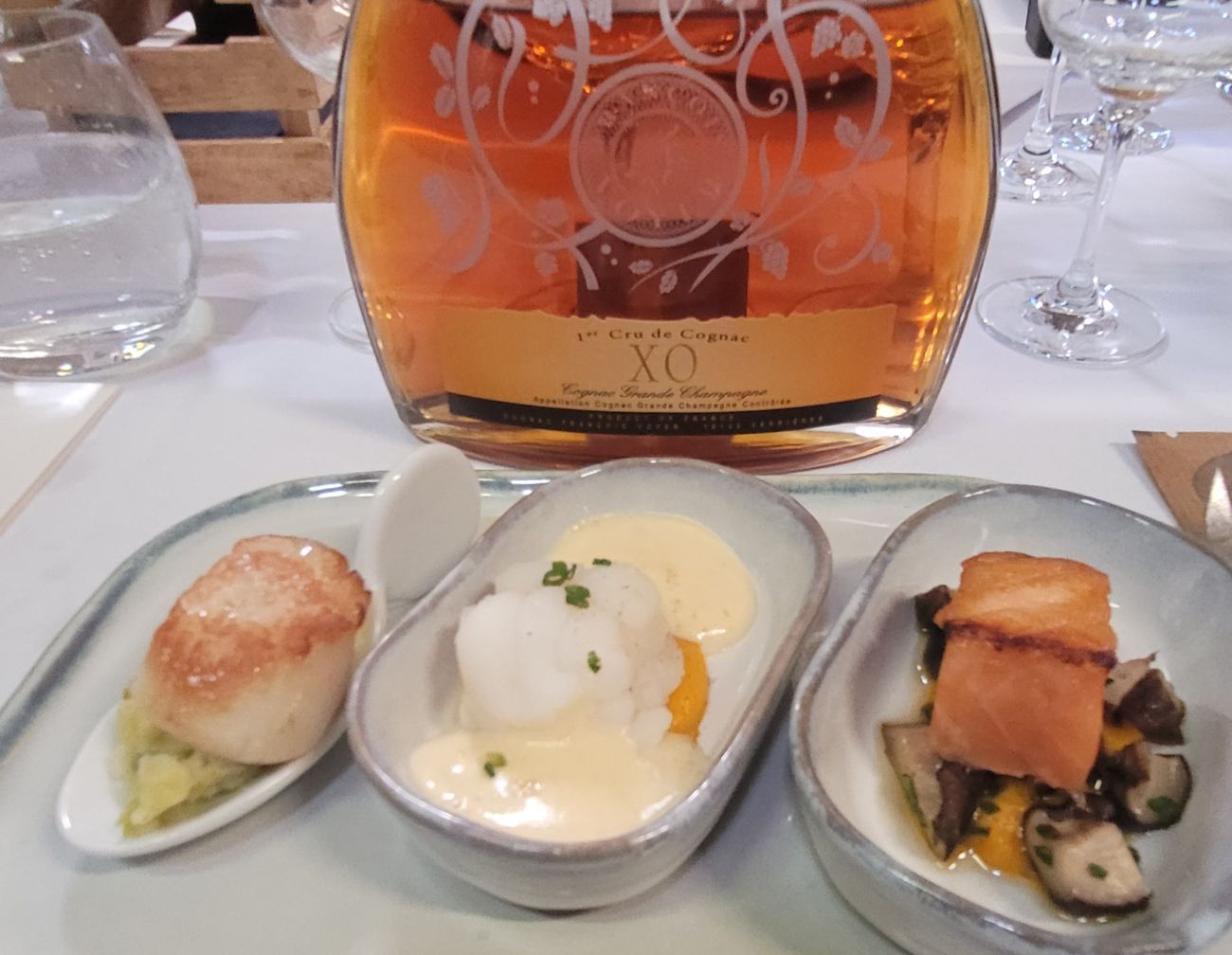
Which Cognac Is Right for You?
Cognac is an incredibly versatile spirit. Younger bottlings tend to be fruitier, with plenty of freshness, and are highly versatile. The flavor depends heavily on age and aging conditions.
A Cognac VS tastes fresh, fruity, and lively, perfect for cocktails. A Cognac VSOP is harmonious, smooth, and perfect for sipping neat. A Cognac XO is deep, spicy, and silky on the palate, the embodiment of a great Cognac. And Cognac XXO is considered especially luxurious, with notes of chocolate, cigar box, and fine spices.
Whether neat, on the rocks, or in a cocktail: whatever you enjoy is fair game. Just know that ice can slightly mute the delicate aromas. Aim to serve Cognac at around 64°F. Most Cognacs sit at around 40 percent alcohol.
Cognac Production and Oversight:
Cognac quality is overseen by the BNIC (Bureau National Interprofessionnel du Cognac). This organization brings together winemakers, distillers, and trading houses. They set the rules for Cognac production, monitor its composition, and promote knowledge of this exceptional spirit around the world.
What's the Difference Between Cognac and Brandy?
A common question is what sets Cognac apart from brandy in general. It's simple: every Cognac is a brandy, but not every brandy is Cognac. Here's a quick overview for you:
Cognac Characteristics:
- Origin: Charente, France
- Grape varieties: Ugni Blanc, Folle Blanche, Colombard
- Distillation method: double pot still distillation (pot charentaise)
- Minimum aging: 2 years
- Quality designations: VS, VSOP, XO, XXO
- Minimum alcohol content: 40% ABV
Other Brandies and Their Characteristics:
Other famous brandies besides Cognac include Armagnac and Brandy de Jerez, which also follow strict regulations.
Armagnac:
- Origin: Gascony, France
- Grape varieties: Ugni Blanc, Baco, Folle Blanche, Colombard
- Distillation method: single distillation (column still)
- Minimum aging: 2 years
- Quality designations: VS, VSOP, XO
- Minimum alcohol content: 40% ABV
Brandy de Jerez:
- Origin: Andalusia, Spain (distilled in central Spain)
- Grape variety: Airén
- Aging: in Andalusia, using sherry solera systems
- Minimum alcohol content: 38% ABV
Austrian Weinbrand:
- Origin: Austria
- Base: wine, no specific grape variety defined
- Aging: at least 1 year, or 6 months for barrels under 264 gallons
- Minimum alcohol content: additives permitted, minimum 36% ABV