Gin Varieties: What Types of Gin Are There?
- The three main gin varieties: Dry Gin, London (Dry) Gin, and distilled Gin.
- Classic Gin: Characterized by a pronounced juniper note with reduced, carefully coordinated botanicals such as coriander seeds, angelica root, and fresh citrus fruits.
- Good Gin: Distinguished by the prominent juniper flavor, a harmonious flavor profile, quality base alcohol, and natural rather than artificial aromas.
- Gin Seminar in Nuremberg: Gelbes Haus offers you an unforgettable gin seminar in Nuremberg where you learn all about the best gin varieties.
What once started as Dutch Genever has evolved into one of the most exciting spirits worldwide. The basis is always juniper, but the variety of botanicals like coriander, citrus zest, or exotic spices creates the individual character of each gin variety. The various gin flavor profiles make gin a real experience in a glass. Nowadays, there are not only classics, but also plenty of unique gin varieties that surprise with new flavors and ideas. But what actually makes a good gin, and what distinguishes them from each other?
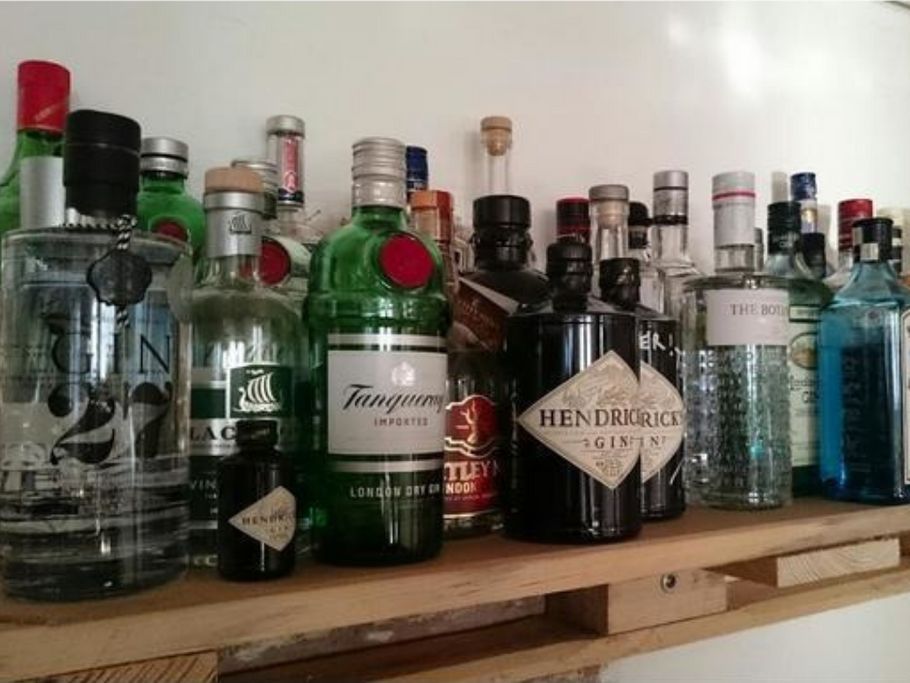
What are the three main types of gin?
The EU officially distinguishes three main types of gin, each with its own characteristics:
Gin Variety | Flavor | |
|---|---|---|
Dry Gin | Made from grain alcohol, flavoring with botanicals allowed. Artificial additives like flavorings and sugar up to 0.1 g per liter are possible. | Clear juniper note, predominantly classic and spicy taste. |
London (Dry) Gin | Botanicals are distilled together, no post-distillation flavoring. Sugar addition up to 0.5 g per liter allowed. | Dry, intense, with strong juniper and citrus note. Very purist. |
Distilled Gin | Distilled at least twice, botanicals added during distillation. No flavoring after distillation permitted. | Classic or modern interpretation, often very aromatic, with fine structure. |

Beyond these three main categories, there are several other exciting variants that delight gin lovers in their own way.
- Old Tom Gin brings a charming retro vibe with its slight sweetness and is perfect for classic cocktails.
- With New Western Dry Gin, the juniper deliberately takes a back seat so unusual botanicals like lavender, rosemary, or cucumber can take center stage.
- Sloe Gin becomes fruity, a blackthorn liqueur on a gin base, which is especially great neat or as an aperitif.
- Navy Strength Gin with its high alcohol content of at least 57 percent is the right choice for anyone who likes it stronger in the glass.

What is classic gin?
These varieties are characterized by a pronounced juniper note that dominates the aroma and is responsible for the typical gin taste. The botanicals used are deliberately reduced and carefully coordinated. Frequently found here are ingredients such as coriander seeds, angelica root, and fresh citrus fruits.
The goal is to create a good gin in which no single ingredient stands out too much. Classic gin varieties stand for tradition and the origins of the spirit.
For classic gin varieties, exotic experiments and modern games are eschewed. Exactly that makes them the first choice for many when it comes to a special gin.
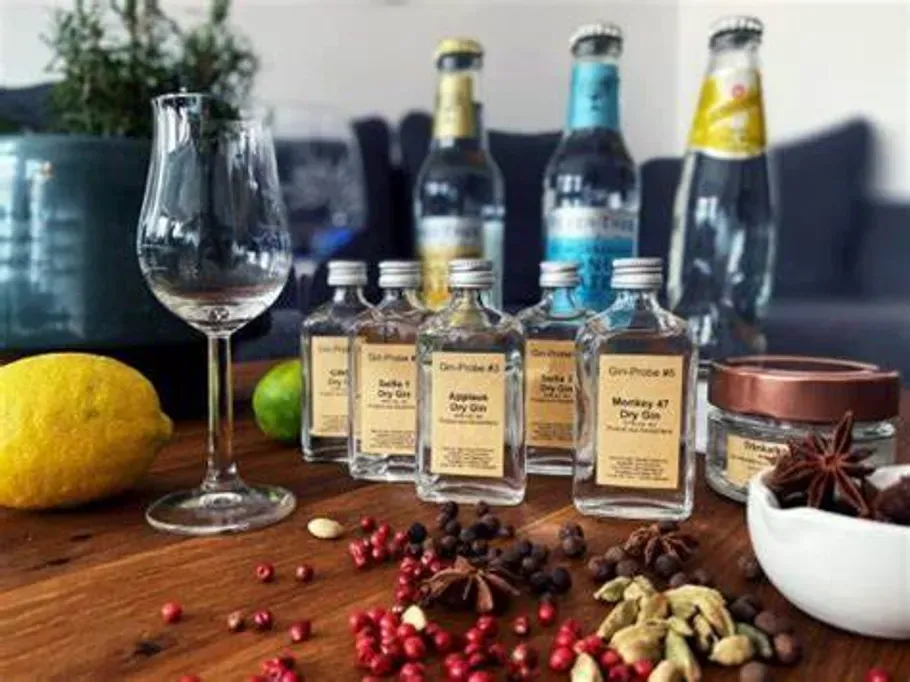
How do you recognize a good gin?
Not every gin on the shelf is automatically a good gin. But there are some clear characteristics by which you can tell whether it's a high-quality gin - regardless of whether it's classic, modern, or one of the many special gin varieties.
Juniper takes center stage
A good gin is characterized by a clear juniper note. It forms the foundation and should be noticeable, but not intrusive. Other botanicals such as citrus, herbs, or spices round out the aroma without masking the juniper.
Harmonious flavor profile
The best gin varieties score with a balanced interplay of all ingredients. No single note should dominate.
Quality of the base alcohol
A neutral, clean alcohol is the basis for every good gin variety. Only pure raw material brings out the fine aromas of the botanicals properly.
Natural aromas instead of artificial additives
High-quality gin varieties rely on real ingredients. The aromas come from herbs, fruits, or roots, not from the laboratory. Excessive sweetness or artificial notes are a no-go.
The distiller's handwriting
With the really good gin varieties, you feel the idea behind it. The selection and combination of botanicals follows a concept that the master distiller implements with experience and feel. This is where the exciting gin differences emerge that set one variety apart from the next.