What Is Absinthe? Everything You Should Know About It
- What is absinthe: Absinthe is a high-proof, flavored herbal spirit with an intense, slightly bitter taste, once banned and now legal again.
- The three types of absinthe: classic absinthe, Czech-style absinthe, and modern aged absinthe.
- Three absinthe cocktails: the Absinthe Mule, Death in the Afternoon, and Sazerac with Absinthe & Cherry Syrup.
- How to drink absinthe: with sugar, water, or neat.
- Try absinthe yourself: Join the absinthe tasting in Berlin at RedRum Bar.
Absinthe is a spirit steeped in tradition, ritual, and history. With its high alcohol content and distinctive aroma, absinthe is more than just a drink: it's an experience in a glass.
What Is Absinthe?
Absinthe is a high-proof, flavored spirit known for its green color and reputation as a once-"forbidden drink." It's made with ingredients including wormwood, anise, and fennel. For a long time, absinthe was banned, but today it's legal again in many countries. Its flavor is intense, herbaceous, and slightly bitter.
What Does Absinthe Taste Like?
Absinthe is an especially versatile spirit, and that's reflected in its flavor too. It's hard to pin the category down to a single profile. Absinthe's taste depends on several factors: alcohol content, color, and even the drinking method vary depending on origin and recipe.
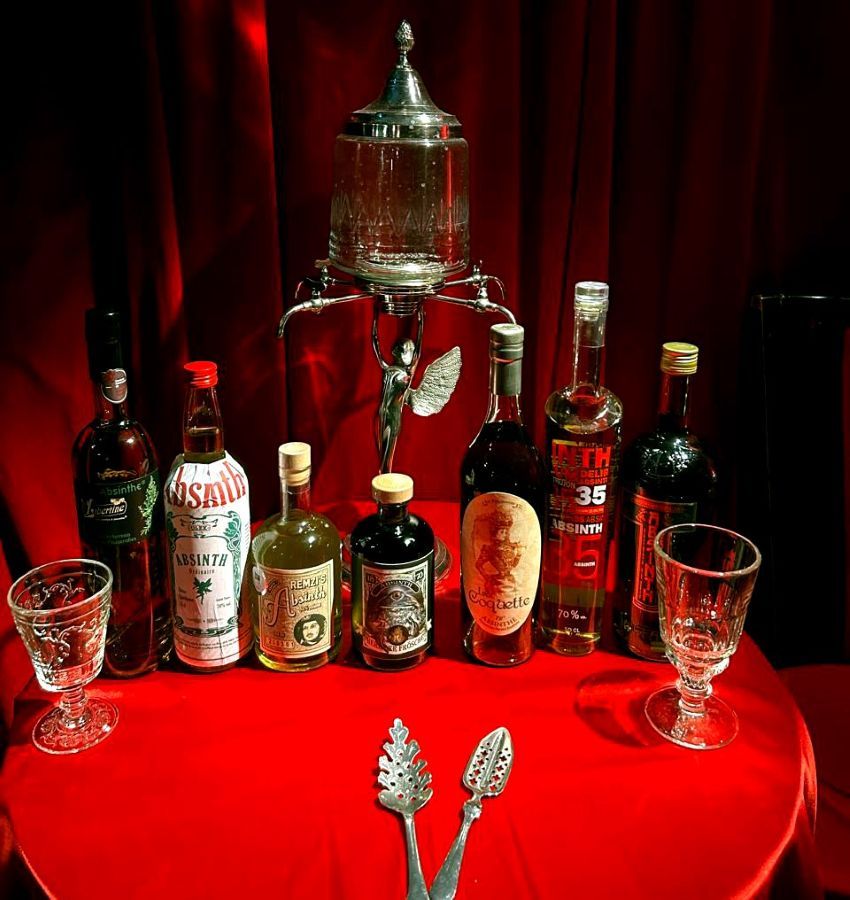
- Classic absinthe - Classic absinthe originated in Switzerland and stands out for its bold combination of anise and wormwood. Its characteristic flavor is herbaceous, slightly bitter, and refreshing at the same time.
- Czech-style absinthe - Czech-style absinthe emerged in the 1940s, when absinthe wasn't banned in Czechoslovakia, unlike in many other countries. Due to a shortage of raw materials, this version contained little to no anise, which made the flavor especially bitter, and the alcohol was often lower quality.
- Modern aged absinthe - Modern absinthe is increasingly aged in wooden barrels, usually with a lower alcohol content of 40 to 55 percent. This newer style largely skips the anise, giving the flavor a much more mineral-forward, warmer, and rounder character.
These aged absinthe styles taste somewhat similar to bourbon or cognac and are great enjoyed neat or on the rocks.
What Influences the Flavor of Absinthe?
Absinthe's flavor depends heavily on the botanicals used, the amount of anise and wormwood, and the alcohol content. Classic absinthe usually reaches its full flavor potential between 67 and 76 percent ABV. Below that, it can taste weak, which paradoxically can make the absinthe feel harsher.
Czech-style absinthe usually sits between 60 and 70 percent ABV, while modern aged absinthe, at 40 to 55 percent, is noticeably milder. These differences affect not just the flavor, but also how absinthe is meant to be enjoyed: neat, with water, or with sugar.
How Do You Properly Drink Absinthe?
The right way to drink absinthe depends heavily on the style. Each version comes with its own ritual. But one rule always applies: drinking absinthe neat should be done mindfully, never as a shot! Otherwise, you'll miss out on the flavor, the ritual, and the style absinthe is famous for. Here's an overview of how absinthe is typically enjoyed, depending on the type:
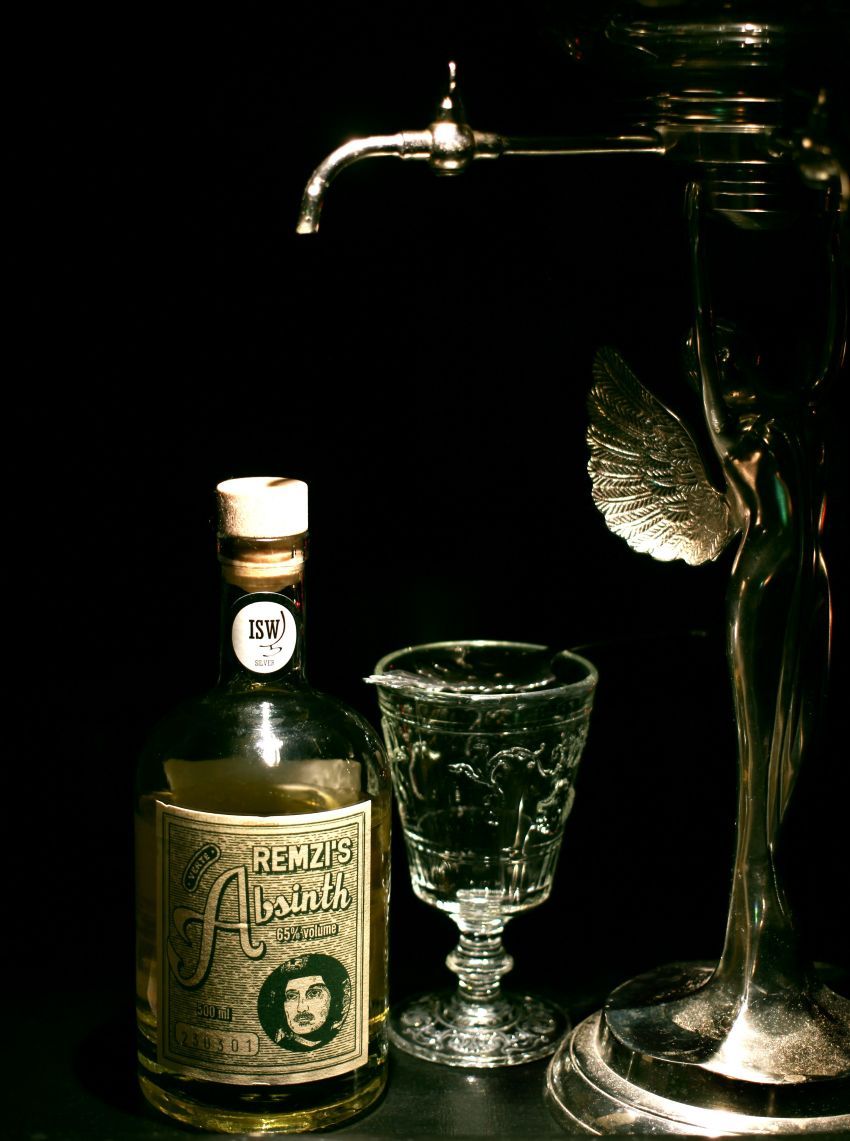
- Classic absinthe - Traditionally, classic absinthe is prepared using an absinthe fountain. Ice-cold water drips at a 1:2 ratio over a sugar cube into about 1.5 oz of absinthe. The so-called louche effect creates a milky, aromatic drink where anise and wormwood truly shine. This is how absinthe's signature flavor unfolds in its most elegant form.
- Czech-style absinthe - This style is famous for its flaming ritual: sugar is caramelized over the glass, and the absinthe is briefly set alight. The heat mellows the bitter flavor and adds a caramelized sweetness. This method is popular for anyone who finds drinking absinthe neat too intense.
- Modern aged absinthe - For aged varieties with a lower alcohol content, simply serving it neat or on the rocks is often enough. This style is especially approachable for beginners.
Why Was Absinthe Banned?
The widespread belief that absinthe was banned because it causes hallucinations is only half true. While absinthe does contain thujone, a compound often associated with psychoactive effects, its concentration in absinthe never exceeded 300 mg/l. To achieve hallucinogenic effects, you'd need to consume far more than 350 mg of thujone, a level no absinthe has ever come close to reaching.
The real reason behind the ban was actually economic. After a phylloxera outbreak devastated vineyards, wine became scarce and expensive. Absinthe was cheaper, popular, and temporarily pushed wine out of the market. Once wine production recovered, the wine lobby took drastic measures, pinning the blame on thujone and various social scandals.
On top of that, a questionable trend spread through Paris and London: dripping a few drops of laudanum (an opium-based narcotic) onto the sugar cube, which further damaged absinthe's reputation. As a result, the drink was banned in most countries until the 1910s. Only in Czechoslovakia and Spain did sales remain legal throughout.
Is Absinthe Really That Dangerous?
The question of whether absinthe is dangerous has a clear answer: no, at least not more dangerous than other alcoholic beverages. Modern regulations require that absinthe produced in the EU contain no more than 35 mg of thujone per liter, and in the US, the limit is even stricter at 20 mg. So the often-cited psychoactive compound is only present in harmless amounts.
Absinthe's ingredients are natural herbs like wormwood and anise, and most varieties are low in sugar. What matters is avoiding absinthe with artificial coloring or overly bright colors (green or blue), which often contain artificial additives.
A classic absinthe at 72 percent ABV, diluted 1:2 with water, comes out to about 24 percent alcohol, less than what's in a Negroni.
Three Popular Absinthe Cocktails
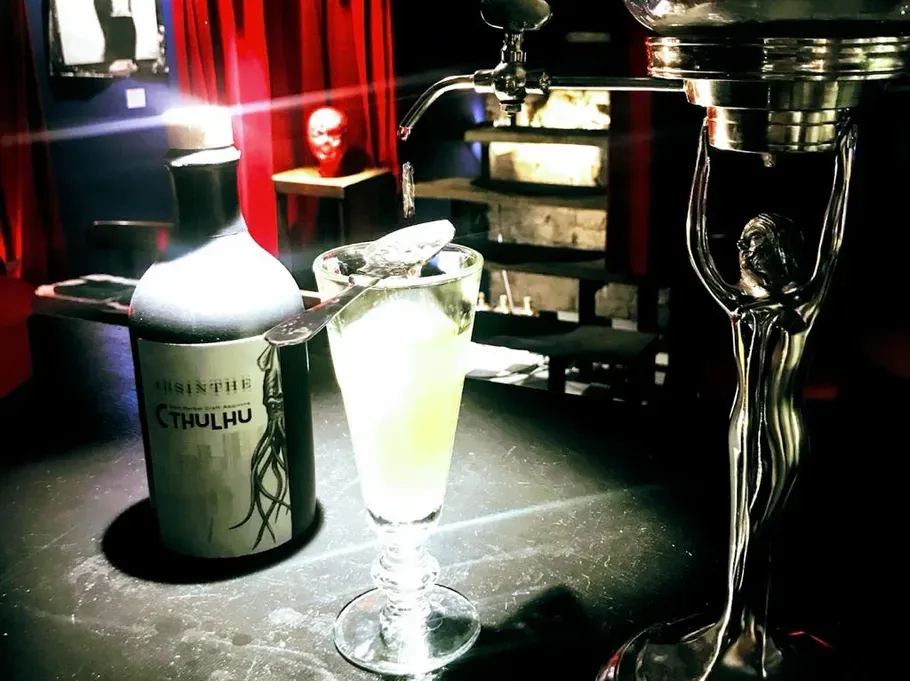
Here are three absinthe cocktail recipes for you to try:
1. Absinthe Cocktail: Absinthe Mule
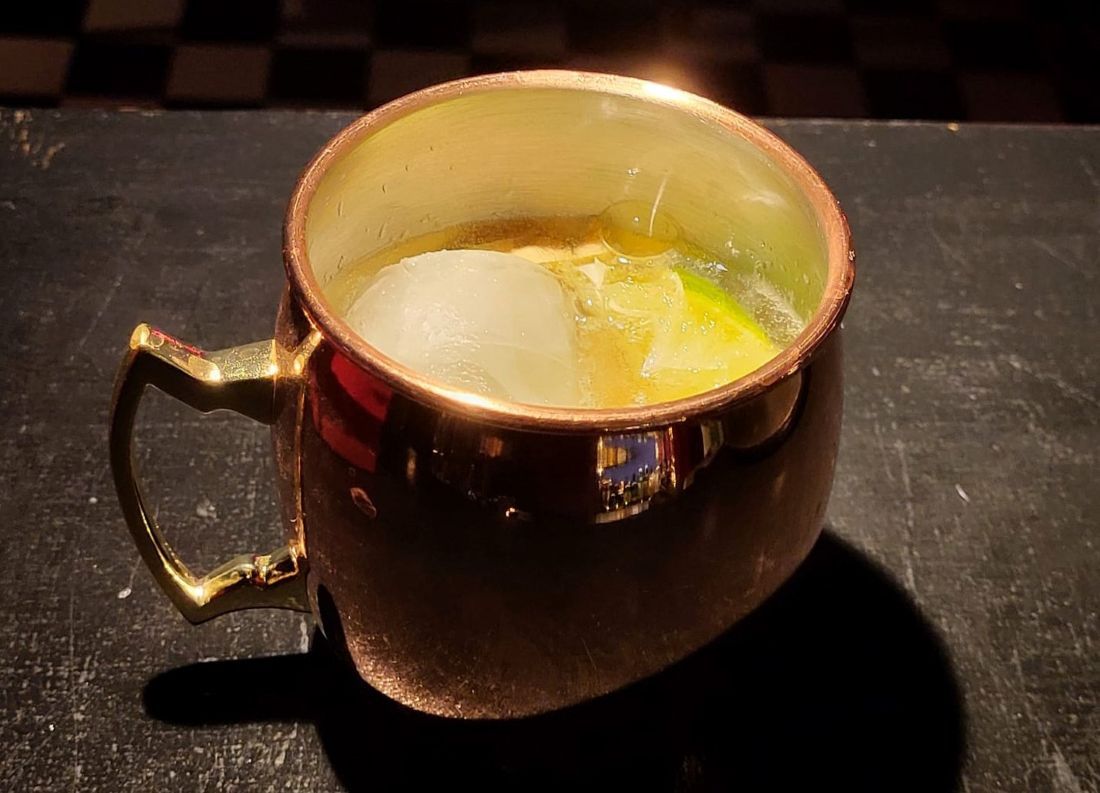
Ingredients:
- 1.5 oz absinthe (60% ABV)
- 7 oz ginger beer
- 1 dash bitters
- 2 slices fresh cucumber
- 2 slices fresh ginger
- 1 slice fresh orange
- Large ice cubes or 3-4 medium ice cubes
- Copper mug
Preparation:
- Fill the copper mug with ice cubes.
- Add the cucumber and ginger slices, plus the orange slice, to the mug.
- Pour 1.5 oz absinthe over the top.
- Add a dash of bitters.
- Top with 7 oz ginger beer.
- Stir gently, then garnish with a sprig of mint or extra cucumber.
2. Absinthe Cocktail: Death in the Afternoon
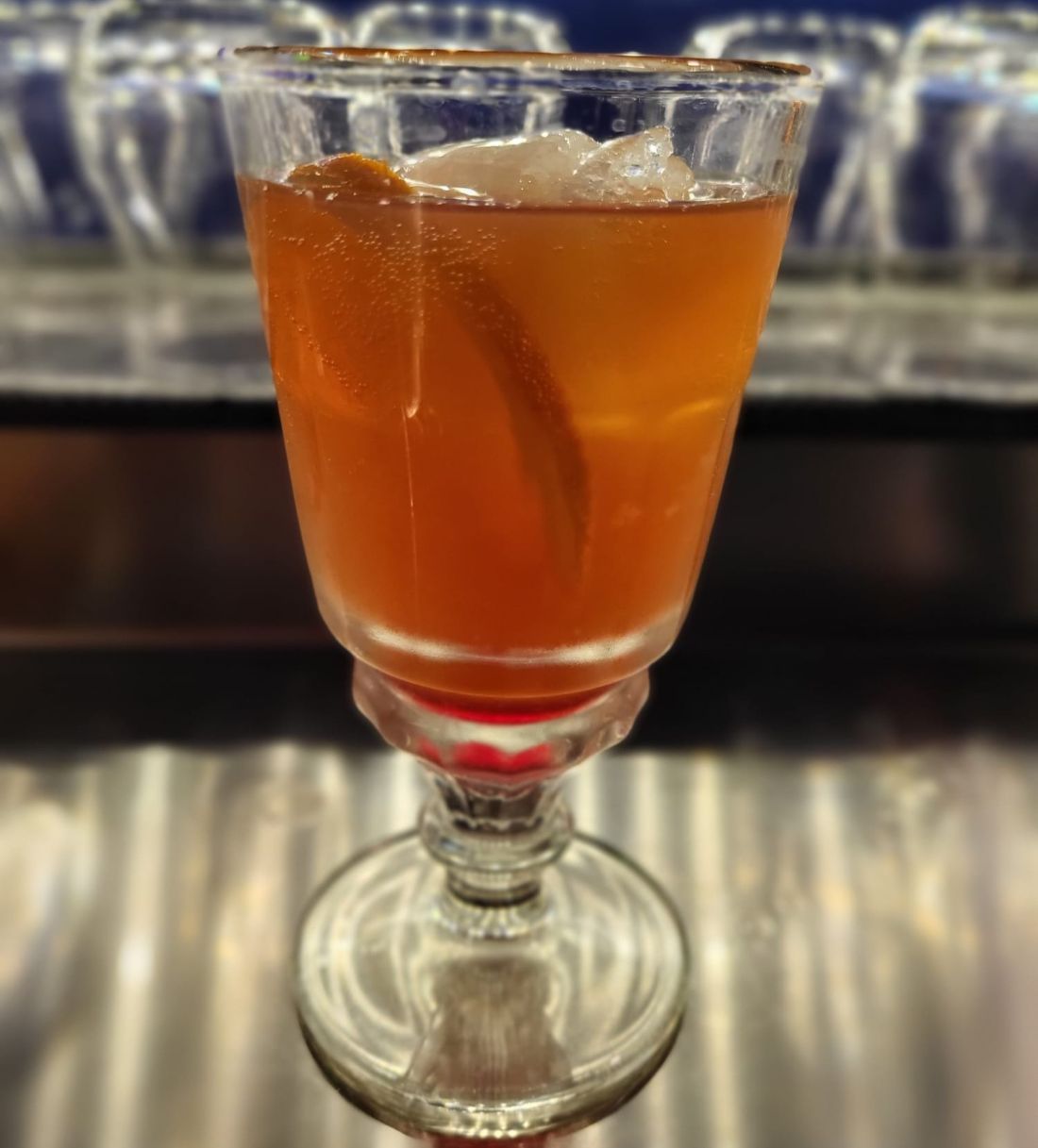
Ingredients:
- 0.7 oz Libertine Fleur d'Absinthe (60% ABV)
- 0.7 oz Mata Hari absinthe (60% ABV)
- 3.7 oz dry Prosecco
- A few drops of grenadine syrup
- Ice cubes
- 1 orange slice
- Large absinthe glass
Preparation:
- Add ice cubes to a large absinthe glass.
- Pour the Libertine and Mata Hari absinthe over the ice, one after the other.
- Gently top with 3.7 oz Prosecco.
- Finally, slowly drizzle in the grenadine, it will sink and create a decorative color effect.
- Garnish with a fresh orange slice and serve immediately.
3. Absinthe Cocktail: Sazerac with Absinthe & Cherry Syrup
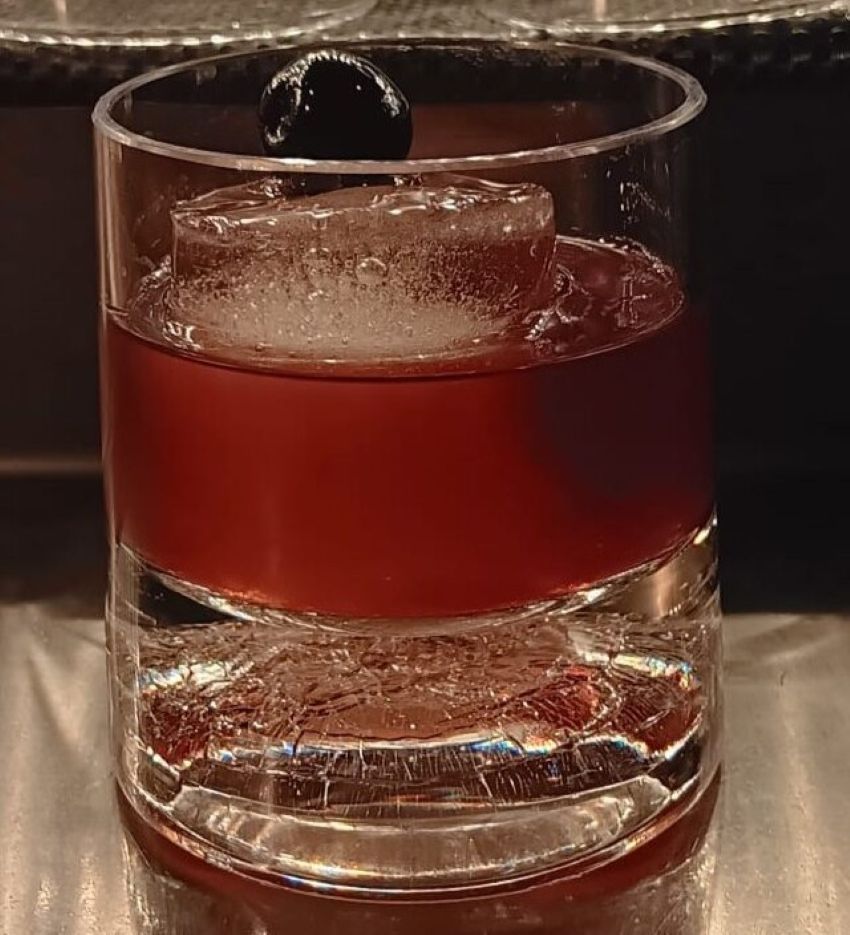
Ingredients:
- 1.7 oz rye whiskey
- 1 tsp absinthe
- 1 tsp cherry syrup
- 2 tsp water
- 3 dashes cherry bitters
- 3 dashes bitters
- 1 maraschino cherry
- Large ice cubes
- Old Fashioned glass
Preparation:
- Place large ice cubes in an Old Fashioned glass.
- Pour the whiskey and absinthe over the ice.
- Add the cherry bitters and bitters.
- In a separate container, mix the water and maraschino cherry syrup thoroughly.
- Slowly add the mixture to the glass while stirring continuously.
- Garnish with a maraschino cherry and serve ice cold.