Rum Production – What Is Rum and What Is Rum Made From?
Rum production comes with a fascinating history that still shapes how rum is made today. So if you're curious what rum is made from and want an answer to the question "What is rum?", you're in the right place. Learn all about rum's base ingredients, how rum is made, and what makes this spirit so special. Discover {nrEvents} rum tastings in Germany and Austria.
How Did Rum Come to Be?
Rum, the favorite drink of pirates. Even today, this spirit remains hugely popular. But what exactly is rum, what's it made from, and where does it originally come from? Unfortunately, we owe rum's origins to a rather sad history:
After Christopher Columbus set sail to conquer new worlds, the Caribbean islands didn't escape that fate either. Sugarcane seedlings were on board too, for a very specific reason: people hoped the climate conditions of the Caribbean islands would allow sugarcane to be grown there.
The enslavement of the native population then forced them to cultivate these plants. As you might imagine, the conditions were inhumane, which made production even harder. Because of this, African slaves were brought to the Caribbean islands to work the sugarcane plantations. Roughly half didn't survive the journey.
Learn more about the history of rum and join a tasting near you, or online.


Alcohol as Fuel and Reward
Over time, people discovered that sugar syrup begins to ferment fairly quickly when mixed with water and fibrous plant matter. Since this drink had properties similar to alcohol, the native population drank it deliberately to help endure the labor. The colonizers encouraged this and also used it as a reward for successful work.
At the same time, France and the Netherlands began producing alcohol in the form of distilled spirits. Before long, the first copper stills were sent to the Caribbean, where workers fermented and distilled the leftover sugarcane waste. This is how the first version of what we now call rum came to be.
What Is Rum Made From?
What is rum made of? As the history of rum already suggests, sugarcane is the main ingredient in rum, and therefore the essential foundation for making it. Producing rum is still a labor-intensive process today. As in the past, sugarcane is usually harvested by hand, which takes not only a lot of time but also a lot of effort. But what else goes into making rum? Two more ingredients are needed.
How Is Rum Made?
There are two ways rum can be made: either using sugarcane juice or molasses.
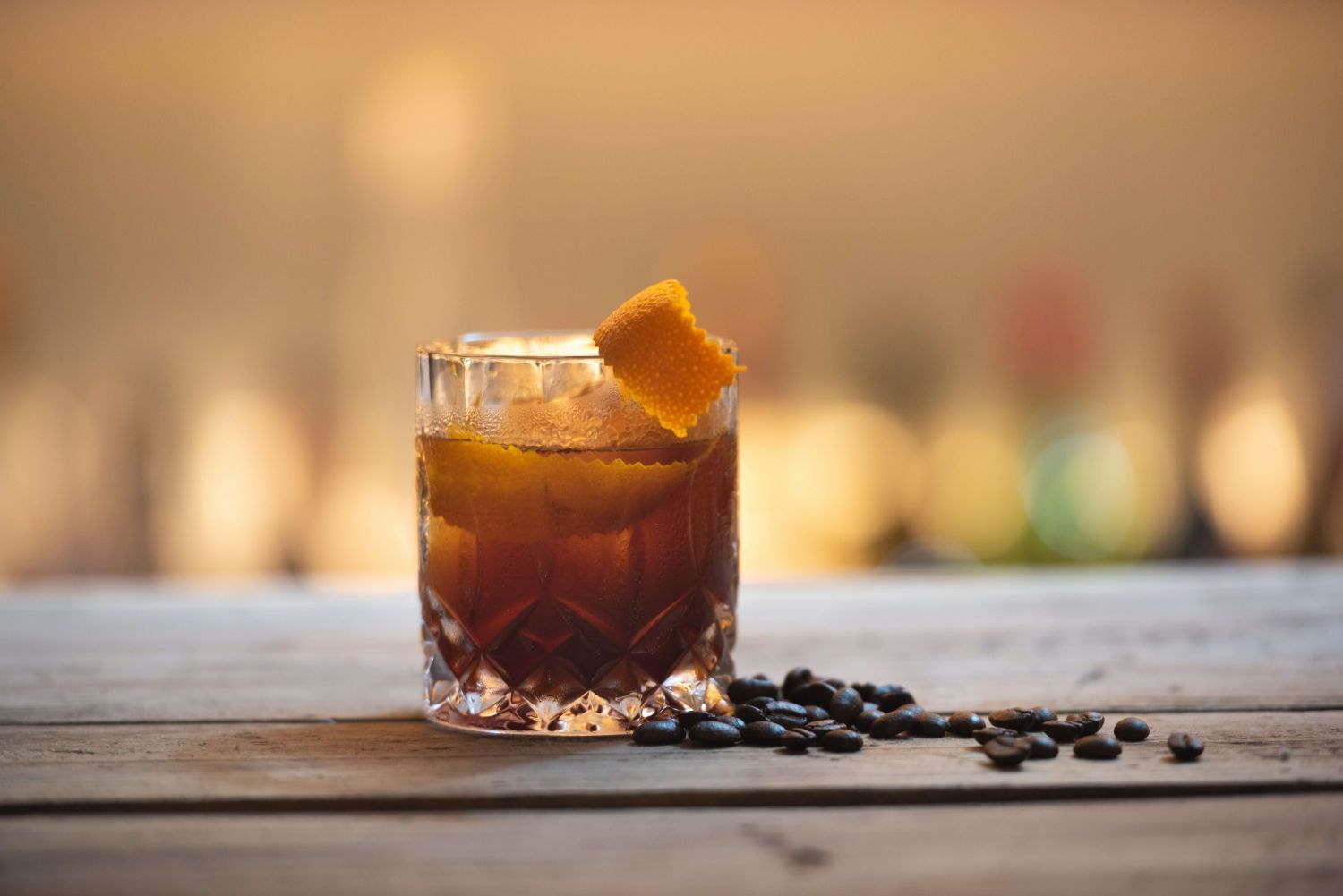
Want to not just learn how rum is made, but also taste this fine spirit yourself? Try different rum varieties at our tasting and learn plenty of interesting facts about this spirit.
Rum Production with Sugarcane Juice
Rum made from sugarcane juice is called rhum agricole. It's typically produced on Caribbean islands. The sugarcane stalks are chopped into small pieces and pressed to extract the juice.
Before the juice is further processed, it must first be purified, removing any suspended particles, since these can be harmful to health. This purified sugarcane juice becomes the base for the next stages of rum production.
Rum Production with Molasses
Molasses is a byproduct of sugar production and forms the base for what's called rhum industriel. Here, the sugarcane is crushed and pressed to extract the juice.
The sugarcane juice is then boiled down into a syrup. This boiling process is repeated several times until sugar crystals form. Once no more sugar crystals form, this step is complete. Two things remain at the end: crystallized sugar and molasses. Molasses is a dark, thick, syrupy substance that can also serve as the base for further rum production.
Fermenting Rum
The sugarcane juice or molasses is fermented using yeast. During this process, the sugar is converted into alcohol. Fermentation usually takes 1-2 days to complete, though it can occasionally take longer. Once fermentation is complete, the liquid is ready for distillation. At this point, the alcohol content is around 5%-10%.
Distilling Rum
The goal of distillation is to increase the alcohol content to at least 70%-95%. The liquid produced by fermentation (also called mash) is heated so intensely during distillation that the alcohol evaporates.
In this process, the mash is essentially separated into its individual components, volatile and non-volatile substances. Non-volatile substances can't evaporate and remain in the mash. The volatile substances are water, alcohol, and acids. There are two different distillation methods used: continuous and batch distillation.
Batch Distillation of Rum
Here, the mash is distilled in a still, also called a pot still. The mash is loaded in batches and distilled, which is labor-intensive but worth it for the high-quality result.
The still is typically heated over an open flame. This process involves two distillation runs, after which you end up with a distillate that has an alcohol content of over 20%. The resulting liquid retains all the desired flavor compounds along with the alcohol.
Continuous Distillation of Rum
This method uses a column still. The mash is continuously fed into the column and distilled. It's poured in from the top while steam rises from below. This steam heats the mash, causing the alcohol to evaporate before the mash reaches the bottom.
Continuous distillation is less labor-intensive and therefore offers a bigger advantage than batch distillation. However, it often sacrifices some of the flavor compounds that batch distillation would otherwise preserve.
Overview of Rum Distillation
Continuous Distillation of Rum | Batch Distillation of Rum |
The mash is distilled in a column still | The mash is distilled in a pot still |
The mash is fed in continuously | The mash is loaded in gradually, in batches |
This method is fairly low-effort but produces less flavor | This method is labor-intensive but produces higher-quality rum |
You've now learned the theory, but want to dive into the world of rum hands-on too? Then sample different rums at our tasting and experience a true explosion of flavor.
How Is Rum Aged?

After distillation, rum can technically already be diluted down to drinking strength. However, this version is usually not very high quality. The liquid at this stage is fairly colorless and is called white rum. It's often used by bartenders for mixing cocktails.
True rum enthusiasts, though, would likely prefer dark rum, often also called aged rum. This is aged in used white oak barrels, which are naturally cleaned and charred beforehand. These wooden barrels also draw out unwanted substances from the distillate, which is why this type of rum is considered higher quality. Unlike steel tanks, wooden barrels allow flavors from other spirits to transfer into the rum, which often results in an interesting flavor note.
Climate also plays a role in aging. Tropical climates help the distillate become even more complex and well-rounded, which is why rum aged in such regions needs less time to mature. In general, though, the longer rum ages, the higher its quality becomes. At our tastings, you'll quickly discover what sets high-quality rum apart from lower-quality varieties.
Aging Rum
Aging Rum in Steel Tanks | Aging Rum in Wooden Barrels |
This type of rum has less flavor | White oak barrels release flavor into the rum |
Less interesting flavor notes | Wooden barrels draw out unwanted substances from the distillate |
How Does Dark Rum Form?
Dark rum forms through aging clear, white rum in oak barrels, where it absorbs color, flavor, and aromas from the wood. The longer the rum is aged, the darker it becomes. Barrels previously used to age bourbon whiskey are typically used to produce dark rum.
Blended Rums – Mixing Different Rum Varieties
Here, several distillates are blended together to achieve the desired result. Master blenders are responsible for creating a high-quality blend. This involves mixing rums of different ages together, and often adding flavors and spices to enhance the taste even further.

Rum – A Drink for Connoisseurs
Rum is versatile and complex. There are many factors to consider in rum production, like the distillation process, climate, aging method, and the art of blending different rum varieties. But the effort pays off in flavor, which is why we can only recommend this spirit to true connoisseurs.