Table of contents
- 1. Equine-Assisted Coaching Is Not Therapy
- 2. Why Coaching With Horses Works
- 3. Equine-Assisted Leadership Training and Executive Coaching
- 4. The Horse Is a Partner — Not a Tool
- 5. Do You Need Training for This?
- 6. What Does the Experience Offer Beyond a Simple Conversation?

- Not Psychotherapy: Horse-assisted coaching is designed for personal and professional development—it is not a treatment for mental health conditions.
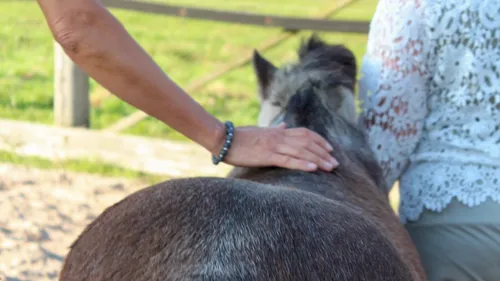
- A Mirror of Body Language: Horses react immediately and without judgment to one’s aura, presence, and distance. They instantly make blind spots in behavior tangible.
- Focus on Applying Insights to Daily Life: The benefits don’t come from a pleasant experience alone, but from targeted reflection and applying these insights to everyday life.
- Visit Marion Thishen-Hendess in Hamburg and book your own horse-assisted coaching.
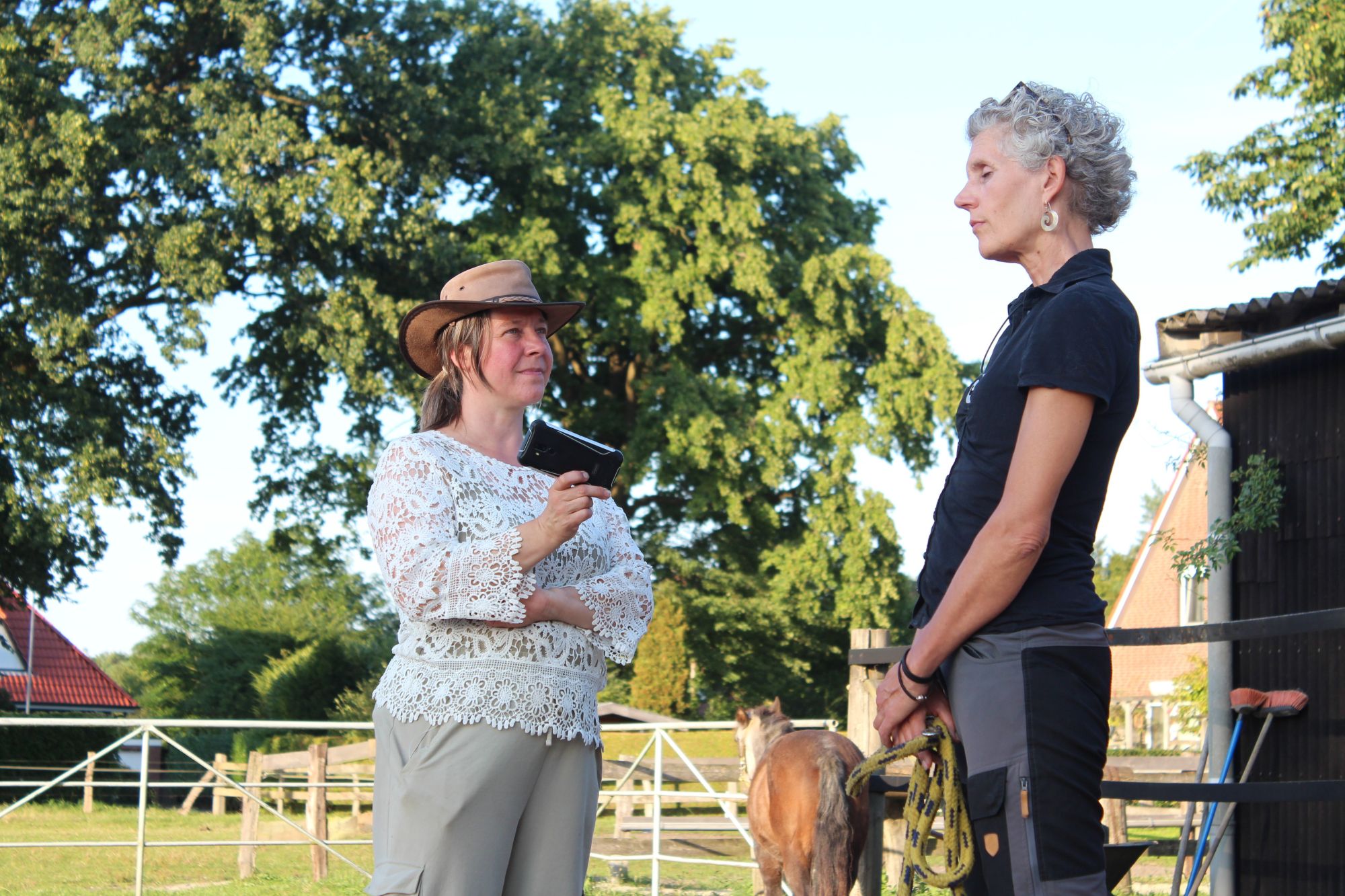
Horses, coaching, therapy — these terms get mixed up quickly. A critical comment prompted me to take a closer look and clear things up: what exactly is equine-assisted coaching, what can it achieve — and where are its limits?
“Why do you need a horse for that? You could just as easily work through it in a normal conversation.”
A fair question. And exactly why I want to give you a look behind the scenes of my work.
Equine-Assisted Coaching Is Not Therapy
Let's start with a crucial distinction: equine-assisted coaching is not psychotherapy and is not a substitute for medical or therapeutic treatment.
As a professional equine-assisted coach, I don't treat mental illness and I don't make diagnoses. While therapy provides healing support for illness, equine-assisted personal development focuses on people who want to grow through concrete personal or professional questions:
- Body language & impact: How do I come across to others, and how clearly do I communicate?
- Confidence & boundaries: How do I set boundaries and make courageous decisions?
- Self-assurance: How do I handle uncertainty, and what strengthens my presence?
- Leadership: How do I want to be perceived as a leader?
- Change: What's holding me back from taking the next step?
Equine-assisted personal development starts from questions of self-responsibility and personal growth. If it becomes clear during the process that someone needs therapeutic support, it's part of professional ethics to address this openly and refer them to the right specialists.
Why Coaching With Horses Works
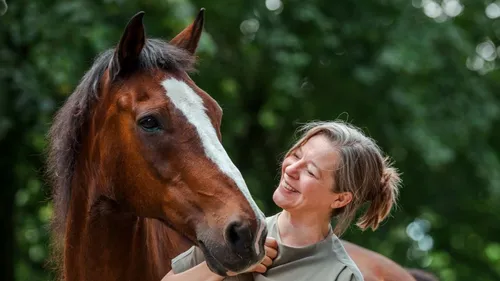
A common question is: why involve animals at all? The answer: in coaching with horses, we make use of the sensitive behaviour of herd and flight animals.
A horse couldn't care less what title we hold, how convincing we appear, or what role we're trying to play. It doesn't respond to a façade — it responds to what's genuinely present in the here and now:
- Immediate body language and physical tension
- Inner tension or calm
- Closeness, distance, and use of space
- Absolute clarity or unconscious hecticness
This creates honest, judgement-free feedback in equine coaching. It's never about mystically interpreting the animal's behaviour. Instead, we create a concrete practice situation that we observe together and reflect on systematically:
- What did you do in that interaction?
- What changed, and how did the horse respond to it?
- Where do you recognise this behaviour pattern from your professional or private life?
Equine-Assisted Leadership Training and Executive Coaching
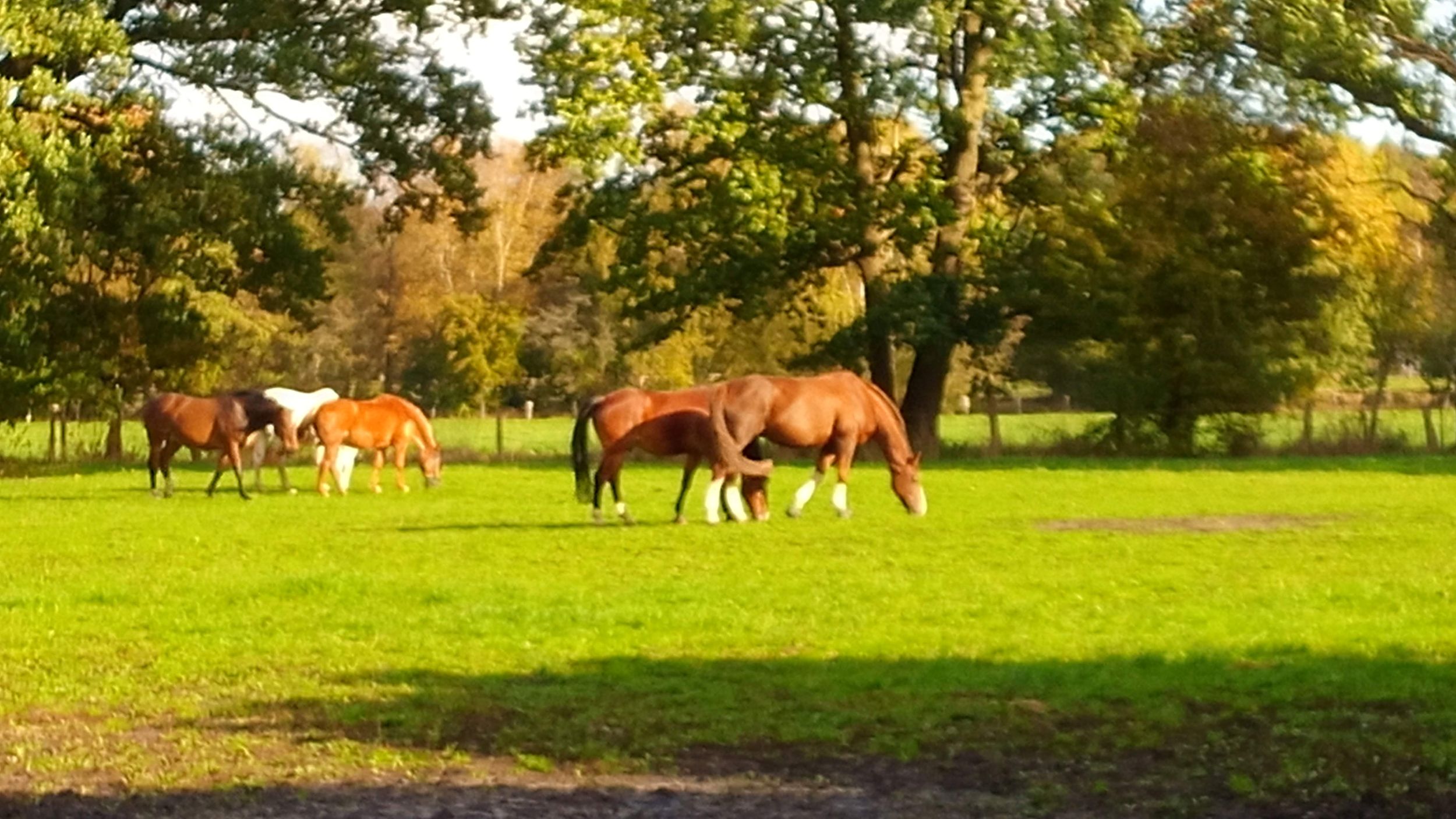
This method shows remarkable results, especially in a business context. Equine-assisted leadership training gives executives a protected space to test their individual leadership style free from hierarchical structures.
Equine-assisted executive coaching makes leadership tangible in the truest sense. Horses don't follow out of blind obedience — they follow natural authority, trust, and clarity. Executive coaching with horses makes blind spots in one's own communication immediately visible and helps build presence and assertiveness in a natural way.
The Horse Is a Partner — Not a Tool
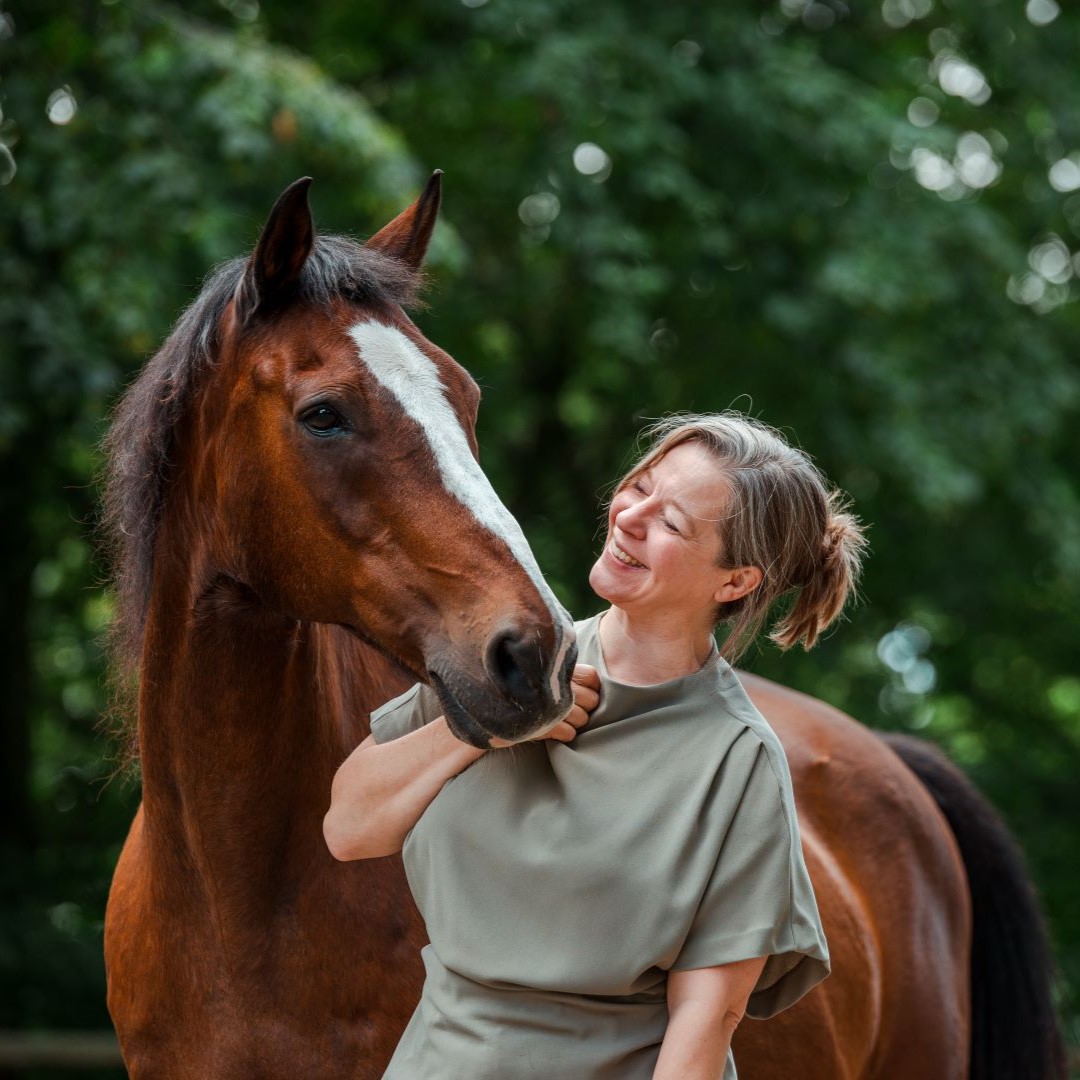
For all my enthusiasm, one principle is non-negotiable for me: the animal is not a tool, but a partner. The horse's wellbeing always comes first.
A horse doesn't have to “perform” just because a coaching session was booked. It needs the freedom, at any moment, to withdraw, create distance, and show its own boundaries. Responsible equine-assisted work therefore requires constant observation: Is the animal relaxed? Is it showing signs of stress? Is this situation right for this particular horse? If not, the situation is changed or ended.
Do You Need Training for This?
Since the term “coach” isn't a legally protected title in Germany, it's worth taking a close look at qualifications. Transparency is the foundation here.
I don't come from the typical “I decided to become a coach yesterday” background. I spent many years working in mid-sized companies — including in sales, client relations, and marketing — and spent a long time in leadership roles, HR development, and change management. Combined with training in coaching and communication, plus hands-on experience working with people and horses, I bring together field expertise with methodological know-how.
What Does the Experience Offer Beyond a Simple Conversation?
Of course, conversation is an essential part of my coaching. The difference is that we don't just discuss a situation — we experience it directly.
Instead of spending an hour talking theoretically about self-confidence, we create a sequence with the horse in which the person experiences firsthand how body language, presence, and clarity play out. Then comes the transfer: What was different? What worked? And how can it be carried over into everyday professional and personal life?
Because coaching only becomes truly sustainable when it leaves behind not just a pleasant hour, but new perspectives and concrete ways to act.