Grape Harvest – How the Grape Harvest Works
- What the grape harvest actually is: the grape harvest is the selective picking of ripe grapes, a precise, tradition-rich process centered on the quality, ripeness, and health of the grapes.
- Harvest season: the grape harvest in Germany usually begins in September and can extend into November depending on grape variety and region.
- What winemakers watch for during harvest: winemakers analyze factors like sugar content, acidity, aromatic ripeness, and weather to determine the perfect harvest timing.
- Your wine journey: join Julia Höffer on a wine tour, discover new wines, and learn everything about wine.
The grape harvest is arguably the most beautiful moment in the yearly cycle of Germany's wine-growing regions. This is when the official wine harvest, also called the grape picking or grape harvest, begins. The scent of ripe grapes, pressed right there in the vineyard or turned into Federweißer (young, partially fermented wine), fills the air. Especially along the Ahr or the Rhine, autumn is the perfect time for a wine tour. Visitors watch winemakers harvest grapes, experience the work on steep slopes firsthand, and learn exactly when the harvest starts and when grapes are ripe for picking. Anyone who experiences the grape harvest season firsthand gets a real sense of the passion and precision behind a good wine.
What Is the Grape Harvest?
The grape harvest refers to the careful picking of ripe grapes directly in the vineyard.
That's exactly what still happens today: through painstaking, often hand-picked harvesting, winemakers select only the best grapes to ensure the quality of the wine.
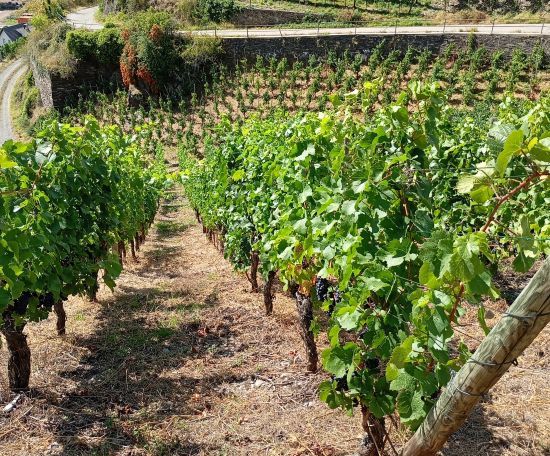
Depending on the vineyard site and grape variety, the timing of the harvest varies, since grapes only develop their full aroma once truly ripe. This precision in harvesting is what gives the resulting wine its intended character. Anyone wanting to harvest grapes needs expertise as well as plenty of patience.
Why Is It Called "Reading" the Grapes in German?
The German term for grape harvest, "Wein lesen" (literally "reading wine"), comes from an older meaning of the word, originally meaning "to gather" or "to select."
When Does the Grape Harvest Take Place?
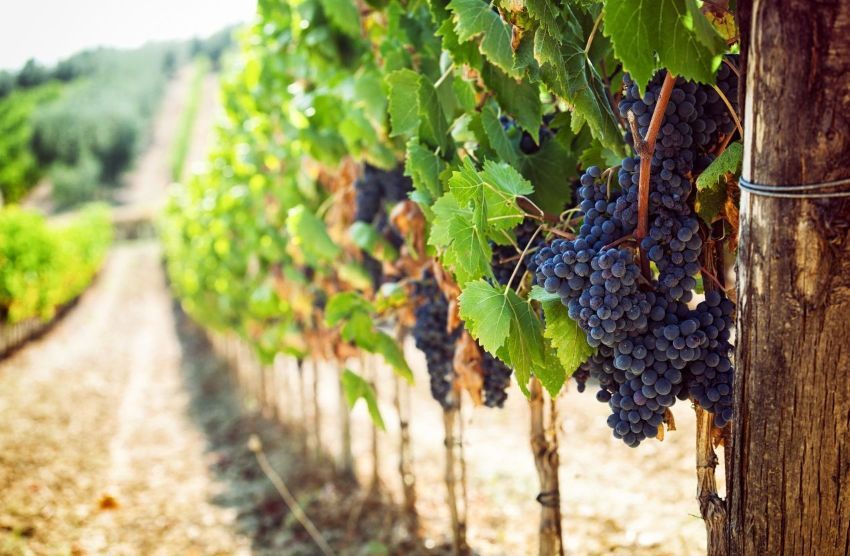
In Germany, the grape harvest traditionally begins in September and, depending on weather, grape variety, and region, can extend into October or even November. This makes harvest season part of the golden days of autumn, when grape-picking season reaches its peak. The exact timing of the harvest is crucial for the quality and style of the resulting wine.
From Early to Late – Grape Ripening Times
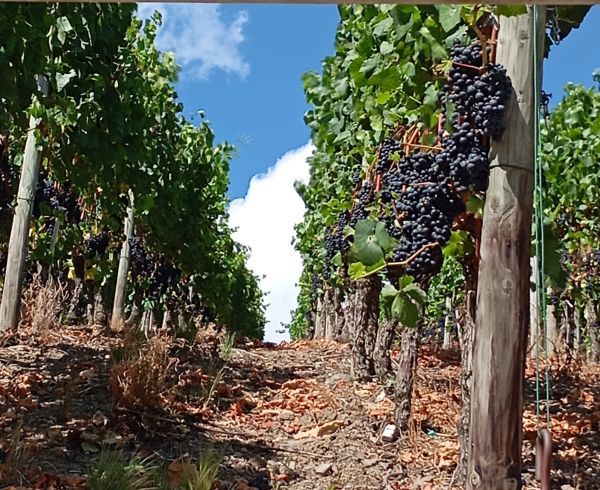
Early-ripening varieties like Müller-Thurgau can already be harvested in early September, a particularly early harvest that's usually done by machine. Noble sweet specialties like Trockenbeerenauslese, on the other hand, need considerably longer to develop their high sugar content, which is why they're often not harvested until late autumn. The timing of ripeness varies significantly depending on region and climate.
Example: In the cooler Ahr wine region, the grape harvest typically begins later than in sun-drenched Baden or Franconia. For wine lovers, this period is ideal for a wine tour, with freshly pressed Federweißer, full vines, and a stunning autumn landscape.
Why Harvest Timing Matters So Much
Ripe grapes contain especially high amounts of sugar. And the more sugar in the grapes, the higher the eventual alcohol content of the wine can be. During fermentation, yeast converts that sugar into alcohol. That's why the timing of the grape harvest directly shapes the wine's style, from sweet dessert wines to bold, dry wines.
Fun Fact: Winemaking in North Rhine-Westphalia
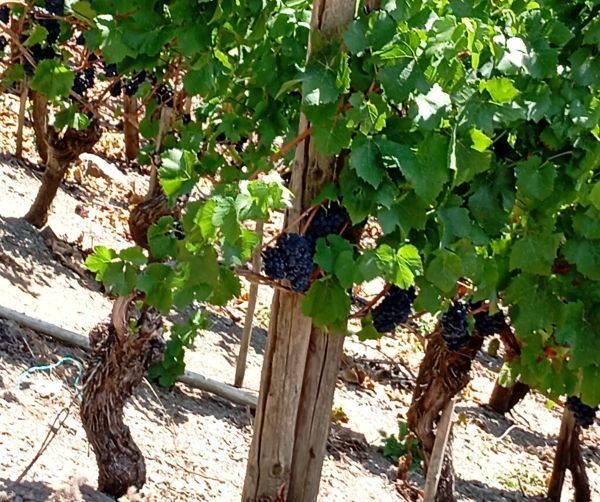
Did you know that North Rhine-Westphalia is also part of an official German wine-growing region? A small stretch of the Middle Rhine, between Remagen and Königswinter, is included. New urban vineyards are also emerging in Cologne, Düsseldorf, and Dortmund, they aren't among the 13 officially recognized wine regions, but they offer fascinating insight into modern urban winemaking. While small-scale grape harvesting is possible here, the wines are typically only allowed to be labeled "German wine" or "Landwein Rhein."
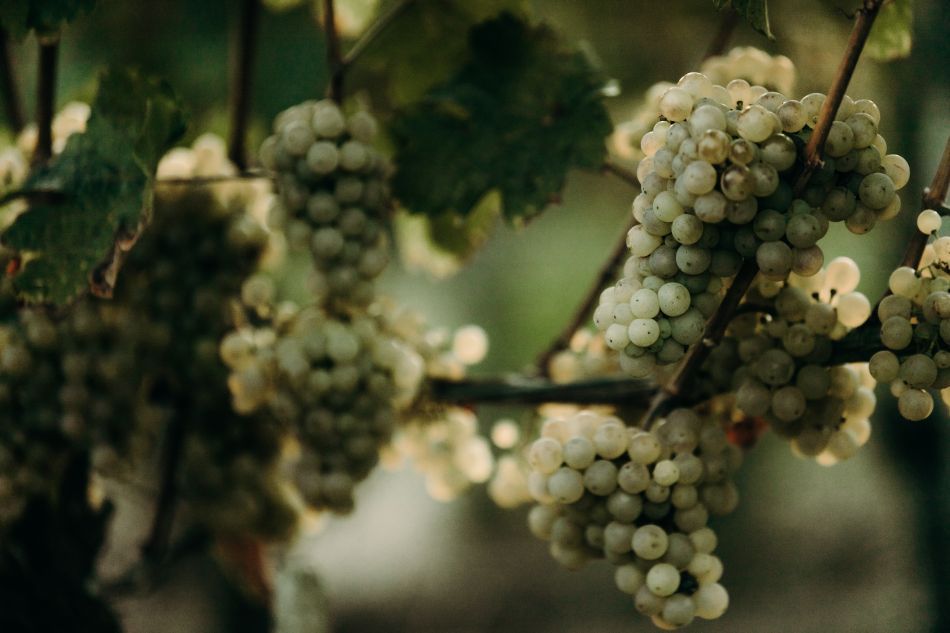
What Factors Do Winemakers Consider During Harvest?
The grape harvest is a balancing act between patience, experience, and science. Winemakers need to carefully observe when the grapes are ripe to determine the optimal harvest time. Several factors play an important role here:
What Do Winemakers Look For During Harvest?
- Sugar content: (measured in Oechsle degrees) using a refractometer or hydrometer directly in the vineyard to check how much sugar is in the grapes, this is essential for the wine's eventual alcohol content and style.
- Acidity levels: important for freshness, aging potential, and balance in the finished wine.
- Aromatic ripeness: only once grapes contain fully developed aromatic compounds does an expressive wine emerge.
- Grape health: rotten or damaged grapes must be sorted out.
- Weather forecast: poor weather can jeopardize the harvest, sometimes requiring an earlier pick.
Even a few days too early or too late can significantly affect the wine's quality.
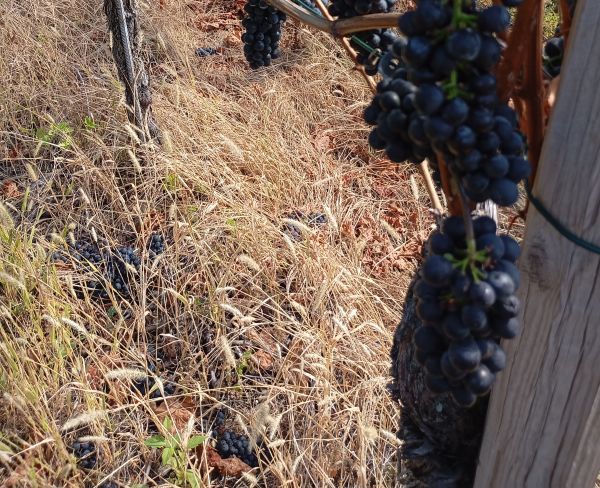
Hand-Picking vs. Machine Harvesting
Affordable and efficient, or perhaps better to stick with tradition?
Hand-Picking:
Traditional grape harvesting is done by hand, using scissors or a knife, especially for premium wines, delicate grape varieties, or steep vineyard sites like those along the Mosel or Ahr. Only this way can the very best grapes be selected with precision. That said, hand-picking is time-consuming and expensive, with around 150-300 labor hours per hectare, costs can quickly add up to $3,300-$6,600.
Machine Harvesting:
Modern harvesting machines shake the grapes loose from the vine through vibration. This method is fast, cost-effective ($330-$660 per hectare), and efficient. Newer models can even automatically detect and sort out rotten berries. Machine harvesting is ideally suited to flatter vineyard sites and larger areas. A major advantage is that the harvest can happen spontaneously, on short notice.
Hand-Picking vs. Machine Harvesting – Which Method Is Better?
The decision on how to harvest wine depends on:
- The desired quality of the wine
- The topography of the vineyard
- Requirements specific to the grape variety
- Cost-effectiveness
Both methods have their place. But for exceptional wine quality and selective harvesting, hand-picking remains irreplaceable.

How Is Climate Change Affecting the Grape Harvest?
Climate change is noticeably altering the conditions for winemaking, and that's affecting the grape harvest too. Grapes are ripening earlier than they did just a few decades ago, which means the start of the harvest season keeps shifting earlier and earlier.
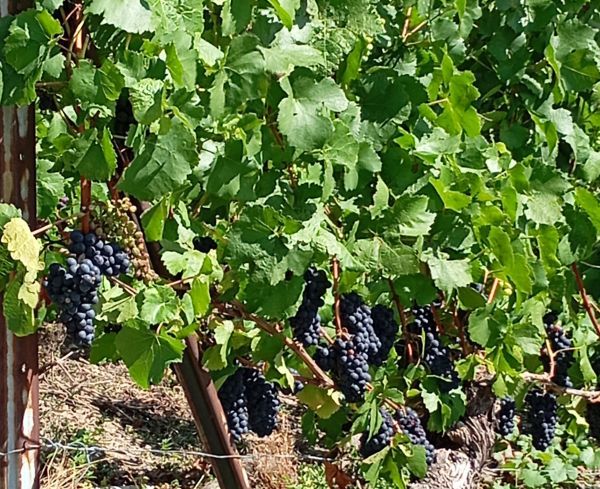
When Is the Best Time for a Wine Trip?
The best time for a wine trip is clearly during the grape harvest in September and October. That's when Germany's wine regions transform into true landscapes of indulgence. The vines hang heavy with grapes, the vineyards buzz with activity, and the air is filled with the scent of freshly pressed must and the grape harvest.
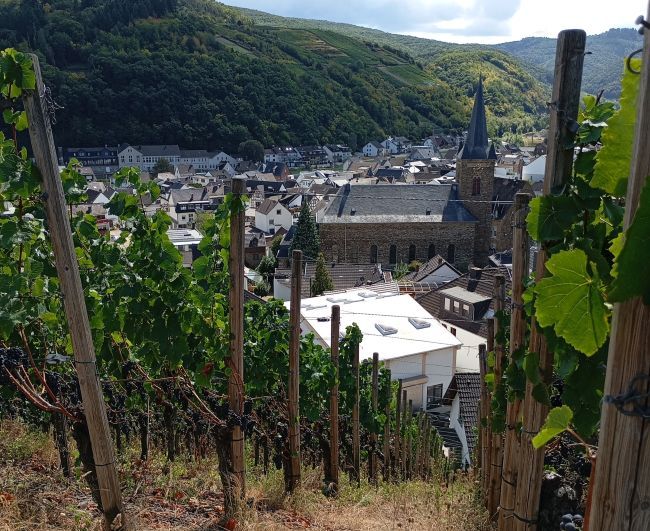
But there are plenty of ways to experience wine and its diversity outside of harvest season too:
- Wine tour on the Ahr: one of Germany's most romantic regions, with steep slopes, narrow valleys, and passionate winemakers. Perfect for autumn walks during harvest season.
- Wine tour in Cologne: experience wine in the big city? At Cologne's wine museum, vines grow right on the rooftop, plus cozy wine taverns invite you to linger.
- Wine tour in Rhöndorf: nestled between the Rhine and the vineyards, Rhöndorf offers charming paths through the vines, a historic old town, and the famous Drachenfels within easy reach.
- Wine tour in Bonn: the former capital surprises with small, refined wine shops, urban wine projects, and close proximity to the wine region around Königswinter or Bad Honnef.