Botanicals: What Are Gin Botanicals?
- Botanicals are plant-based ingredients that give gin its characteristic flavor, like juniper, citrus, herbs, and spices.
- Classic gin botanicals always include juniper berries as the base.
- The exact composition of botanicals in gin often remains a secret.
- Botanicals straight in the glass: botanicals can also be used directly in a drink - for example as a garnish.
- At a gin tasting in Düsseldorf, you'll learn about the diversity of high-quality gins, botanicals, and their perfect pairing with tonics.
Whether classic with juniper or unconventional with lavender, pepper, and lemon - gin lives and breathes through its botanicals. They provide flavor, aroma, and character. In this article, you'll learn which ingredients are hiding in the bottle, how to recognize them, and why real gin simply can't exist without botanicals.
What are botanicals?
Botanicals are plant-based ingredients used in making gin to give it its characteristic flavor and aroma. The most common botanicals include juniper berries, coriander seeds, angelica root, citrus peel, cinnamon, cardamom, and many other herbs and spices. In some cases, the botanicals are listed on the bottle, but often the exact composition - and especially the mixing ratio - remains an exciting secret that invites you to explore and taste in detail.
The process by which these botanicals are introduced into gin is called maceration. The botanicals are soaked in neutral alcohol to extract their aromas and flavor compounds. This process can take different amounts of time depending on the recipe and the desired final product. After maceration, the mixture is distilled to produce the gin. During distillation, the volatile aromas of the botanicals dissolve into the alcohol and condense, giving the gin its complex flavor profiles.
As an alternative to maceration, the botanicals can be added directly into the neck of the still during distillation. The alcohol vapor passing through during distillation then picks up the aroma of the botanicals inside the still.

Which botanicals work well in gin?
Gin offers a fascinating variety of flavors, created through different botanicals and production methods. Here's an introduction to these flavor directions:
Floral botanicals
- Lavender: Imagine walking through a blooming lavender field in Provence, the air filled with a gentle, calming scent. An example of a gin with lavender notes is Silent Pool Gin.
- Elderflower: A mild summer evening, you're sitting in the garden enjoying the delicate, sweet scent of elderflowers drifting on the warm breeze. Hendrick's Midsummer Solstice is a gin that beautifully captures these floral notes.
Fruity botanicals
- Lemon: A sunny day by the Mediterranean, you slice open a fresh lemon and the zesty, invigorating scent fills the air. Malfy Gin Con Limone is known for its intense lemon notes.
- Raspberry: A walk through an orchard in late summer, you pick ripe, juicy raspberries straight from the bush and enjoy their sweet, intense flavor. Edinburgh Gin Raspberry Liqueur offers a fruity raspberry explosion.
Herbal botanicals
- Rosemary: A Mediterranean garden, you rub a few rosemary sprigs between your fingers and the strong, spicy scent rises up. Gin Mare is an excellent example of a gin with distinct rosemary notes.
- Thyme: A rustic country house, you're preparing a hearty dish and the earthy, aromatic scent of fresh thyme fills the kitchen. The Botanist contains a wide variety of herbs, including thyme.
Spicy botanicals
- Cardamom: An exotic bazaar, you open a box of cardamom pods and the warm, slightly sweet scent transports you to distant lands. Opihr Oriental Spiced Gin is known for its bold cardamom notes.
- Cinnamon: A cozy winter evening, you sit by the fireplace enjoying the warm, sweet scent of cinnamon that reminds you of freshly baked cookies. Monkey 47 Schwarzwald Dry Gin has subtle cinnamon notes woven perfectly into its complex flavor profile.
Earthy botanicals
- Angelica root: A walk through a damp forest, you pull a root from the earth and the strong, slightly bitter scent of angelica rises up. Plymouth Gin is known for its earthy angelica notes.
- Coriander: A bustling market, you crush a few coriander seeds between your fingers and the fresh, slightly lemony scent fills the air. Tanqueray No. Ten contains distinct coriander notes.
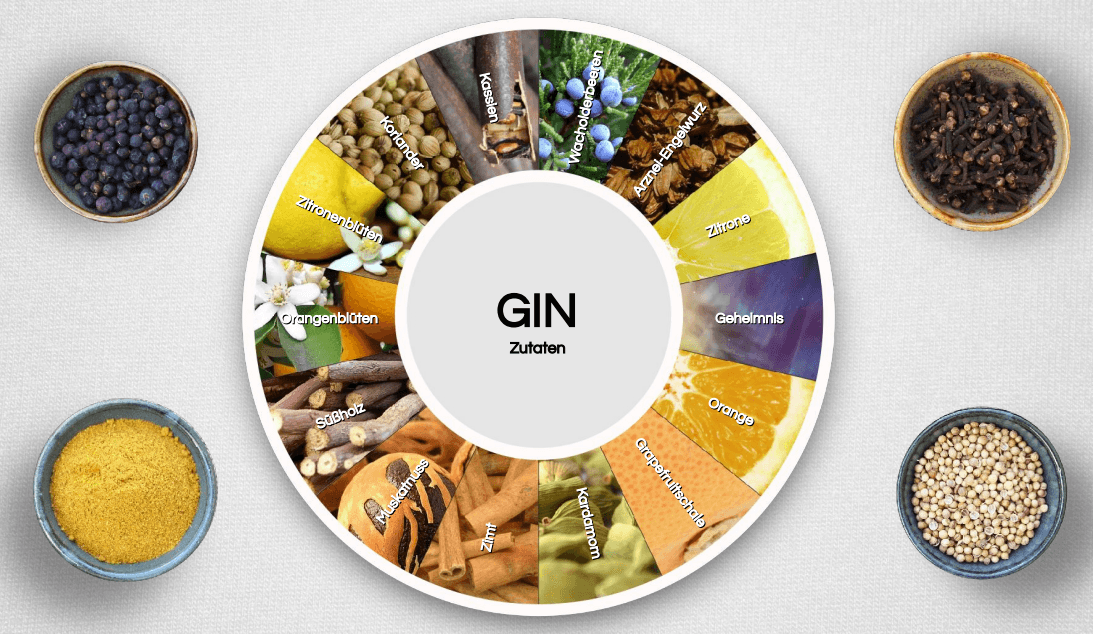 Botanicals, ingredients, and flavor directions
How can I use gin botanicals?
Gin botanicals aren't just for distilling - they can make quite an impression in the glass too. You can easily enhance or refine the aromas of your favorite gin by adding individual botanicals directly as a garnish or infusion in your drink.
Here are a few tips for using gin botanicals at home:
- Juniper berries in a gin and tonic provide a classic aroma with a slightly resinous note - perfect for London Dry gins.
- Lemon zest or orange peel highlight fruity citrus notes.
- Cardamom, rosemary, or peppercorns add depth and spicy complexity.
- Dried flowers like lavender or rose petals enhance floral gin varieties.
- Typical gin spices like cinnamon or coriander can be carefully worked into cocktails - for example as a syrup or infusion.
Which tonic goes with which botanical?
Choosing the right tonic for your gin can have a big impact on the overall taste experience. Here are a few tips for finding the right tonic based on your gin's botanicals:
- Indian Tonic Water: This classic tonic water has a balanced bitterness and slight sweetness. It pairs well with gins featuring traditional botanicals like juniper, coriander, and citrus fruits.
- Dry Tonic Water: This tonic has less sugar and a stronger bitterness. It's excellent for gins with bold, spicy botanicals like pepper, ginger, or cardamom.
- Elderflower Tonic Water: With its floral, slightly sweet flavor, this tonic pairs well with gins featuring floral botanicals like lavender, chamomile, or elderflower.
- Specialty tonics: These tonics are often enriched with additional flavors like citrus fruits, spices, or herbs. They can pair well with gins that have complex, varied botanicals.
- Herbal Tonic Water: This tonic has an herbal flavor and pairs well with gins featuring botanicals like rosemary, thyme, or basil.
It can also help to experiment with different combinations to find out what tastes best to you.

Cocktails with gin that put botanicals front and center
Gin is extremely popular in mixology because it offers incredible versatility and pairs wonderfully with a wide range of ingredients. The various botanicals in gin give cocktails depth and complexity. Here are three diverse cocktails that put gin botanicals in the spotlight:
1. Gin cocktail with botanicals: French 75
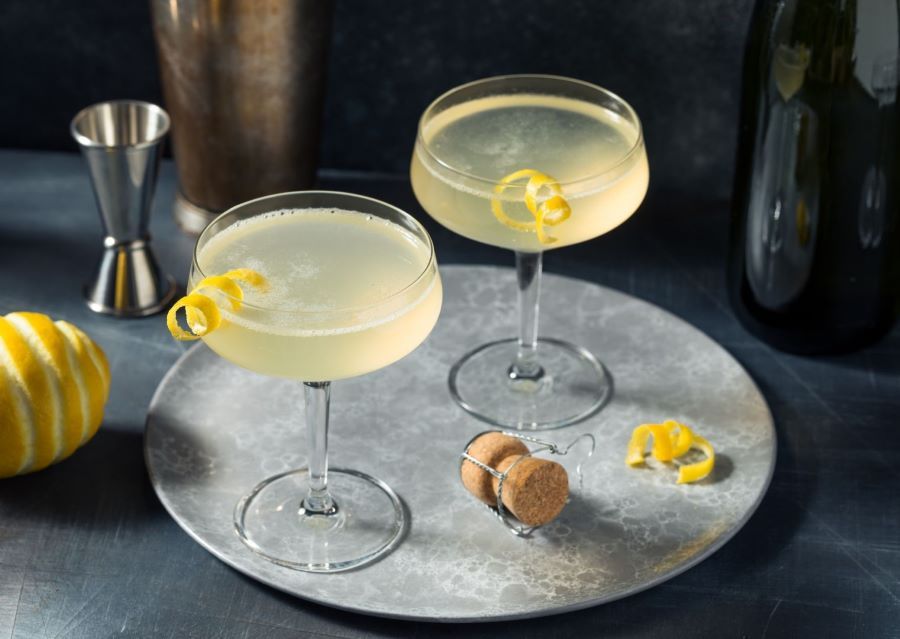
The French 75 is an elegant cocktail that combines the citrus notes of gin with the fizz of champagne. The fresh lemon juice and sugar syrup balance the flavors perfectly.
If you're looking for something more exciting than a gin and tonic, the French 75 might be exactly right for you. The combination of gin and champagne gives this cocktail a special elegance and freshness. Cheers!
Ingredients:
- 45 ml gin
- 15 ml fresh lemon juice
- 7.5 ml sugar syrup
- 90 ml champagne
- Lemon zest for garnish
2. Gin cocktail with botanicals: Bee's Knees
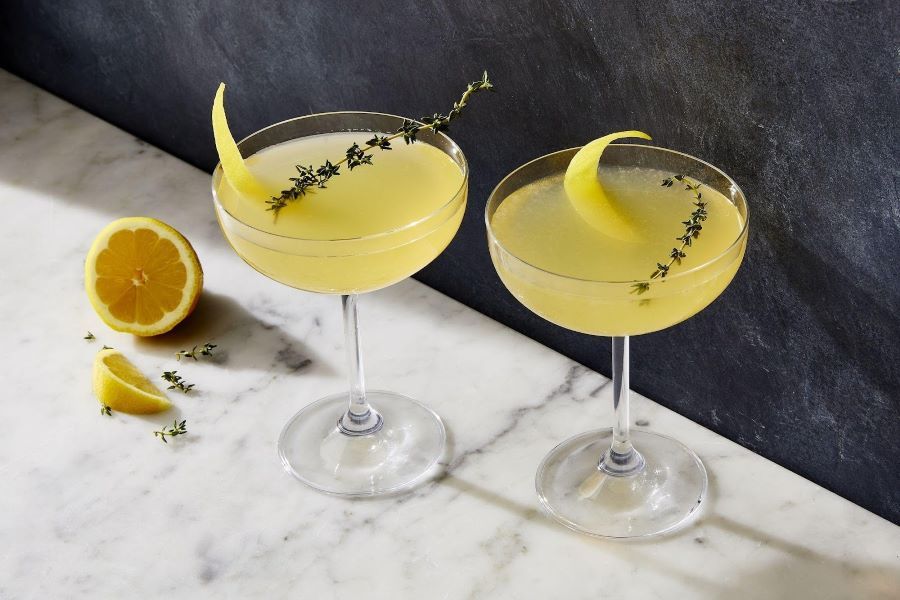
The Bee's Knees is a classic cocktail that highlights the floral and citrusy botanicals of gin. The honey syrup adds a pleasant sweetness that rounds out the flavors.
Ingredients:
- 60 ml gin
- 22.5 ml fresh lemon juice
- 22.5 ml honey syrup (1 part honey, 1 part water)
3. Gin cocktail with botanicals: Negroni
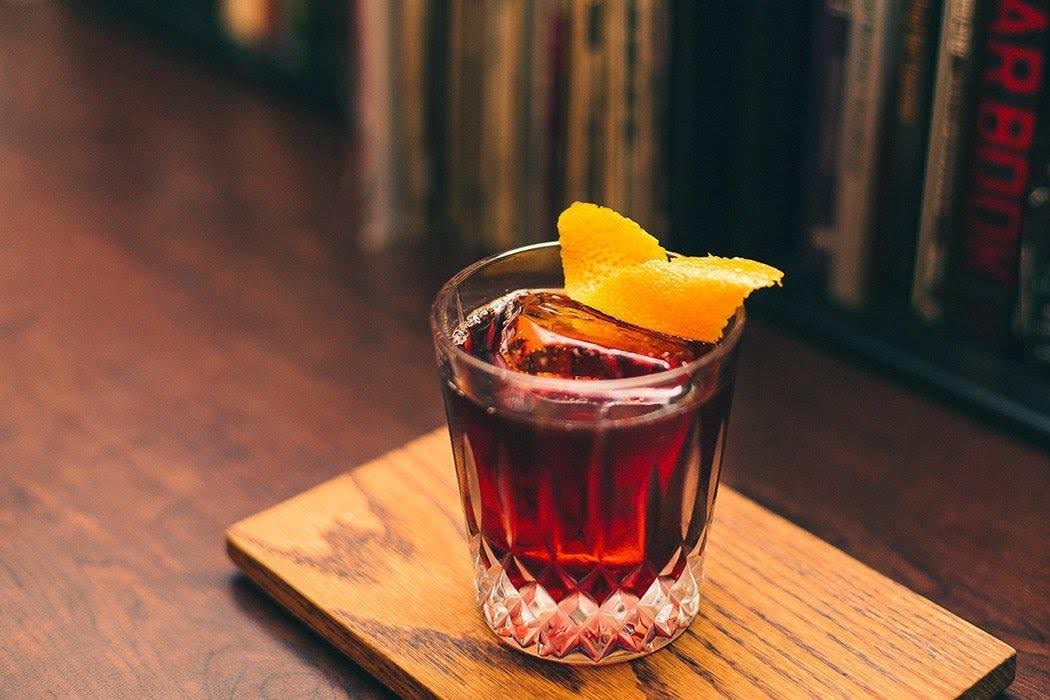
The Negroni is a bold, complex cocktail that emphasizes the herbal and spicy notes of gin. The combination of gin, Campari, and sweet vermouth creates a balanced, aromatic taste experience.
Ingredients:
- 30 ml gin
- 30 ml Campari
- 30 ml sweet vermouth
- Orange zest for garnish