- Breakfast traditions in Africa vary greatly by region and are often shaped by the influence of former colonial powers.
- Coffee, tea, juices, and milk-based drinks are common at breakfast.
- Preferences can roughly be divided into four regions: Central, North, East, and Southern Africa.
Africa is an incredibly diverse continent, with a broad range of cultures, traditions, and eating habits across its many regions. African cuisine itself has been strongly shaped by the various colonial powers that brought their own dishes, preferences, and cultures. That's why traditional breakfasts vary widely by country, region, and local preference.


What do people traditionally drink for breakfast?
In Africa, you'll typically find the same kinds of drinks on the breakfast table as on other continents. The beverages traditionally consumed at breakfast vary depending on the region, cultural habits, and individual preferences. Some of the common drinks include:
- Tea: In many African countries, tea is a popular breakfast drink. Different types of tea, such as black tea or herbal teas, are widely consumed, sometimes prepared with spices like ginger or mint.
- Coffee: Especially in countries like Ethiopia, considered the birthplace of coffee, coffee is an important breakfast drink. In some African cultures, preparing and enjoying coffee involves a special ceremony.
- Milk drinks: In some regions of Africa, various types of milk drinks are also consumed at breakfast, such as corn milk or fermented dairy products like amasi (fermented milk) in South Africa.
- Fruit juices: Freshly squeezed fruit juices, such as orange, pineapple, or mango juice, are popular in some parts of Africa and enjoyed as a refreshing breakfast drink, thanks to the continent's wide variety of fruit.
These drinks are just examples, though - the actual variety of breakfast beverages in Africa is far broader and varies according to cultural traditions, ingredient availability, and individual preferences.


Is African breakfast typically savory or sweet?
Africa offers a wonderfully varied breakfast scene, with each country having its own preferences. While some prefer a sweet start to the day, others favor a savory one. The region's history, particularly whether it was influenced by a colonial power, plays a role here. A classic Moroccan breakfast, for example - often consisting of flatbread with jam, soft cheese, tea, and coffee - resembles a typical French breakfast.
How does breakfast differ by region?
Breakfast varies widely across Africa's regions due to the continent's diversity of cultural traditions and regional preferences. African cuisine has been strongly shaped by the various colonial powers that brought their own dishes, preferences, and cultures.
Central Africa, East Africa, North Africa, Southern Africa, and West Africa each have distinct breakfast preferences, preparation techniques, and eating habits. African cuisine can broadly be divided into four regional categories.
- North Africa: Typical breakfast components in North Africa include flatbread, olives, cheese, dates, and sometimes ful medames (cooked beans with spices). Tea, especially aromatic mint tea, is also widely popular.
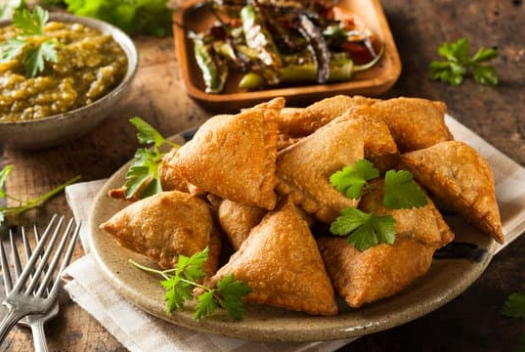
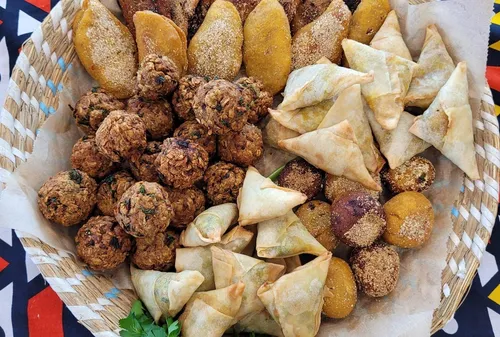
- East Africa: Chapati (a type of flatbread), mandazi or samosas (fried pastries), and teff-based dishes like injera in Ethiopia and Eritrea are typical. Chickpea or lentil purees for meatless dishes are also common.
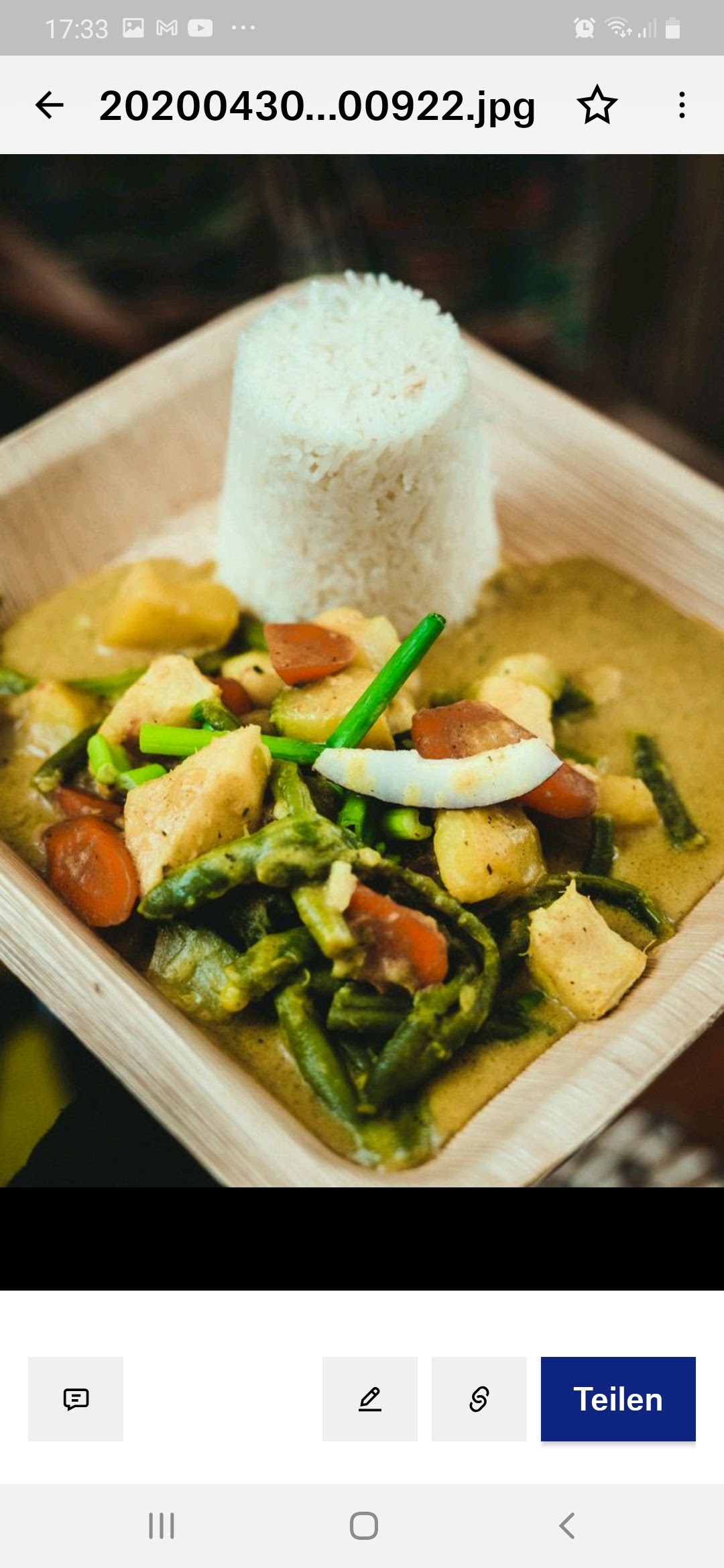
- Southern Africa: In countries like Zimbabwe or South Africa, corn porridge (pap, sadza, or ugali) with vegetables, meat, or fish might be common. Pancakes or grain porridge are also popular.
- West Africa: Breakfasts might consist of various grains such as couscous, yams, or plantains. Boiled eggs, fried fish, or meat are also widespread.

What role does breakfast play in African culture?
Breakfast plays an important role in African culture. African cuisine represents the continent's diversity and encompasses all the specialties characteristic of the African continent. The African continent is home to hundreds of different cultural and ethnic groups. This diversity is also reflected in the many local culinary traditions when it comes to breakfast preferences across Africa. Generally speaking, the value placed on breakfast in African culture varies depending on the environment, traditions, and individual preferences. That said, many communities do consider breakfast an important meal of the day, one that provides energy and starts the day off right. Discover {nrEvents} cooking classes across Germany and Austria.