
Table of contents
- 1. Why Does Wine Get Corked?
- 2. Natural Cork – The Rock Star of the Wine Industry
- 3. Can You Drink Wine If It's Corked?
- 4. How Long Is Wine Still Enjoyable After Being Corked?
- 5. So What Should You Do If a Freshly Opened Bottle Just Doesn't Deliver the Wine Experience You Hoped For?

Roar Tours
Partner and writer
Why Does Wine Get Corked – The Basics
- Why wine gets corked: Corked wine isn't caused by improper storage, but by the chemical compound TCA, which often enters the bottle through the natural cork.
- Is corked wine unhealthy? So-called "cork taint" poses no health risk, but its musty, old-newspaper flavor ruins the drinking experience.
- Learn more about wine: Visit Roar Tours and join the wine hike in Stuttgart to learn all about wine.
The food is plated, the wine has been decanted, and the guests are in great spirits. But then, right as everyone raises their glass, it happens: instead of fine aromas, a bitter disappointment unfolds on the palate. A corked wine is one of the biggest frustrations in the world of fine drinking, and it can drive even renowned wineries to despair. So how does this well-known phenomenon happen, and how can we protect ourselves as wine drinkers?
Why Does Wine Get Corked?
Especially among wine newcomers, a persistent misconception lingers: that corked wine results from improperly opening the bottle or storing it incorrectly. In reality, a cork can dry out if the bottle is stored upright, and small fragments can end up in the wine once it's opened. These particles, though, can usually be filtered out and rarely pose a bigger problem. The real culprit in our wine mystery is called "TCA." This chemical compound, technically known as 2,4,6-trichloroanisole, can render even top-tier wines completely undrinkable. It forms when fungi naturally present in cork react with certain chlorine-based compounds, often found in cleaning agents, wood preservatives, and disinfectants. TCA, the ultimate nemesis of any fine bottle, can also be present on treated barrels, contaminated winery equipment, or packaging, and find its way into the bottle that way. So it would be unfair to place all the blame for one of wine's most serious flaws on the traditional cork itself.

Natural Cork – The Rock Star of the Wine Industry
For those who love the finer things, cork belongs with wine like Bonnie belongs with Clyde. Beyond its role as guardian of fine bottles, this natural material, usually sourced from Spain and Portugal, also boasts an excellent environmental footprint. A cork punched from the bark of a cork oak can offset the same amount of carbon dioxide released during the production of a wine bottle.
Still, as you browse the wine aisle, you'll increasingly come across bottles with screw caps. Wines of every age and character are now topped with lightweight metal, something some connoisseurs still need to warm up to. This trend, though, is by no means a modern phenomenon, the first experiments with it actually took place back in the 1960s in Australia and Switzerland. Countless studies continue to show: choosing a screw-top wine doesn't mean lowering your standards. A good wine receives enough oxygen during the bottling process to continue aging in the bottle, even under an airtight seal. Bottles with screw caps can also be stored standing up without any worry, giving you unbeatable flexibility, for example during a wine hike.

Can You Drink Wine If It's Corked?
The good news first, in answer to the common question, is corked wine drinkable? Yes, even flawed wine can technically be consumed. But as is so often the case in life, the real question is the difference between "can" and "want to." The amount of compounds formed poses no health risk to you, but it's usually a punishment for your palate. Corked wine, often called having a "cork taint," typically presents as musty, flat, and completely disappointing. A Riesling loses its crisp acidity through the process, a Burgundy its wonderful berry character. But what does corked wine actually taste like? Instead of refined enjoyment, you're more likely to notice associations with old newspaper, a poorly ventilated basement, and an unpleasant bitterness.

Cooking with corked wine is also a bit of a double-edged sword and can quickly ruin the flavor of your dish. So if a wine tastes corked, it's usually destined for the drain. That said, fine and expensive bottles can often be returned and replaced. If in doubt, your complaint can even be valuable feedback for winemakers, prompting them to closely examine their production chain, cork suppliers, or specific batches.
How Long Is Wine Still Enjoyable After Being Corked?
Even if a wine isn't corked, every wine eventually reaches its peak and is ready to be enjoyed. A bottle's shelf life depends on many factors. Acidity, alcohol content, tannins, sulfur, residual sugar, winemaking techniques, and, not least, the grape variety itself all play a role.
As a general rule: for optimal shelf life, store every wine cool and away from light, and always store corked wines lying down. If you want to deliberately let a wine age further in the bottle, it's best to research the specific aging potential for that variety rather than following generalized rules of thumb. But once a wine is opened, there are fairly reliable guidelines to follow. Opened wines, whether white or red, should go into the refrigerator, sealed. Ideally, use the original closure, a cork should always be reinserted in its original orientation. As a rule, opened bottles that haven't been fully finished should be resealed promptly to limit oxygen exposure. This is not to be confused with decanting, the intentional introduction of oxygen to help a wine fully develop its flavor profile.

As a general rule, opening a wine bottle always starts a race against time. Fortified wines like Madeira, for example, can last an entire lifetime and, with proper storage, can still be enjoyed for months even after opening. Classic wines, however, should generally be enjoyed within a few days of opening, unless you're using professional preservation equipment. When in doubt, your nose and palate are always your most reliable guides. A wine is drinkable for as long as it tastes good to you.
So What Should You Do If a Freshly Opened Bottle Just Doesn't Deliver the Wine Experience You Hoped For?
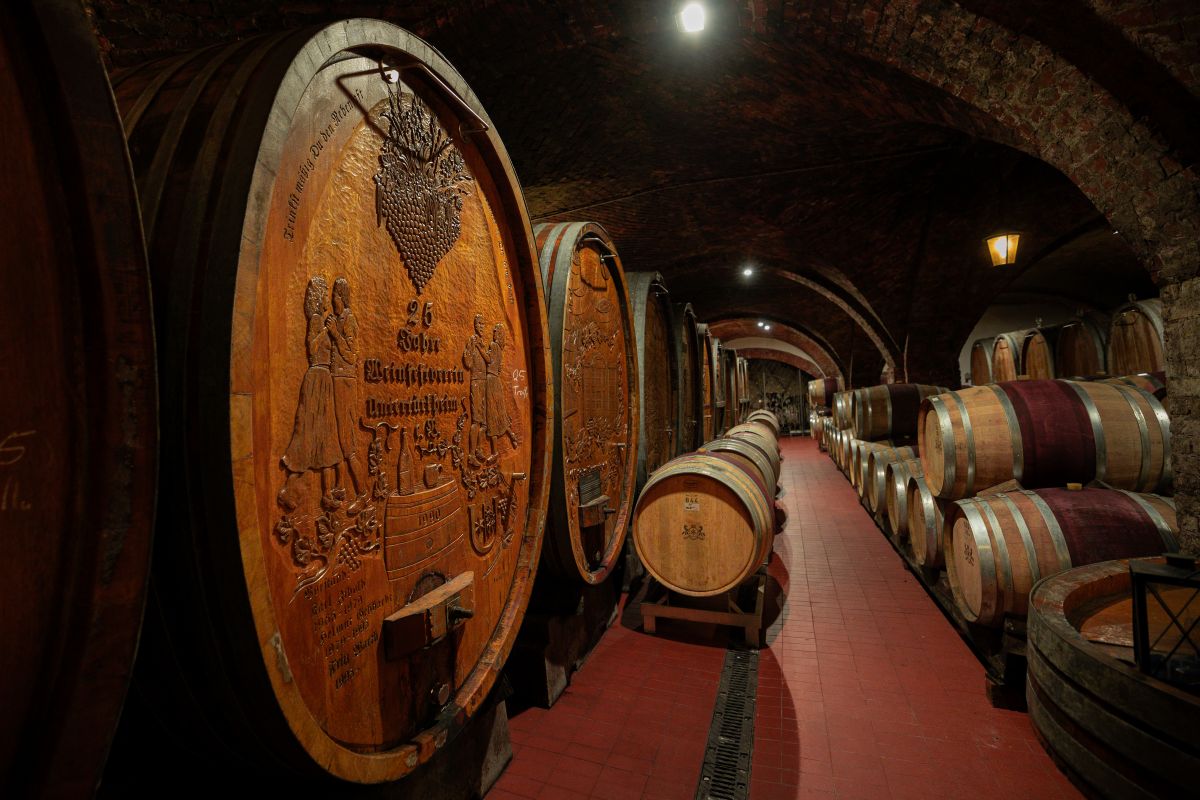
If, despite extensive quality controls and ongoing improvements across the wine industry, you still end up with a corked bottle, don't get discouraged. Remember the long journey wine takes, from the vine to the press to the barrel and finally the bottle. You're buying a living piece of culture, and like all life on our planet, it can have flaws and quirks. Try to exchange the affected bottle, and look forward all the more to your next attempt. You might even find that a wine flaw like this draws you deeper into the fascinating world of winemaking, and before long, you could find yourself on a wine hike through steep vineyards or enjoying an atmospheric tasting in a vaulted cellar.
Inspiration for youSign up for the newsletter and receive tips for great experiences near you. As a thank you, you will receive a €5 gift card.



Why Does Wine Get Corked – FAQ
Discover classes of Roar Tours