What Beer Styles Are There? Explore the World of Beer
Table of contents
- 1. How Many Types of Beer Are There?
- 2. What Is the German Beer Purity Law?
- 3. How Many Types of Beer Exist?
- 4. What Brewing Methods Exist?
- 5. What Characterizes Bottom-Fermented Beers?
- 6. What Characterizes Top-Fermented Beers?
- 7. What's the Mildest Beer?
- 8. Which Beer Is the Purest?
- 9. Which Beers Are the Most Popular?
- 10. How Does Sweetness Develop in Beer?
- How many beer styles exist in Germany: there are around 6,000 beer styles brewed in Germany.
- Alcohol content in beer styles: a typical beer has around 5 percent alcohol, but there are also strong beers with up to 15 percent alcohol content.
- Want to learn even more about beer and its diversity from a true expert? Then join the beer tasting with Berlin Beer Trails
Beer is one of the oldest and most beloved drinks in the world, brewed in countless variations and flavors. From classic pilsners to fruity ales to pale lagers and wheat beers. But how many beer styles actually exist, and what sets them apart? In this article, we'll take you on a journey through the fascinating world of beer and show you just how different various beer styles really are. Discover {nrEvents} beer tastings in Germany and Austria.


How Many Types of Beer Are There?
What exactly are beer types? Generally, people talk about beer types, beer varieties, beer categories, or beer styles. These terms all mean the same thing and are used interchangeably. Broadly speaking, if beers share similar traits like flavor, brewing method, or color, they belong to the same beer type. So this isn't about a beer's brand, but its style. Especially thanks to the craft beer and homebrewing scene, new beer styles are constantly being invented, or historical ones rediscovered. Often tied to a specific region, there are also plenty of smaller, lesser-known beer styles, like Leipziger Gose, Düsseldorf Altbier, or Berliner Weisse. But even among the most well-known beer styles, there are huge differences. There are many dark beer varieties as well as pale ones. Not all pilsners are created equal, a German Pils is a completely different beer than a Bohemian Pils or an American Pils.

What Is the German Beer Purity Law?
In Germany, there's a Beer Purity Law (Reinheitsgebot) that governs beer production. This law states that beer can only be made using water, hops, malt, and yeast. In 2016, the Reinheitsgebot celebrated its 500th anniversary, making it one of the oldest food regulations still in existence anywhere in the world.
How Many Types of Beer Exist?
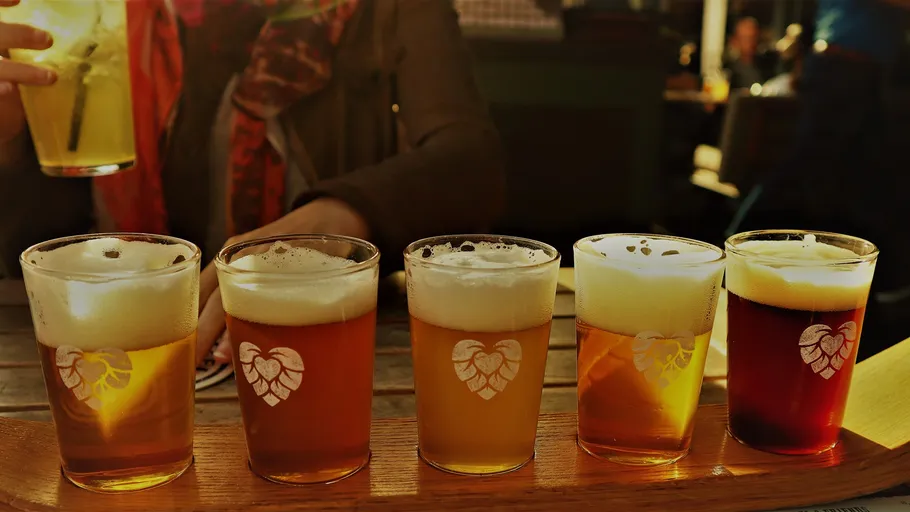
In Germany, roughly 6,000 different beer styles are brewed. (Statista Research Department, 2024) The world of beer offers an enormous range of varieties and styles brewed around the globe. From malty lagers to hoppy India Pale Ales to fruity wheat beers, there's a massive selection to choose from. Every country has developed its own brewing traditions and specialties, resulting in an impressive diversity of flavors and beer styles. Here are a few examples of well-known beer types:
- Pilsner: pilsner is a pale, bottom-fermented beer known for its bitter flavor, originally hailing from the city of Pilsen in the Czech Republic.
- Wheat beer: wheat beer, also called Hefeweizen, is a top-fermented beer with a high proportion of wheat malt, known for its fruity and spicy aromas.
- Stout: stout is a dark, bold beer with intense roasted notes of coffee and chocolate.
- Lager: lager is a bottom-fermented beer brewed at low temperatures, prized for its mild, clean flavor and refreshing character.
- Bock: bock is a strong, malt-forward, bottom-fermented beer with a higher alcohol content, traditionally enjoyed during the winter months.

What Brewing Methods Exist?
A beer's brewing method broadly falls into two categories. On one hand, there are "bottom-fermented" beers, which we know in Germany as the classic beers found on supermarket shelves. Typical examples include pilsner, pale lager, export, dark beer (Schwarzbier), and bock beers.
On the other hand, there are "top-fermented" beers, which we recognize either as international beer styles like pale ale, India pale ale, stout, and porter, or as historic German beer styles, including Altbier, Kölsch, Berliner Weisse, and Hefeweizen.

What Characterizes Bottom-Fermented Beers?
Bottom-fermented beer is brewed with bottom-fermenting yeast, which ferments at lower temperatures (39-54°F). These yeasts settle at the bottom of the fermentation vessel, which is where the name comes from. Well-known bottom-fermented beers include:
- Pilsner: a pilsner is characterized by its golden-yellow color. Pilsner is usually free of cloudiness since it's filtered, which creates that clear color. In terms of flavor, pilsner delivers a crisp, slightly bitter taste.
- Pale lager: pale lagers taste different from pilsner, since they're milder and less strongly hopped, making them less bitter. Pale lagers are also filtered, which creates their pale color, standing out both in the bottle and the glass.
- Schwarzbier (dark lager): Schwarzbier is known for its dark color, created by brewing with roasted malt or dark specialty brewing malt. In terms of flavor, Schwarzbier stands apart from other beer types, since it tastes both slightly sweet and bitter.
What Characterizes Top-Fermented Beers?
Top-fermented beer is defined by the use of top-fermenting yeast, which ferments at higher temperatures (59-77°F). During fermentation, these yeasts rise to the surface of the beer, which is how the style gets its name. Well-known top-fermented beers include:
- India Pale Ale: India Pale Ale stands out for its strongly hop-forward, fruity-bitter flavor. The fruity notes are reminiscent of citrus, papaya, or passion fruit.
- Porter: porter is known for its deep black color and malty, sometimes even roasted-malt-forward flavor. This beer style originated in England, specifically in London.
- Kölsch: a true Kölsch is only brewed within the Cologne city limits and is mainly enjoyed in that region. It's easily recognizable since it's traditionally served in small 7 oz glasses. Its pale color and mild flavor also stand out.
What's the Mildest Beer?
Generally speaking, new beer drinkers and industry experts often say that Eisbier (ice beer) is especially mild and smooth in flavor.
The current trend in the mass market is clearly shifting toward milder beer. Many consumers can't necessarily explain the difference between various beers, but the once-untouchable pilsner is currently being pushed aside on beverage shelves by Munich-style pale lager (Helles).
This beer style has noticeably less bittering hops and a higher "drinkability." This refers to the idea that after the first sip of the beer, you immediately feel like ordering another one. In Germany, the most widespread mild beer style is Munich Helles.

Which Beer Is the Purest?
The purest beer among all beers is organic beer. That's because organic beer production doesn't allow the use of any chemical aids throughout the entire process. This naturally applies to growing barley or hops as well.
That said, properly produced beers in Germany are inherently pure by nature. So really, this comes down to how you define the word "pure." In TV commercials, water in particular is often marketed as "pure." By that logic, you might conclude that a beer tasting as watery as possible would be the purest beer. I doubt that's a direction worth brewing toward.
Which Beers Are the Most Popular?
In Germany, most people prefer a pilsner, whether with a meal or just as a casual drink. (deutschland.de, 2024).
Still, it's difficult to say which beer is truly the most popular. In Germany, different regions favor different beers as the most popular local choice. For example, pilsner is especially popular in northern Germany. In the Rhine region, Kölsch is favored around Cologne, while Altbier dominates in the Düsseldorf area. In Berlin, Berliner Weisse is especially beloved. In southern Germany, home to the highest density of breweries in the world, people tend to drink wheat beer from their own region.

How Does Sweetness Develop in Beer?
During the brewing process, brewers create different types of sugar. Put simply, there are fermentable sugars, which yeast converts into alcohol during fermentation. Fermentable sugars used in beer production include glucose, fructose, maltose, and sucrose. Then there are unfermentable sugars, which remain in the beer as residual sweetness, giving the beer a smoother, more drinkable character.
Which Beer Styles Are Sweet?
Sweet beer styles include wheat beer varieties, Schwarzbier, and pale lager. All of these beers have a subtle sweetness that many people particularly enjoy. Maybe one of these beers is a good fit for you too.