Tape Art – Key Takeaways:
- Tape art describes the art form where adhesive tape is used instead of paint.
- Tape art originated in the 1960s as a form of street art.
- Leading tape artists include Max Zorn, El Bocho, Buff Diss, and Slava Ostap.
- Try art with adhesive tape yourself: discover 1,727 DIY classes, for example DIY workshops in Berlin, or give a creative class gift card.
Tape art describes a unique form of urban art that deliberately avoids the use of paint. Emerging in the 1960s as an alternative to traditional spray can art, tape art has developed over time into an independent and recognized art form. Today, tape art pieces decorate the streets of our cities and metropolises, leaving a lasting impression on the urban landscape.
What Is Tape Art?
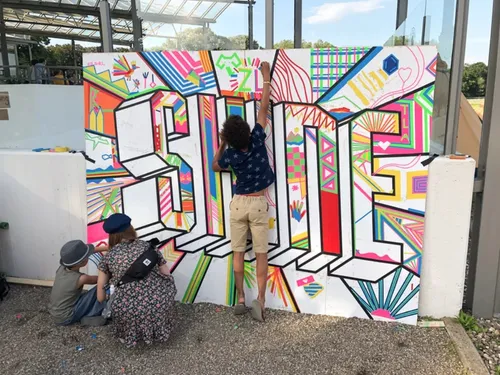
Tape art, often also called adhesive tape art, is a unique form of urban art in which paint isn't used at all. Instead, artworks are created entirely from adhesive materials like tapes or vinyl films. This fascinating art form, which traces its roots back to the 1960s, has repeatedly shaped the streetscapes of our cities over the years. In more recent times, tape art has also gained considerable recognition in the media landscape and the art world itself.

How Does Tape Art Work?
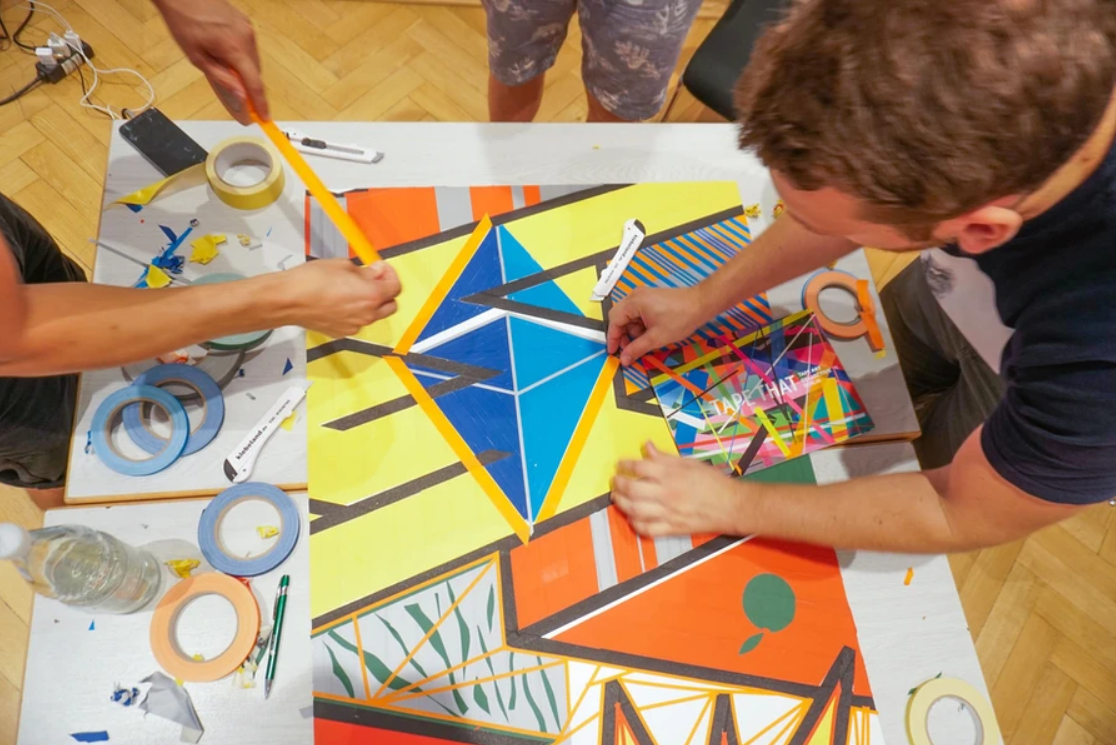
Tape art artists usually start with a clear vision of the finished piece. They need to select the right colors and widths of tape to bring that vision to life. From there, artists begin applying colored tape to a surface, whether it's a canvas, wood, or even concrete. The taping process happens in layers. First comes a base layer, which serves as the foundation. The real artistry comes in the layering that follows, which creates shades and tones that add depth and detail. Tape art requires patience and precision. The tape must be applied perfectly, since corrections are very difficult to make afterward.

What Do You Need for Your Tape Art Piece?
To dive into the fascinating world of tape art, you only need a few basic materials and a bit of creativity. The essential things you'll need are:
- Adhesive tape: Choose a variety of colors and widths to give your creativity free rein.
- A suitable surface: Find a surface to apply your tape to. This could be a canvas, wood, or even a wall. Just make sure the surface is smooth enough for the tape to stick properly.
- Inspiration: It also helps to look at work from other tape artists beforehand and get some initial ideas for your own piece.
- Sketching tools: A sketch can serve as a useful template for your tape art and make the whole process easier. A simple pencil is enough for this.
- Cutting tools: To cut the tape precisely and achieve the shapes you want, keep a sharp knife or scissors on hand.
- Patience: Creating an outstanding tape art piece requires precise, meticulous work, which calls for a good amount of patience and calm.
Guide to Creating Your Own Tape Art Piece
- Prepare your materials
Start by preparing your different rolls of tape. Keep a sharp knife or scissors within reach, though we recommend using a craft knife.
- Sketch your idea
Think about the motif or pattern you want to create and roughly sketch your idea onto your canvas or surface. This makes the process easier and serves as a guide for your tape art.
- First layer of tape
Start with the base layer of tape. This serves as the foundation for your artwork. Choose a color and width you like, and make sure to keep it smooth and free of wrinkles. This lets you establish the first lines, shapes, and basic structures.
- Overlapping and adding layers
To add tone and detail, overlap different colored layers of tape. Cut the tape precisely to create the shapes and contours you want. The more layers you use, the more complex and vibrant your artwork becomes.
- Adding details and texture
Using narrow strips of tape, you can add entire textures and accents through fine lines. These details bring your tape art piece to life.
- Fine-tuning
Carefully check whether your artwork looks the way you envisioned. You can adjust small irregularities with additional pieces of tape and perfect your details.
- Finishing and sealing
Once you're happy with your artwork, you can seal it with a clear adhesive or a transparent protective coating. This protects it from dust and moisture and increases its longevity.

How Did Tape Art Originate?
Tape art emerged in the street art culture of the 1960s as an alternative solution to spray cans. This art form offers advantages like reduced exposure to harmful fumes and easy, residue-free removal. Although its exact origin is hard to pinpoint, tape art has increasingly spread throughout the streets of Europe since the 1960s. Berlin and Amsterdam are considered the pioneering cities in this movement.

Who Are Some Notable Tape Art Artists?
Pioneers of the tape art scene include artists like Australian street artist Buff Diss, German artist El Bocho, and Dutch artist Max Zorn, known for his distinctive approach to tape art in the art world. Collectives like Tape Over and Tape That from Berlin are also firmly established in the scene.
Tape Art Today
About 10 years ago, tape art finally gained recognition in the media and major art institutions around the world. Artists like El Bocho, who covered the wall of the Stadtbad in Berlin Wedding with tape for Urban Affairs Extended in 2009, brought significant attention to this art form. Renowned art institutions, including Art Basel, have also exhibited well-known tape artists like Max Zorn.
Creative ideas delivered to your inboxSign up for our newsletter and get the latest creative trends and exciting workshops by email.



Tape Art – FAQ
Discover classes of Tape Art Academy