- Nude painting portrays the unclothed human body, while also emphasizing emotion and expression.
- This art form has a rich history spanning many styles and eras.
- Nude painting raises important questions about the body, identity, and cultural norms.
- Nude painting remains a dynamic part of the contemporary art scene.
Nude painting is a fascinating art form that portrays the human body in its natural splendor. From anatomy to emotion, this article dives deep into the world of nude painting and explores its symbolism and meaning. Discover {nrEvents} nude drawing classes in Germany and Austria.
What is nude painting?
Nude painting is the artistic depiction of the human figure in its natural state, often without clothing. This art form allows artists to explore anatomy, proportion, light, and shadow. But it's not just about physical depiction - it's also about conveying emotion and individual expression. Artists use various techniques to portray the beauty and diversity of the body, from realistic depictions to abstract interpretations.

What is meant by "the nude"?
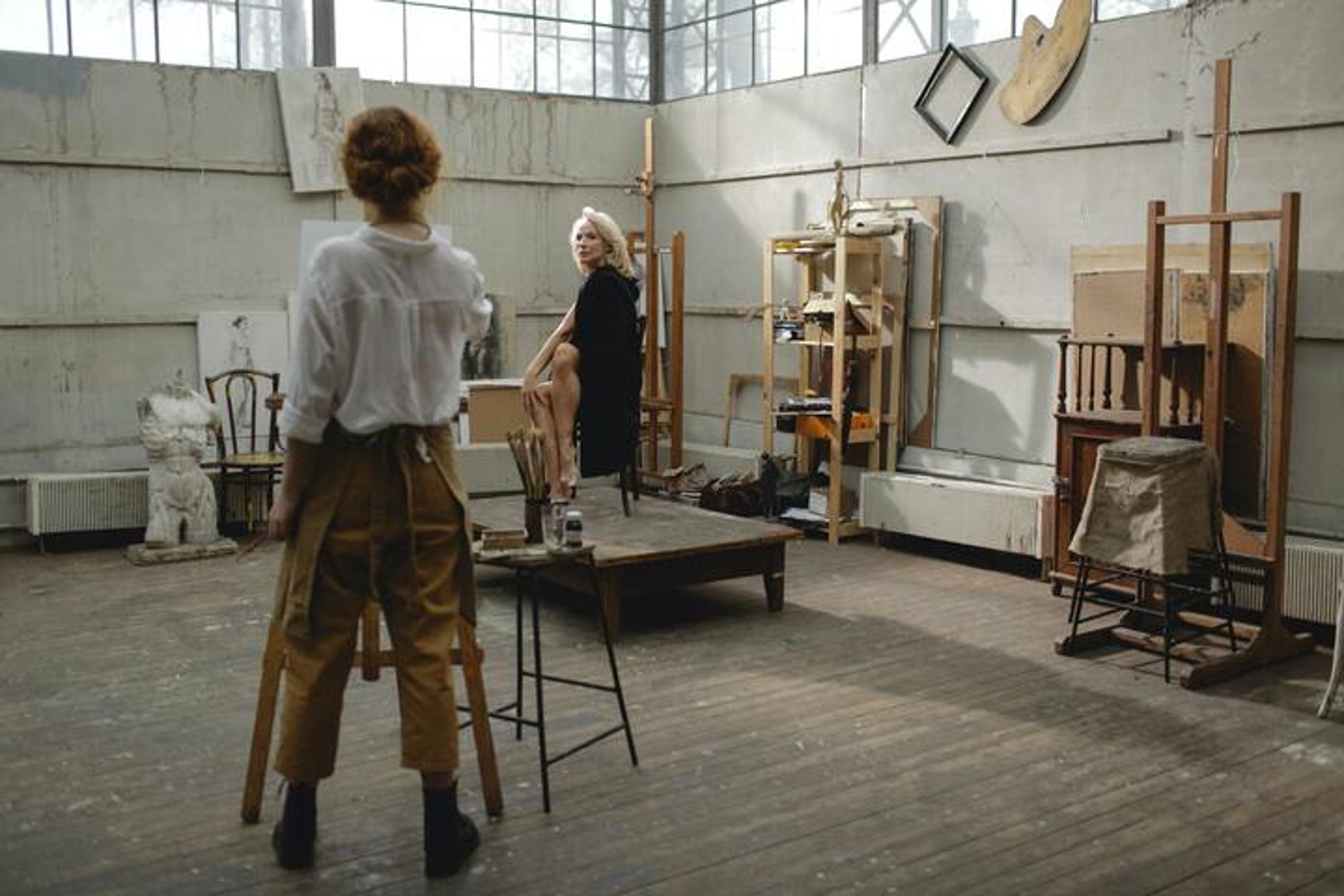
"The nude" refers to artists painting, drawing, or photographing the human body, usually unclothed. In doing so, they try to explore what the body looks like, how it moves, and how it feels. This can happen through images or sculptures. Sometimes it's about the beauty of the body, sometimes about emotions or stories that are meant to be told. It's a way of showing the human body in art.

The symbolism and meaning of nude painting: why nude painting?
Nude painting has a long tradition and symbolic power. It celebrates the natural beauty of the body while expressing emotion, vulnerability, and strength. The nude can serve to question social norms and taboos surrounding the body and physicality. Nude painting invites viewers to think beyond the physical and explore the deeper layers of the human self.
Nude painting opens a space for reflection, discussion, and artistic expression that illuminates both individual and societal perspectives - Stephanie Koll
Photo: © Malmal Kunstschule
How has nude painting evolved throughout history?
Nude painting has changed significantly throughout history. At first, the goal was to depict the human body as beautiful and idealized, as in antiquity and the Renaissance. Later, especially in the 19th century, artists portrayed the body more realistically and honestly, including in everyday situations.
In the 20th century, bolder approaches became popular, with the human body painted in new styles and perspectives, as in Impressionism and contemporary art. Digital technologies have also opened up new possibilities.
The evolution of nude painting reflects not only artistic changes but also shifts in society and in our understanding of beauty and body image. It reminds us how our perception has changed over time.

What role does nude painting play in exploring physicality, identity, and self-expression?
Nude painting is a powerful means of exploring physicality and identity. It can deconstruct gender roles, question beauty ideals, and celebrate the diversity of human shapes and sizes. Depicting the body on canvas opens up space for reflection and discussion about personal and societal identity.
Photo: © Malmal Kunstschule
What sets nude painting apart from other types of painting?
Nude painting differs from other types of painting in that it focuses on the human body, which is typically unclothed. Artists try to portray the shapes and emotions of the body realistically. While other forms of painting can convey emotion through landscapes, still lifes, or abstract motifs, nude painting uses the human body to express emotions, moods, and psychological states directly. Posture, facial expression, and gesture can convey deep emotional meaning.
What materials and techniques are used in nude painting?
Nude painting uses various materials and techniques to depict the human body on canvas or other surfaces.
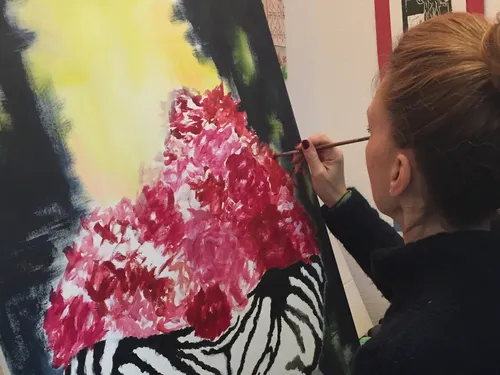
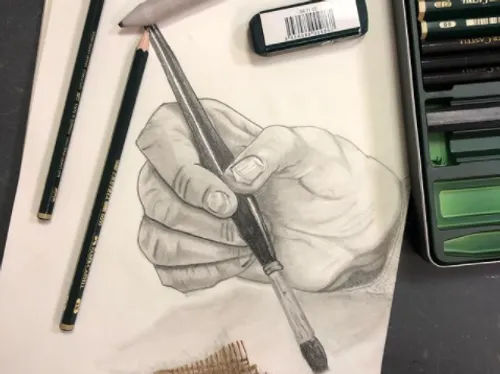
Materials: Artists use paints such as oil or acrylic paints, watercolors, and pastels. Charcoal and pencil are also used for drawings.
Techniques: There are many ways to depict the nude. Some artists apply thin layers of paint on top of each other to create depth (glazing). Others use thick layers of paint to create texture (impasto). It's important to mix the right skin tone. Some artists paint quickly to capture movement. Others emphasize contours or use experimental techniques like collage or digital media.
The choice of materials and techniques depends on artistic preferences and the desired effects.
Photo: © Malmal Kunstschule