Table of contents
- 1. What Is Mozzarella?
- 2. Mozzarella with Rennet vs. Mozzarella without Rennet – What's the Difference?
- 3. Which Milk Works Best for Mozzarella?
- 4. Mozzarella Ingredients: What Do I Need to Make Mozzarella Myself?
- 5. Mozzarella Recipe: How to Make Mozzarella at Home

- What is mozzarella: Mozzarella is a fresh, mild cheese from Italy known for its soft texture and creamy structure, ready to eat right after it's made.
- Mozzarella ingredients: For the quick homemade version, you only need whole milk, plain yogurt, apple cider vinegar, salt, and water.
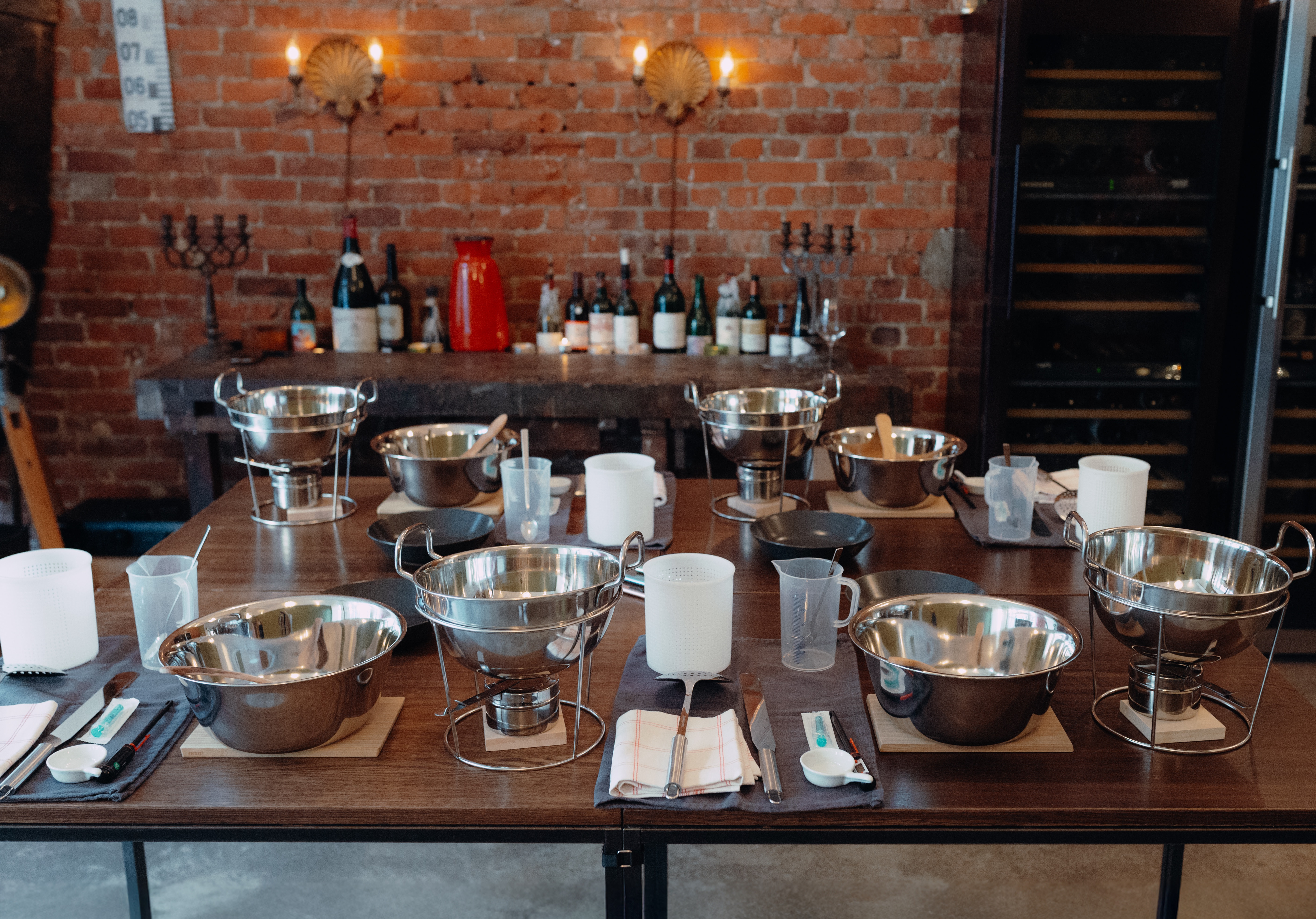
- Make traditional mozzarella yourself: Visit Maike from Kees Leev at her mozzarella class in Hamburg and make your own mozzarella.
What Is Mozzarella?
Mozzarella belongs to the fresh cheese family and differs from soft, semi-hard, or hard cheeses in that it's ready to eat right after shaping. If you want to make mozzarella yourself, you'll quickly come across two methods: with or without rennet.
Mozzarella with Rennet vs. Mozzarella without Rennet – What's the Difference?
Making mozzarella is all about separating the solid components of milk, fats and proteins, from the liquid whey. Traditionally, rennet is used to make mozzarella cheese, an enzyme originally derived from the stomachs of calves or goats. This causes the milk protein to coagulate, forming a firm mass known as the curd.
Alongside animal rennet, there are also plant-based rennet substitutes, made from thistles or mushrooms, for example, which work well for a vegetarian version and are what Maike uses in her class.
If you'd like to make mozzarella without rennet, you can use vinegar instead. This chemical process causes the milk to curdle, allowing you to form a firm curd that can be processed further.
Bottom line: How you make your mozzarella is entirely up to you. With rennet, the mozzarella has an authentic taste and the classic stretchy texture. The version without rennet is a bit softer in texture, but it's quicker to make.
Whether traditional or the quick version, making mozzarella at home is achievable with a bit of practice, and you'll know exactly what ingredients go into it. For beginners, it's recommended to start by making mozzarella without rennet.
Which Milk Works Best for Mozzarella?
If you want to make mozzarella yourself, the choice of milk plays a crucial role in the result. It's best to use high-quality raw milk straight from a farm, or alternatively, pasteurized milk from an organic market. Pasteurized milk has been briefly heated to about 72–75°C, which kills bacteria while still keeping it ideal for making mozzarella.
Important: Don't use homogenized milk. During homogenization, the fat molecules are mechanically broken down, which prevents proteins and fats from bonding properly during mozzarella-making. As a result, the curd won't develop a firm texture.
For a special touch, you can use buffalo milk instead of cow's milk, just like in the original Italian mozzarella recipe. Buffalo milk contains twice as much fat as cow's milk, giving the cheese an especially creamy texture.
Mozzarella Ingredients: What Do I Need to Make Mozzarella Myself?
If you want to make mozzarella yourself, you don't need many ingredients. For a quick, fresh mozzarella that should be eaten right away, you'll need:
- Whole milk (3 liters)
- Plain yogurt (3 tablespoons)
- Clear apple cider vinegar (3 tablespoons)
- Non-iodized salt (1 tablespoon)
- Water (for shaping the mozzarella balls, plus cold water for the ice bath)
This simple combination forms the base for many mozzarella recipes.
Mozzarella Recipe: How to Make Mozzarella at Home
Want to make mozzarella yourself? This simple mozzarella recipe shows you step by step how to turn milk and yogurt into your own homemade mozzarella cheese.
1. Preparing the Milk
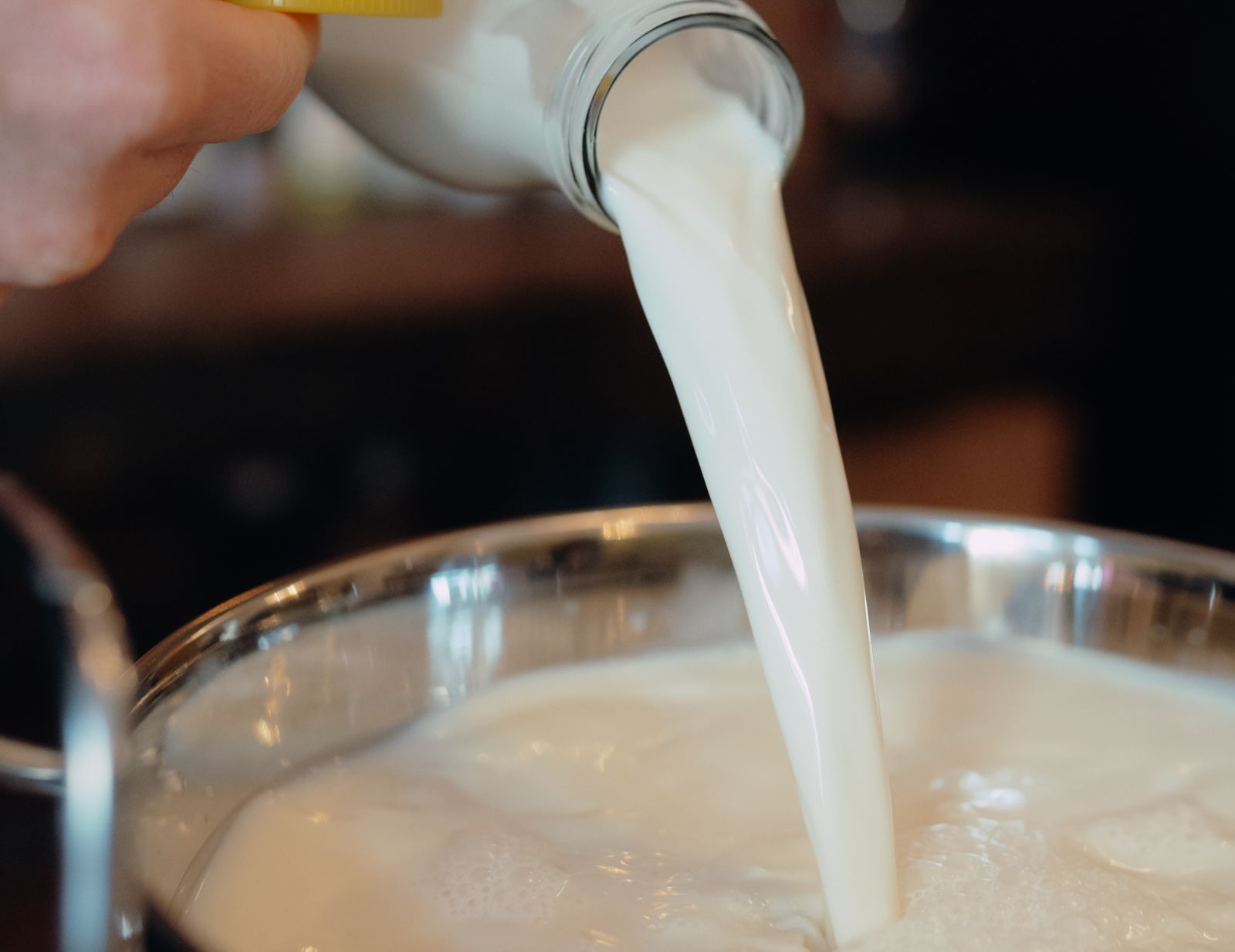
- Pour the cold whole milk into a pot (3 liters).
- Stir the plain yogurt evenly into the milk (3 tablespoons).
- Cover the pot and let the mixture rest for 10–15 minutes.
- Meanwhile, measure out the clear apple cider vinegar (3 tablespoons), you'll need this later for coagulation.
2. Slowly Heating the Milk
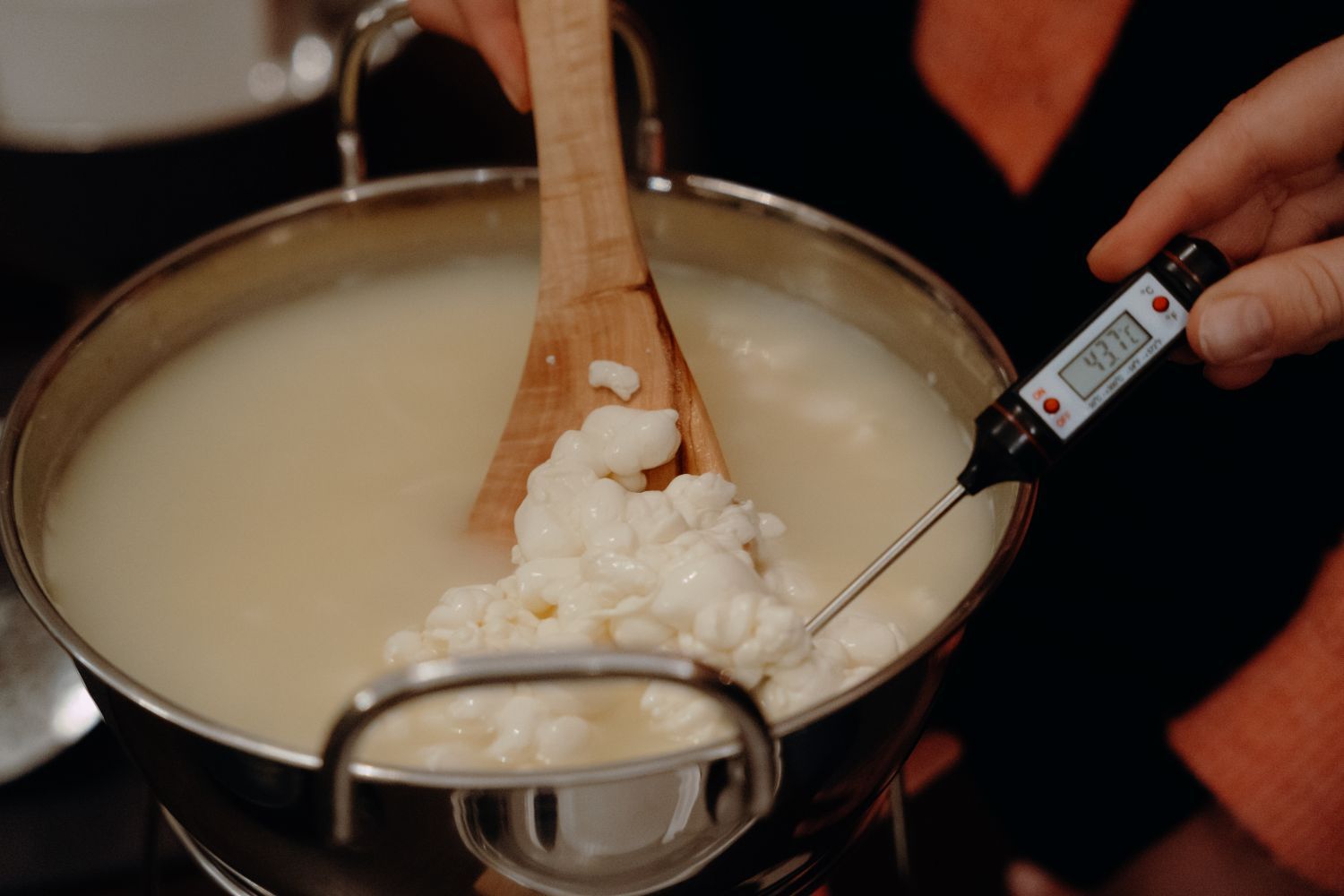
- Carefully heat the milk to 50°C (122°F).
- Stir regularly so nothing burns.
3. Stirring in the Vinegar
- Once it reaches 50°C, remove the pot from the heat.
- Stir the apple cider vinegar into the warm milk with a wooden spoon.
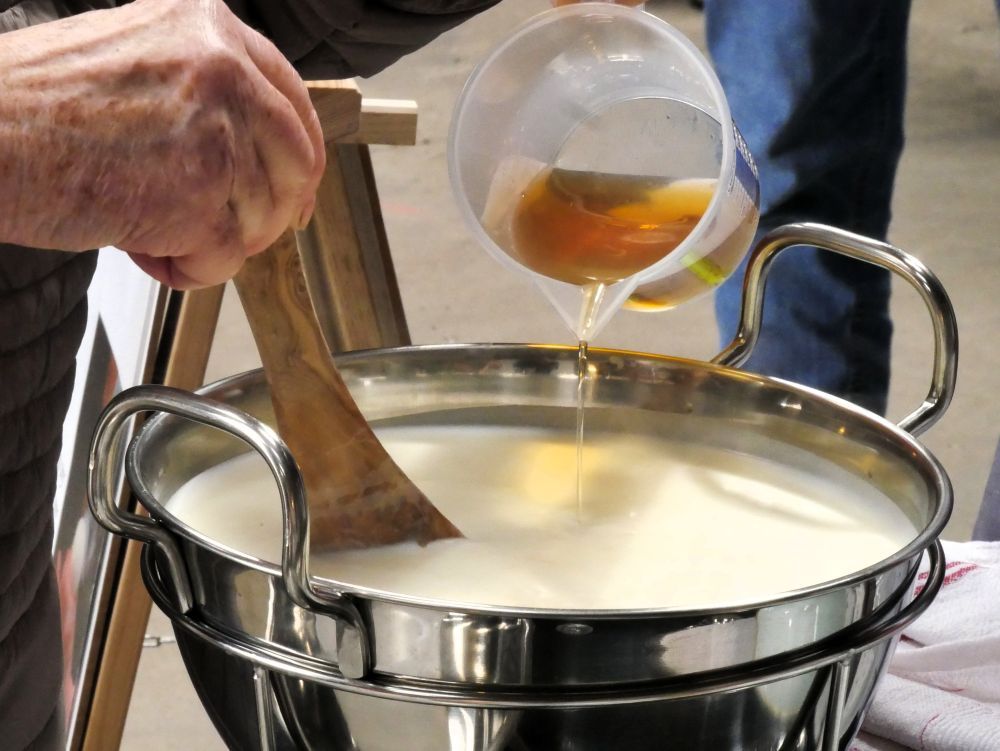
- Stir gently until a soft curd forms.
- Gently press the mass against the side of the pot to release excess whey.
4. Draining & Resting the Mozzarella
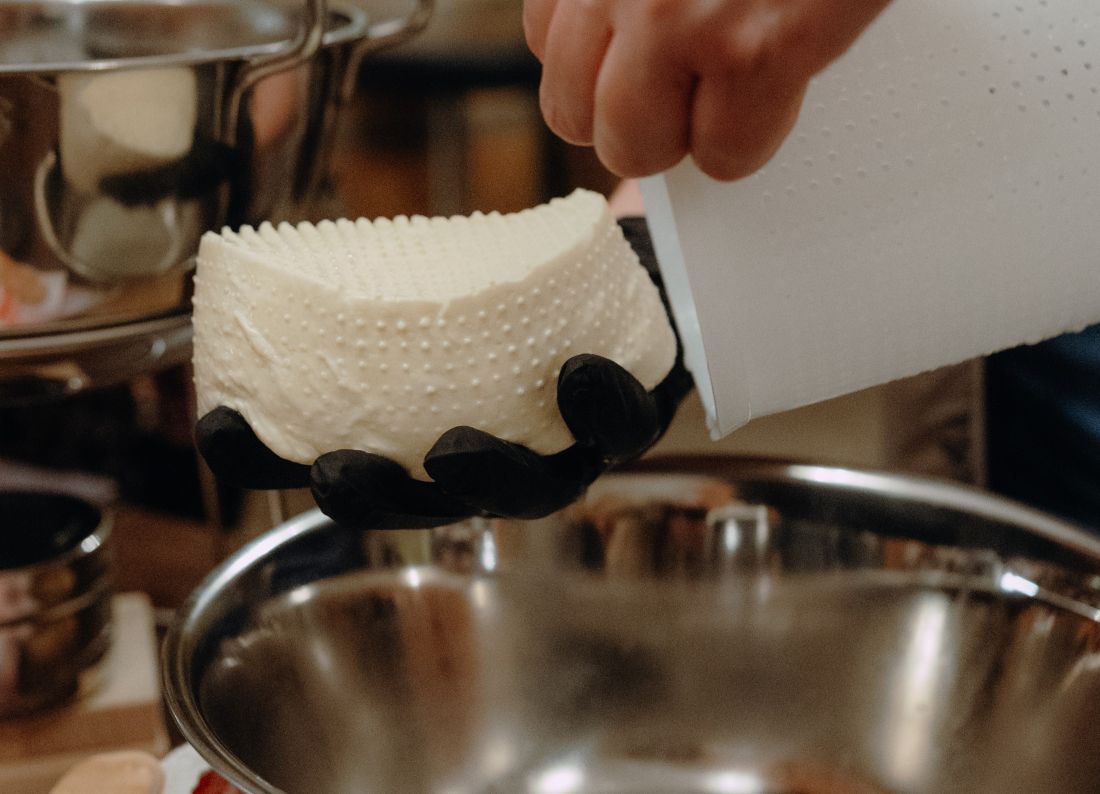
- Lift the firm curd with a ladle into a cheese mold or a sieve over a heat-resistant bowl.
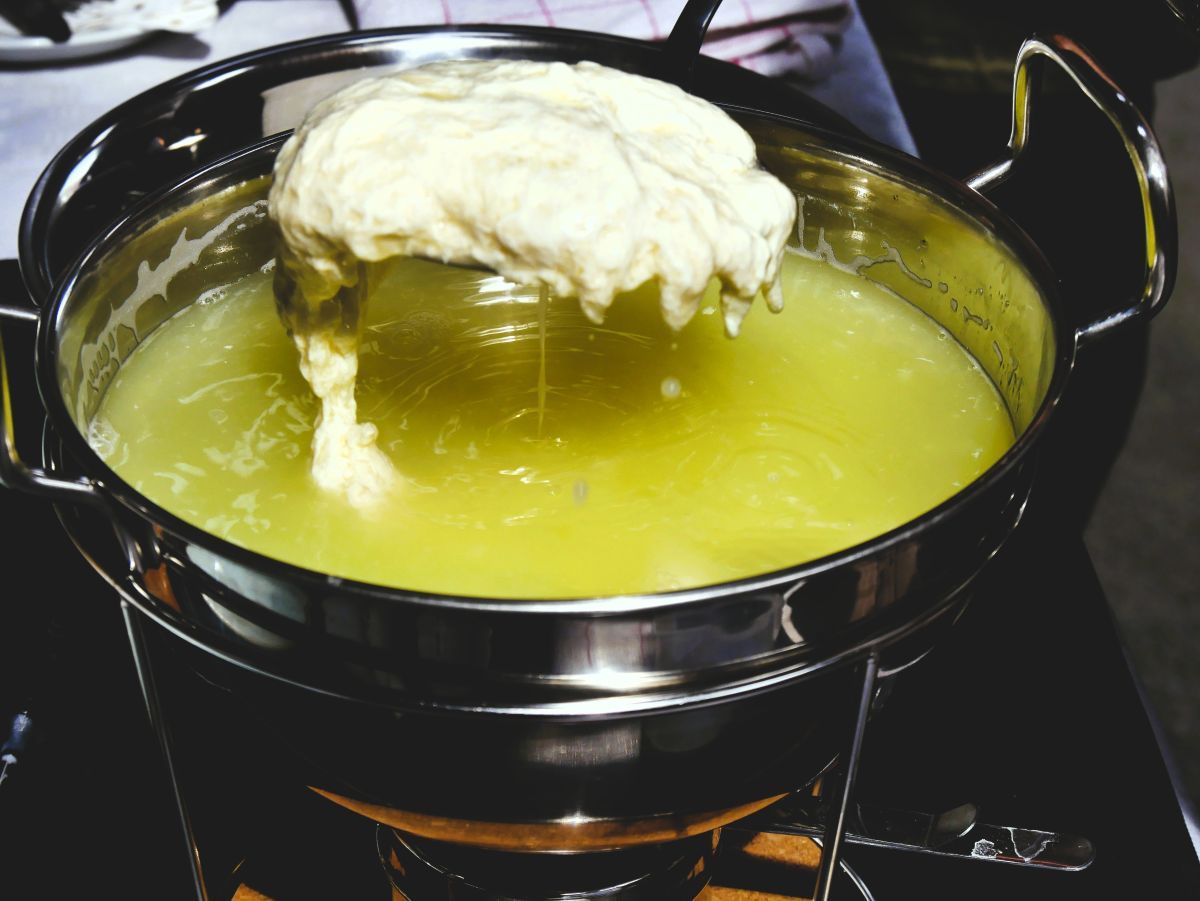
- Slowly pour the remaining curd and whey over the sieve.
- Let it rest briefly, turning it over once or twice if possible.
- Meanwhile, bring salted water to a boil. For a more sustainable approach, use the leftover whey instead of water, salt it, and bring it to a brief boil. Important: whey can boil over easily, so keep an eye on your pot.
5. Kneading and Stretching the Mozzarella
- Once the whey is boiling, lower the heat and dip a portion of your curd into it using a slotted spoon.
- Put on rubber gloves and start kneading and stretching the cheese, first on the spoon, then in your hands.
- If the curd is still crumbly or too cool, dip it back into the hot liquid.
- Repeat dipping and stretching 4 to 5 times, until the cheese is smooth and elastic.
6. Shaping and Cooling the Mozzarella
- Shape your mozzarella mixture into balls.
- Cool the finished balls in ice water.
- Now your homemade mozzarella cheese is ready to eat.