
Herbal walks near you


1 gift card = 10,000 experiences
konfetti – the gift that always fits.



Looking for an event?
For companies or private groups. Request now!






Customer reviews and experiences in Herbal walk
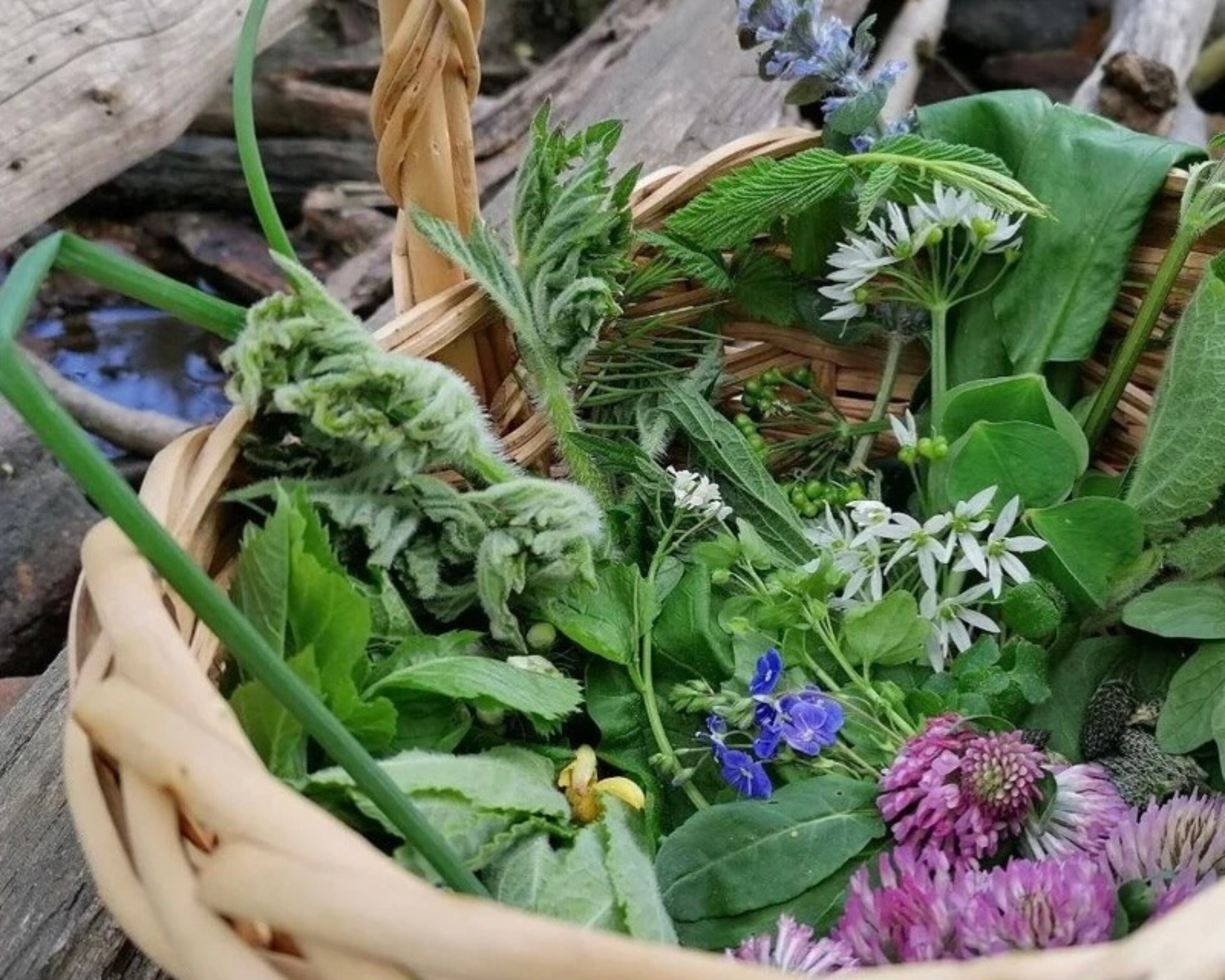
Edible Wild Herb Foraging Walk in Lübeck
Sylvia M., 21.10.2026
hiya
My hike was very nice. Very varied terrain, small group and a very competent guide,
Thank you so much for the great experience
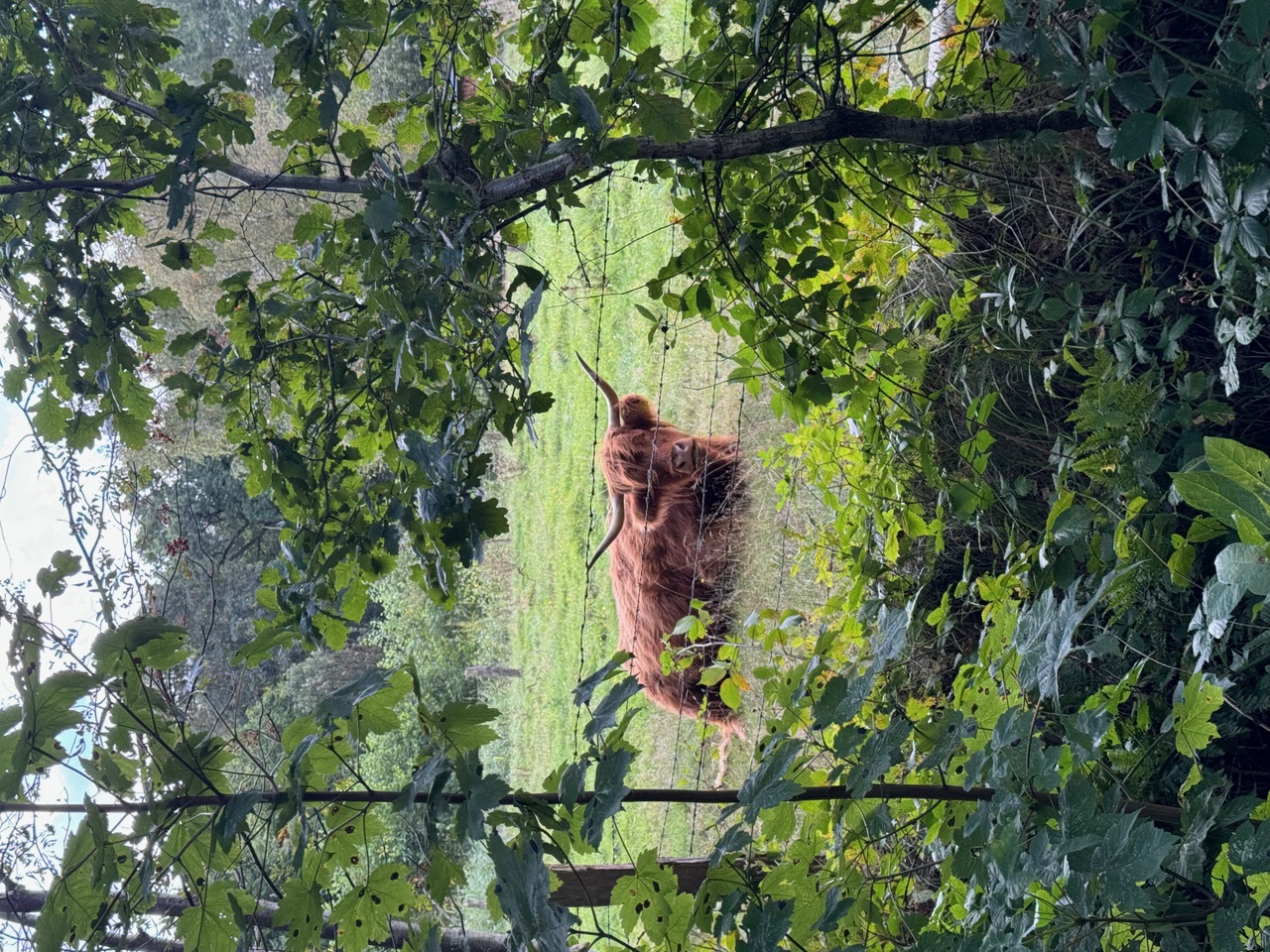
Edible Forest Herb Foraging Walk in Hamburg
Jan B., 19.10.2026
very good, great tour and a very informative event
Mushroom Foraging Tour in Stuttgart-Süd
Anna-Maria R., 11.10.2026
The mushroom hike was a lot of fun for us and was extremely informative at the same time — we learned a lot. In particular, we now know that we shouldn't be so naive when it comes to picking mushrooms. ;-)
Yuri (?) , our guide, w ...
Reviews
Discover Herbal-walk experiences in your city
Book a herbal walk
Herbal walks near you can be booked directly at konfetti: 145 herbal walks, mushroom walks and herb classes from 31 herbalists, nature schools and wild-plant guides in Germany and Austria are currently available. Participants rate the tours 4.88 stars on average across 42 reviews.
Which herbal walks can I take?
Herbal walks differ by focus, length and season:
- Guided wild herb walk: In 2 to 3 hours a herb guide shows you edible wild herbs along paths, in forests and in meadows – Wildschytz runs these tours in more than 20 cities.
- Edible forest: Besides herbs you learn about wild greens, buds, berries and nuts that grow in the woods.
- Mushroom walk: In late summer and autumn you search for edible forest mushrooms with an expert and learn to rule out poisonous look-alikes.
- Herbal walk with a workshop: After the tour the herbs are processed into smudge bundles, salves, tinctures or fermented wild herbs.
- Herbal walk with a cooking class: The greens you gather go straight into wild herb pesto, salads or a full menu.
- Themed walks and retreats: Seasonal herb walks through the year, Walpurgis Night walks, nature journaling or a weekend retreat with yoga.
- Team events and groups: Many guides lead company and private groups of 5 to 20 people, and at your location on request.
How much do herbal walks cost?
Herbal walks cost between 12,00 € and 300,00 € and usually last around 1 hour to 8 hours, depending on the experience you choose. You'll find all further details directly in the individual event descriptions.
Here's a transparent overview for you:
| Herbal Walk Providers | City | Type of Herbal Walk | Duration | Price per Person |
|---|---|---|---|---|
| Marion Thishen-Hendess | Hamburg | Edible forest: herbs, mushrooms and berries | approx. 2 hours | from €20 |
| Gaia Naturschule | Leverkusen | Seasonal herbal walk | approx. 3.5 hours | from €35 |
| Wildschytz | Mühlenbecker Land (near Berlin) | Identify and gather edible wild herbs | approx. 3 hours | from €39 |
| Wildschytz | Munich | Guided mushroom walk in Grünwald | approx. 2 hours | from €59 |
| Gaia Naturschule | Wermelskirchen | Wild herbs and yoga retreat | approx. 2 days | from €250 |
Key facts about our partners
- Wildschytz: The provider with the widest coverage runs herbal walks from €39 and mushroom walks from €59 in more than 20 cities – from Berlin, Hamburg and Munich to Bonn, Dresden, Heidelberg and Augsburg. Groups of up to 16 people learn identification, look-alike risks and uses in the kitchen and home remedies.
- Marion Thishen-Hendess, Hamburg: This nature coach leads 5 to 20 people through Hamburg's forests and teaches how to tell wild herbs apart from poisonous look-alikes; recipe ideas are included. She also offers forest bathing from €20 and smudge bundle workshops.
- Gaia Naturschule, Bergisches Land: This nature school combines herbal walks with ethnobotany – a 3.5-hour seasonal herbal walk in Leverkusen with two experts and a herb tasting from €35, a Walpurgis Night walk in Solingen, nature journaling from €20 and a weekend retreat with fermenting, sourdough bread, salves and yoga.
Herbal walk: What you will learn
On a herbal walk you learn:
- Identifying wild herbs safely: leaf shape, scent, stem and habitat
- Spotting poisonous look-alikes, such as wild garlic and lily of the valley or cow parsley and hemlock
- Foraging sustainably: only take what you need and never in protected areas
- Seasonal classics: wild garlic, ground elder and dandelion in spring, yarrow and St John's wort in summer, rose hips, roots and mushrooms in autumn
- Processing herbs: pesto, herb salt, tea, infused oil or smudge bundles
If you'd like to turn your herbs into salves and creams, a natural cosmetics workshop is the natural next step.
When is the best time for a herbal walk?
Spring, from March to May, offers the widest choice of tender leaves, while medicinal plants such as St John's wort and yarrow bloom in summer. In autumn, from September to November, the focus shifts to mushrooms, seeds, berries and roots – which is when most mushroom walks take place. For every tour you'll need weatherproof clothing, sturdy shoes and a basket or cloth bag; a small knife or scissors is handy.
Herbal walk at home
With what you've learned on a herbal walk you can keep cooking with wild herbs at home – a cooking class offers ideas for wild herb menus. If you'd rather experience nature quietly without a basket, forest bathing is a meditative alternative.


