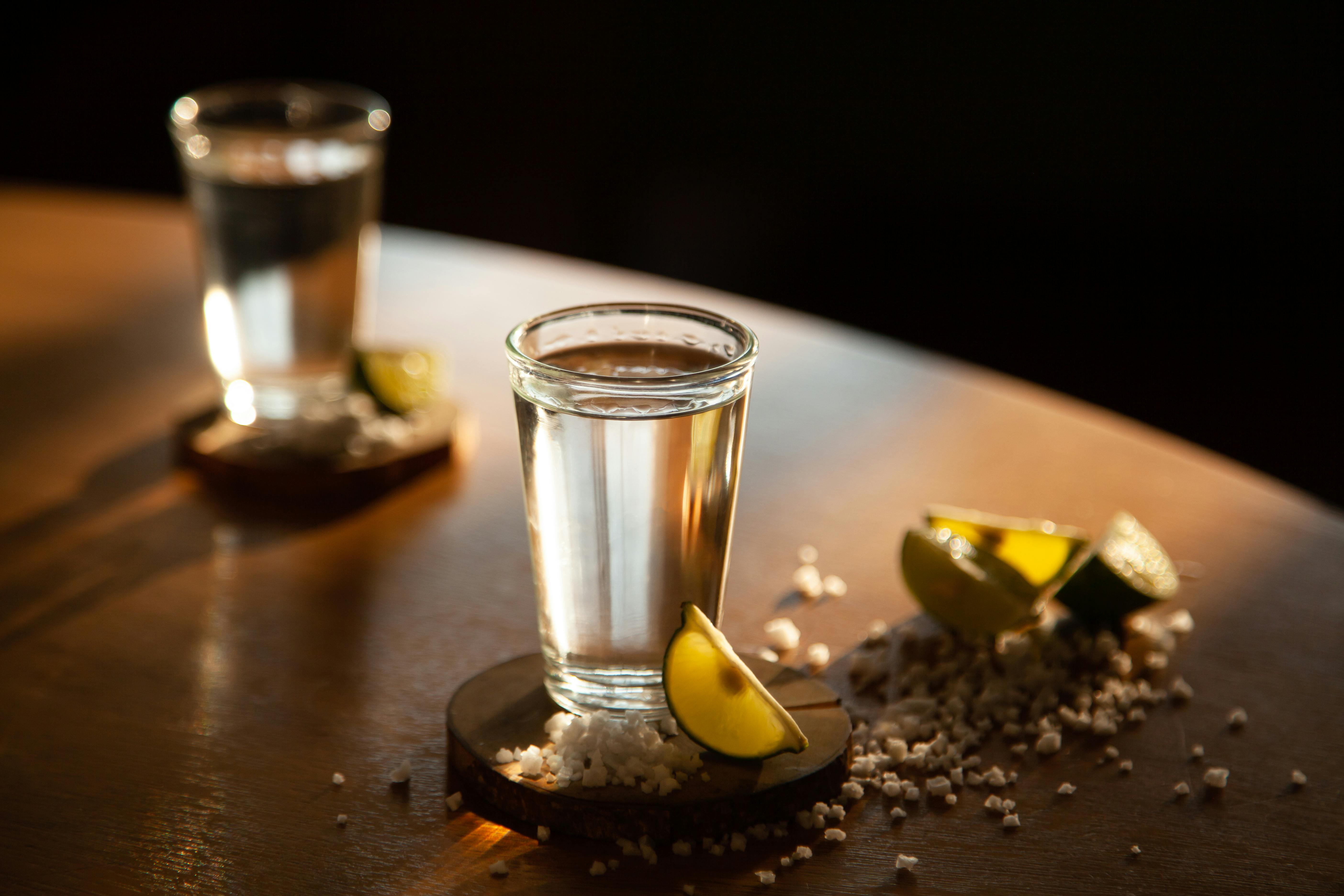
- What tequila is: Tequila is a Mexican spirit made from the blue Weber agave, one of the most strictly regulated spirits in the world.
- Where tequila comes from: Authentic tequila comes from the region around the town of Tequila in the state of Jalisco, Mexico.
- Tequila production: From harvesting the piña to cooking in clay ovens to double distillation.
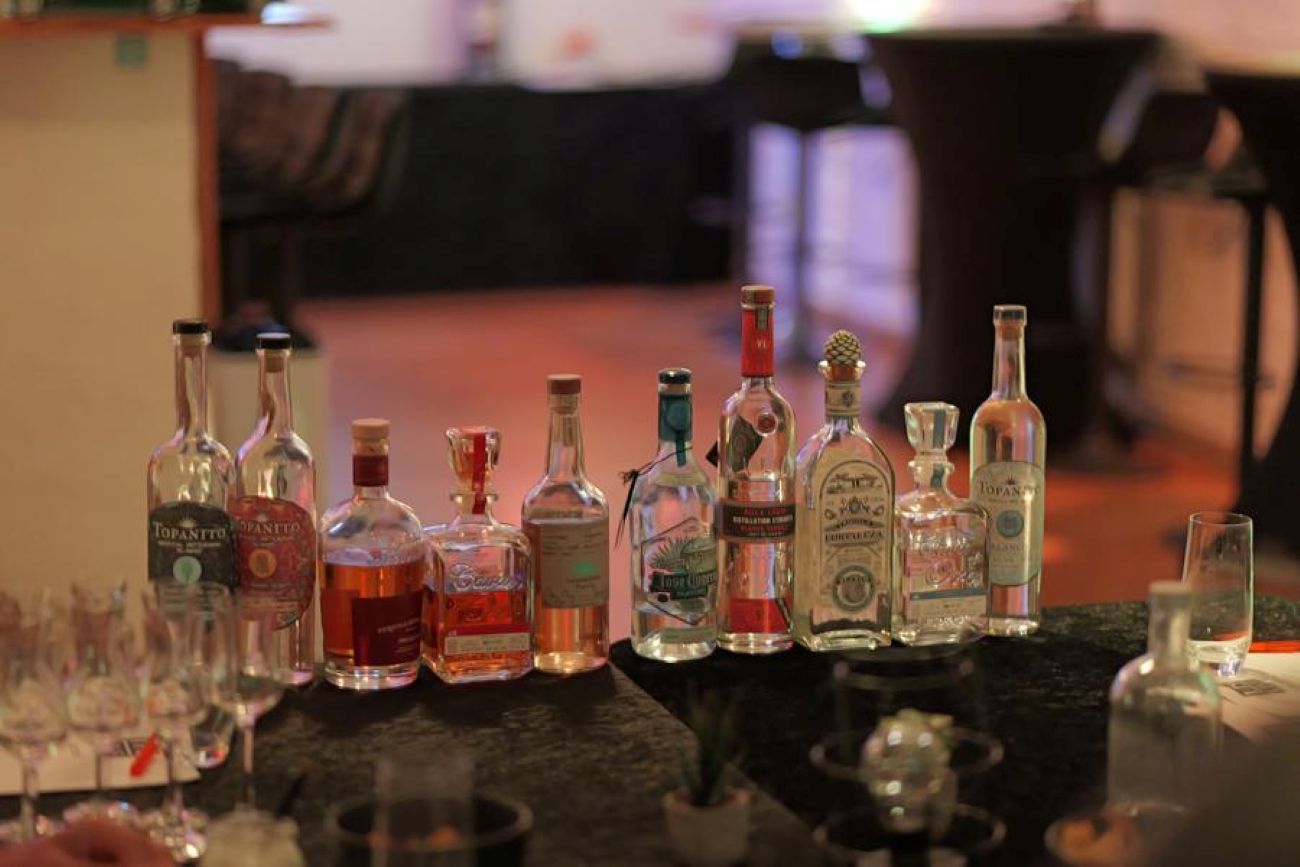
- Tequila tasting in Frankfurt: Enjoy an exceptional tequila tasting in Frankfurt with IN-LIVE Cocktailschule.
What Is Tequila?
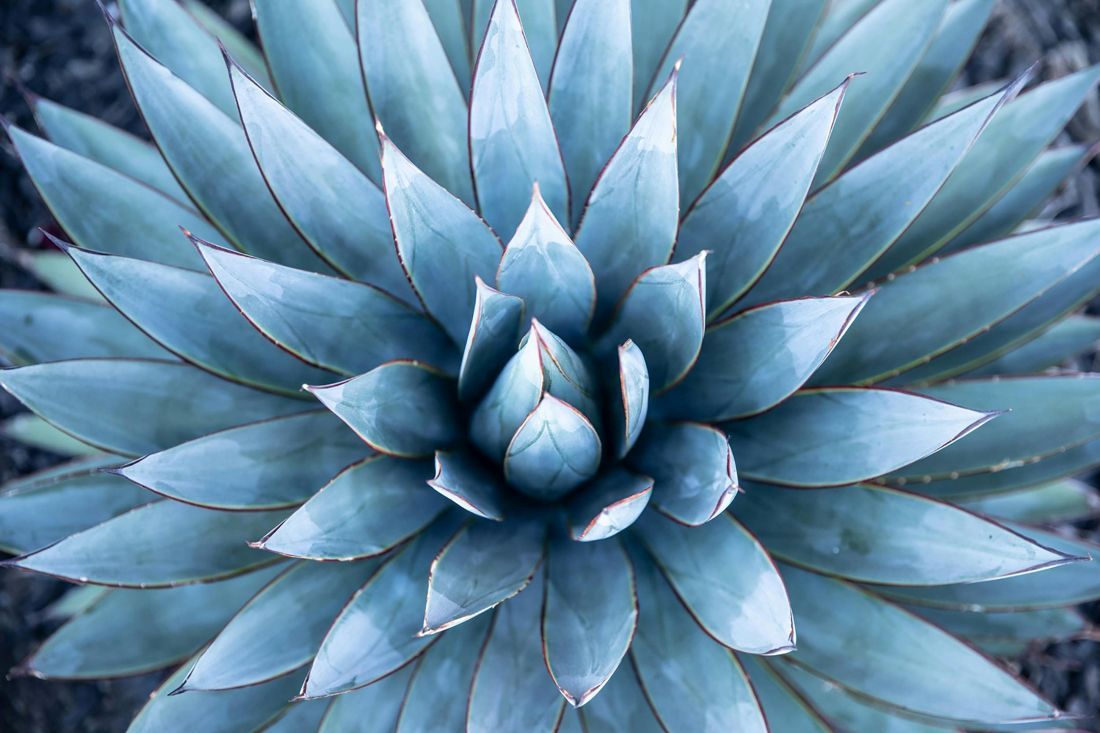
Tequila is a traditional Mexican spirit with a bold character. Tequila is made from Agave tequilana Weber, also known as the blue agave. Thanks to its high sugar content, this plant has long been the source of the rich, mellow flavor that defines a good tequila.
Where Does Tequila Come From?
Tequila's roots run deep into Mexican history. Long before the Spanish arrived in the country, Indigenous peoples were already drinking a beverage called pulque, a mildly alcoholic fermented drink made from the sap of the agave plant, specifically the blue agave. But with the arrival of the Spanish in the 16th century, true tequila production began: people discovered that agave sap could not only be fermented but also distilled, giving rise to the predecessor of today's tequila.
Region of Origin & Protected Designation
The name "tequila" comes from the small town of the same name in the Mexican state of Jalisco. Around the so-called "Tequila Valley," Agave tequilana Weber grows, the source of true agave tequila. Only tequila produced in this region (along with a few other states like Guanajuato, Nayarit, Michoacán, and Tamaulipas) is legally allowed to carry that name. The designation is protected, much like Champagne or Parma ham.
Mixto vs. 100% Agave
Not every tequila is automatically a good tequila. While "100% de agave" varieties use exclusively agave juice, so-called mixto tequila can contain up to 49% fermentable sugars from other sources like corn, sugarcane, or rice. These additions change not only the tequila's composition but also its aroma: the characteristic agave flavor fades into the background. The upside? Mixto tequilas are often cheaper, but noticeably lower in quality.

How Is Tequila Made? – A Step-by-Step Guide
Making tequila is a demanding, hands-on process that requires plenty of time, experience, and careful steps. From the agave plant to the bottled product, many days pass, sometimes even years, when it comes to aged tequila.
1. Harvesting the Piñas (Agave Hearts)
- The blue Agave tequilana Weber is the foundation for tequila.
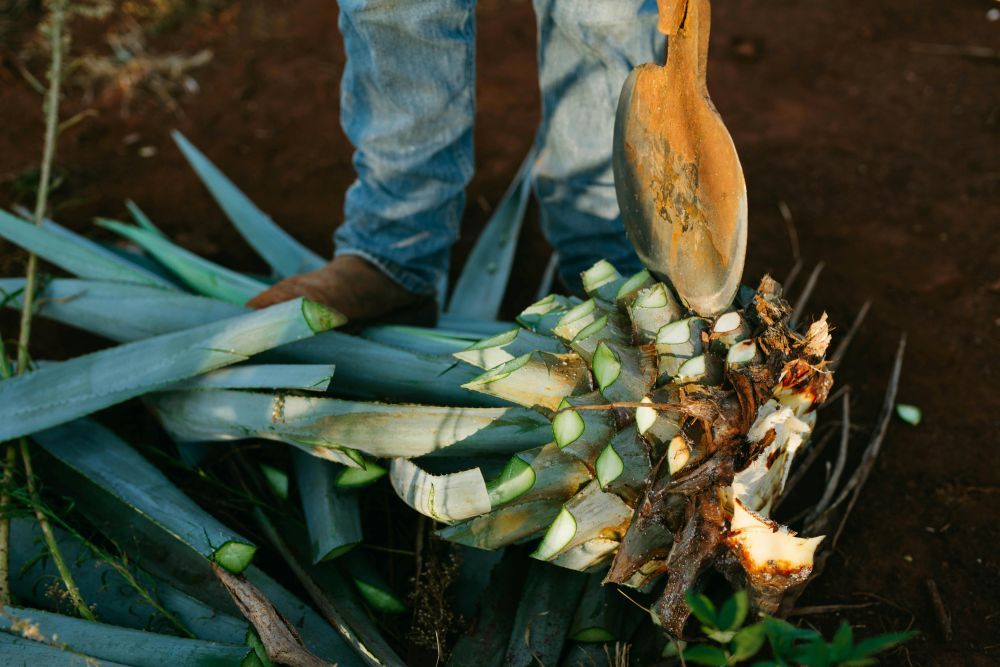
- After 7–9 years of growth, the "piña," the plant's sugary core, is harvested.
- A piña can weigh up to 175 lbs and is cut free from the plant by hand by experienced jimadores.
2. Cooking the Agave Hearts
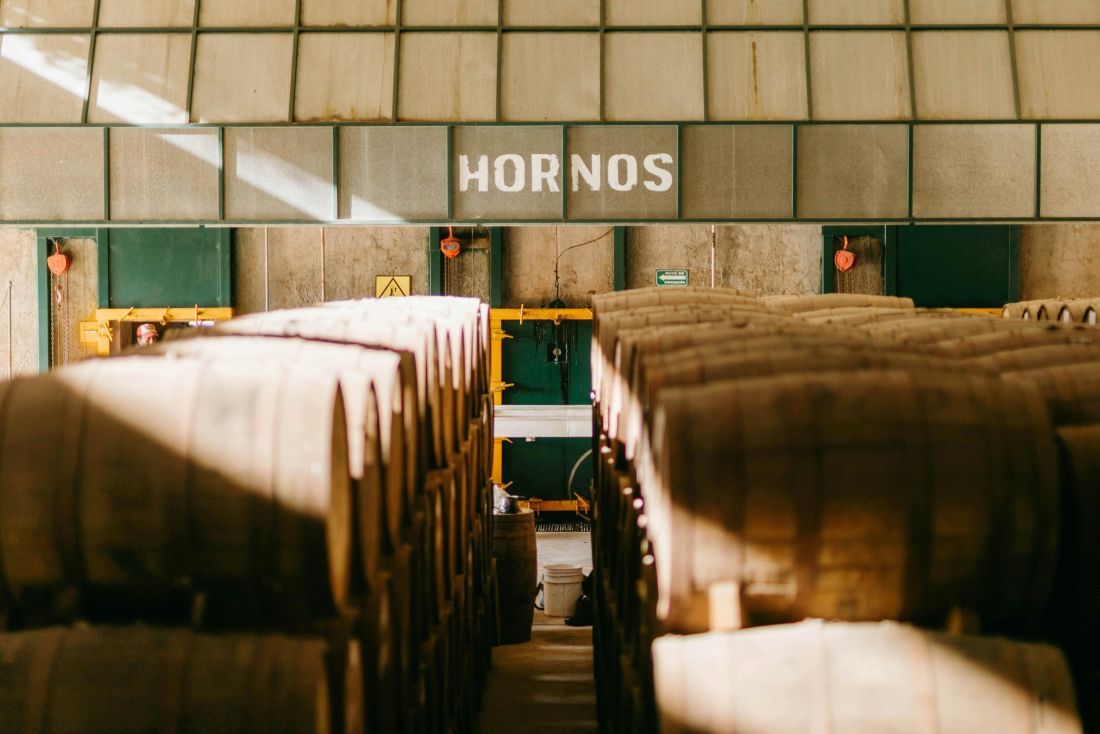
- The piñas are traditionally cooked in hornos (clay ovens) for 24–36 hours at 140–185°F.
- Industrially, autoclaves (pressure steam cookers) or diffusers are also used, faster, but gentler methods yield better results.
- During cooking, inulins (the agave's sugar compounds) convert into fermentable sugars.
- The bitter juice is drained off during this step, since it shouldn't end up in the final tequila.
3. Cooling & Crushing
- After cooking, the agave hearts cool for up to two days.
- They're then crushed and pressed.
- The sweet agave juice extracted this way is called "aguamiel" (honey water).
4. Fermenting the Tequila Ingredients
- Aguamiel, water, and yeast go into fermentation tanks.
- Fermentation takes around 96 hours.
- The sugar converts into alcohol, producing a "must" with about 8% ABV.
5. Distilling Tequila
Double distillation:
- After the first distillation: about 25% ABV.
- After the second distillation: up to 55% ABV.
- This step is crucial for the purity and character of the tequila.
6. Finishing the Tequila
- The high-proof tequila is diluted with water.
- Final alcohol content: between 35% and 50% ABV.
- Exceptions: barrel-strength tequilas with up to 55% ABV, unfiltered and unaltered, ideal for fans of extra-strong tequila.
Aging Levels and Quality – How Tequila Changes Through Aging
Not every tequila is aged, but those that are gain noticeably in flavor, color, and complexity. Different categories are defined by how long the tequila ages. The production method plays a role in this classification, as does the type of barrel and the length of aging.
Tequila Blanco (Silver, Plata)
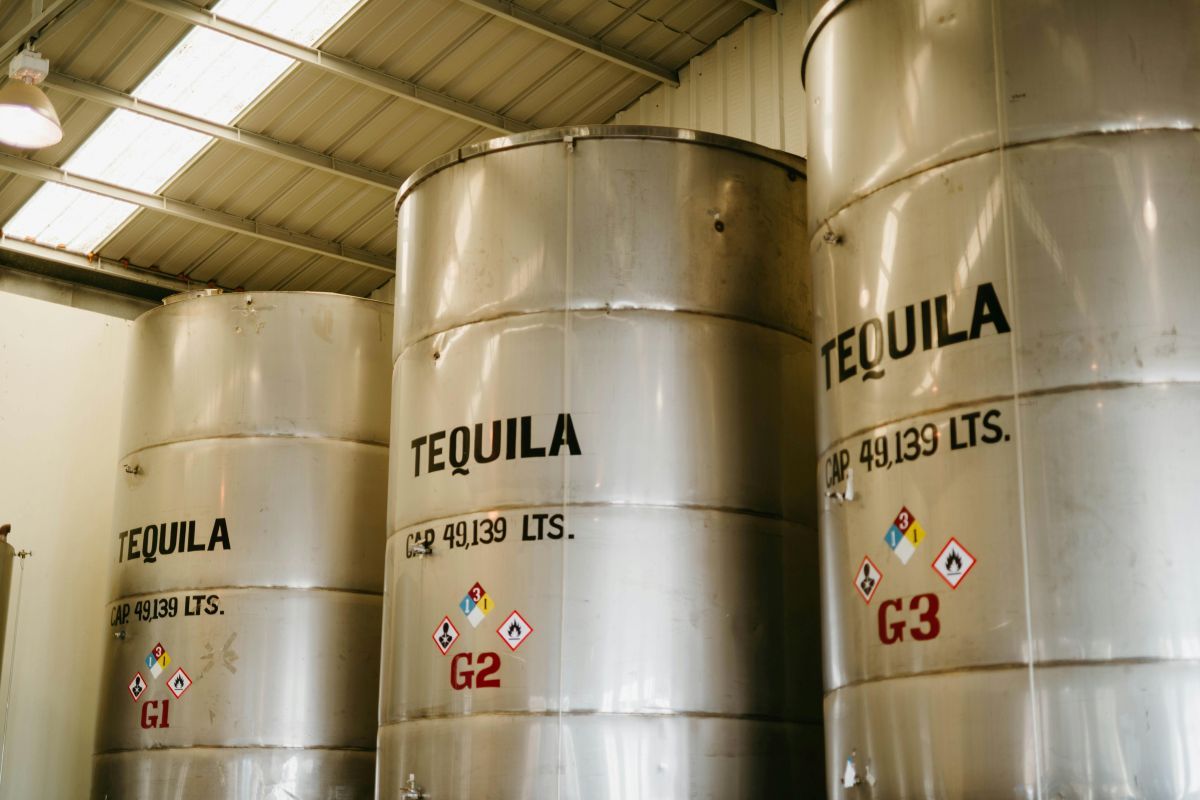
- After distillation, it's stored in stainless steel tanks for up to two months rather than in wood barrels.
- "Rested in stainless steel" is a genuine mark of quality for a high-end blanco.
- Blanco tequila is crystal clear, fresh, and unaltered, ideal for cocktails or, for the bold, enjoyed neat.
- Because it skips barrel aging, the flavor stays especially pure and true to the agave.
Tequila Reposado
- Ages for at least 2 months in oak barrels.
- This gives it a delicate golden color and a mellow, slightly sweet flavor.
- Reposado is ideal for anyone who prefers a good tequila with a bit more depth and smoothness.
Tequila Añejo
- Añejo means "aged," for at least 1 to 3 years in small oak barrels.
- The alcohol content stays the same, but the complexity increases significantly.
- The result: a refined tequila with distinct notes of vanilla, caramel, and wood.
Tequila Extra Añejo
- This special tequila category has only officially existed since 2006.
- It must age for at least 3 years in oak barrels.
- The result is an almost whisky-like tequila, intense and often a real rarity.
How to Recognize Good Tequila: The CRT and the NOM Number
To ensure that only authentic, high-quality tequila is distilled and sold, the Consejo Regulador del Tequila (CRT) oversees every step of production, from the agave plant to the bottle.
- Every certified distillery receives a unique NOM number (Norma Oficial Mexicana).
- The label will also show "Hecho en México," which guarantees its origin.
- Tequila's composition, growing regions, and production rules are all strictly regulated.
- Only producers who meet every requirement are allowed to market their product as tequila.

Tequila Myths
Tequila is more than just a drink, it's deeply rooted in myths, rituals, and ancient legends. From spiritual goddesses to rabbits dancing at night to the famous worm in mezcal.
The Worm in Mezcal (Not in Tequila)
- The famous "gusano" (worm) isn't found in tequila, it belongs to mezcal.
- There are two types: gusano rojo (a red moth larva) and gusano de oro (a golden beetle larva).
- The worm was once seen as a symbol of purity: if it didn't decompose in the alcohol, the spirit was considered "authentic."
- The worm was introduced in the 1940s as a marketing gimmick for the U.S. market.
- The worm is legally prohibited in tequila.
Mayahuel – The Goddess of Agave
- Aztec goddess of fertility and the origin of the agave plant.
- Her shattered body gave rise to the first agave, she sacrificed herself for humanity.
The 400 Rabbits (Centzon Tōtōchtin)
- Mythical children of Mayahuel and the rain god Tlaloc, or the pulque god Patecatl.
- The rabbits represent the many faces of intoxication: each rabbit brings a different state, love, weeping, disappearing, and more.
- They symbolize the unpredictable effects of alcoholic drinks.
The Moon – The First to Drink
- In Aztec mythology, the moon was female.
- She's said to have been the first to drink the heavenly agave beverage (pulque), which is why she "sways" across the sky every night.