Feminist Art - The Key Facts:
- Feminist art reveals: images, roles, and beauty ideals are often not neutral, but shaped by power and habit.
- Its goals include: making one-sided visual patterns visible, expanding perspectives, and strengthening self-determination.
- Feminist colors aren't a fixed palette. Colors are used deliberately because they carry cultural meaning.
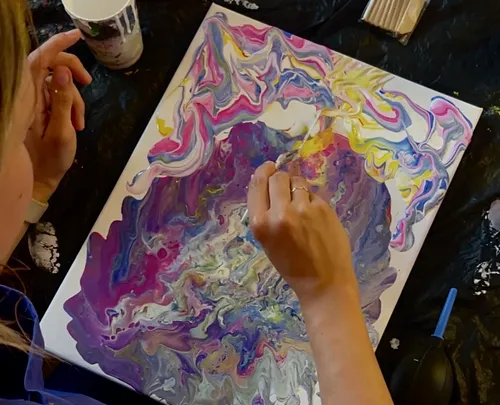
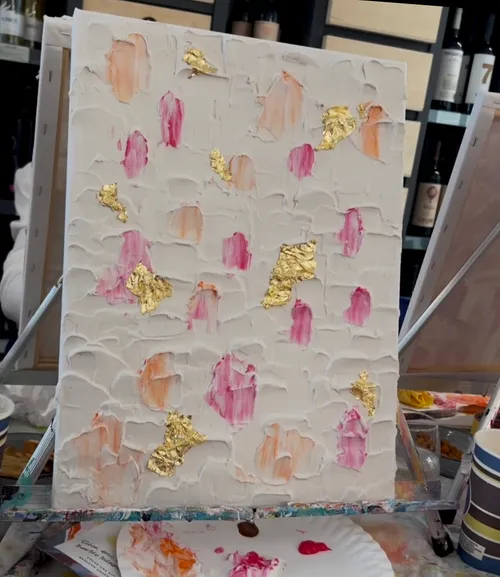
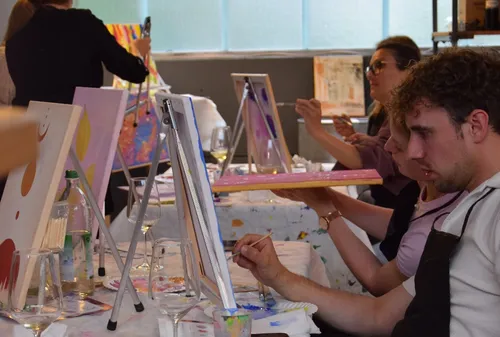
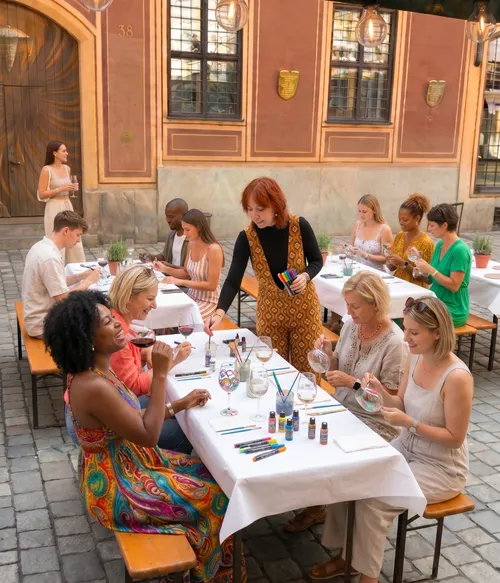
- Join the artily and paint your own pictures at the Paint and Drink workshop in Augsburg.
What is feminist art?
Feminism in art grapples with social inequalities. It's especially concerned with how gender is portrayed in media and everyday life. It's not a classic style like Impressionism or Pop Art. Instead, feminist art is a substantive engagement with deep questions:
- Who gets shown in images as active, strong, and in control?
- Who gets portrayed as beautiful, passive, or "to be looked at"?
- Which bodies count as "normal" - and which don't?
You can find a classic example in art history: in many traditional paintings, women are frequently shown nude, passive, and from an observing perspective. Men, by contrast, often appear as active figures or as "creators." At first glance this looks very aesthetic, but it isn't neutral. It reflects a very particular point of view.
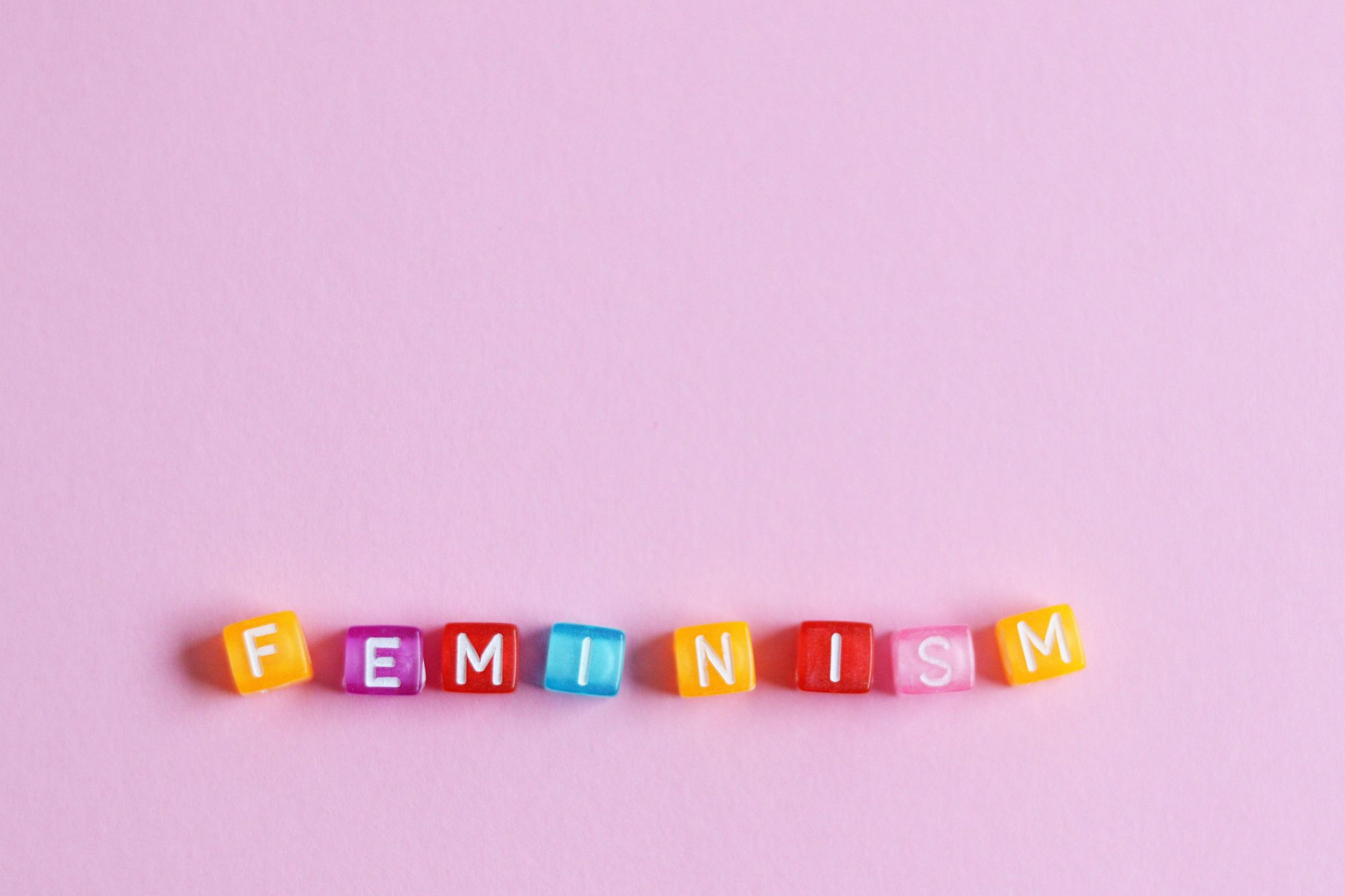
This is exactly where feminist painting comes in. It picks up on these old patterns, shifts perspectives, and deliberately confronts you with unfamiliar depictions. This quickly makes something visible: what often feels "self-evident" is really just the result of choices - and can therefore be told in a completely different way.
In brief: what does "feminist" mean?
"Feminist" simply means: you don't just look away when people are treated unequally or reduced to certain roles. You ask why. And you look for ways to make things fairer and freer for everyone. In art, that means: the canvas becomes a safe place where such patterns are allowed to become visible. Here, new images can emerge in which far more people finally see themselves reflected.
What goals does feminist art pursue?
The movement has a clear purpose. It wants to show you that many of the images we're used to seeing in everyday life didn't come about "just like that." The feminist avant-garde of the 1970s already boldly revealed which perspectives dominate, opening up exciting alternatives. The easiest way to understand this is through concrete examples.
1. Questioning existing modes of representation
Many images feel "normal" to you simply because you see them constantly. A typical example is advertising: women are often shown there in a highly idealized way. They have smooth skin, particular body measurements, and fit clear beauty standards. Feminist paintings and modern artworks deliberately counter this with honest images:
- Bodies with wrinkles, scars, or a belly.
- Poses that aren't "pleasing," but come across as confident or unapologetic.
- Perspectives in which the person depicted visibly keeps control over the gaze.
This makes it clear: the familiar ideal isn't neutral - it's artificially constructed.
2. Expanding one-sided visual worlds
Many lived realities are shown to us, but often only in a softened, idealized version.
Motherhood is a good example: you often see images of harmony, happiness, and perfection. Art deliberately shows you the other side too. You see exhaustion, being overwhelmed, or the feeling of standing between other people's expectations and your own identity. In doing so, it expands what we as a society even perceive as "showable."
3. Changing self-images and enabling identification
Images shape, to a significant degree, how we see ourselves. When we're shown almost exclusively very slim, young, white, "perfect" bodies, the feeling quickly sets in: I should look like that too.
That's why artworks deliberately show a wide range of different bodies. You see different age groups, body shapes, skin tones, or people with disabilities. This isn't a short-lived "trend" - it's a firm statement: beauty and dignity aren't tied to any single standard.
4. Elevating themes that were long undervalued
Another focus is this: this art form shifts what even counts as an "important" subject. Everyday labor and care work (that is, caregiving, housework, emotional labor) were long dismissed as purely private or trivial. Today they're moving to the center, underscoring that this work keeps our society running and deserves full visibility.
What are feminist colors?
There's no single "the" feminist color palette. The colors emerge through their meaning - it's about what a color expresses for you in a specific context. Colors aren't just decoration. We automatically associate certain ideas with them. Art uses precisely these learned meanings, either to reinforce them or to flip them completely.
- Pink: making clichés visible and reclaiming them. Pink was long tied to stereotypical ideas of femininity. In art today, pink is often used to break those clichés open. This process is called reclamation: you take back something that was devalued and proudly give it new meaning.
- Red and black: stand for energy, resistance, and clarity. Red often symbolizes strength or anger at protests. Black creates clarity and demarcation in strong political statements.
- Purple: stands for dignity, justice, and political history. Purple was already used by the suffragettes. Its meaning is historically tied to political demands. Purple is also made from blue (objectivity) and red (emotion). In combination, purple shows that these qualities strongly belong together.
Feminist art today, in your everyday life
The art world keeps evolving and responding to current issues. Today it shows up in many forms and brings its powerful messages directly into your home. Feminist wall art is a great way to make a statement within your own four walls. Whether through feminist posters with clear messages or high-quality feminist art prints, you can easily and stylishly bring your stance into your living room today.
Feminist artists are also very active in the digital space. They use platforms like Instagram to share unretouched photos or deliberate counter-images. A major focus today is diversity: it's no longer just about gender, but also about origin, body shapes, disability, and identity.
Feminist Art – FAQ
Discover classes of the artily