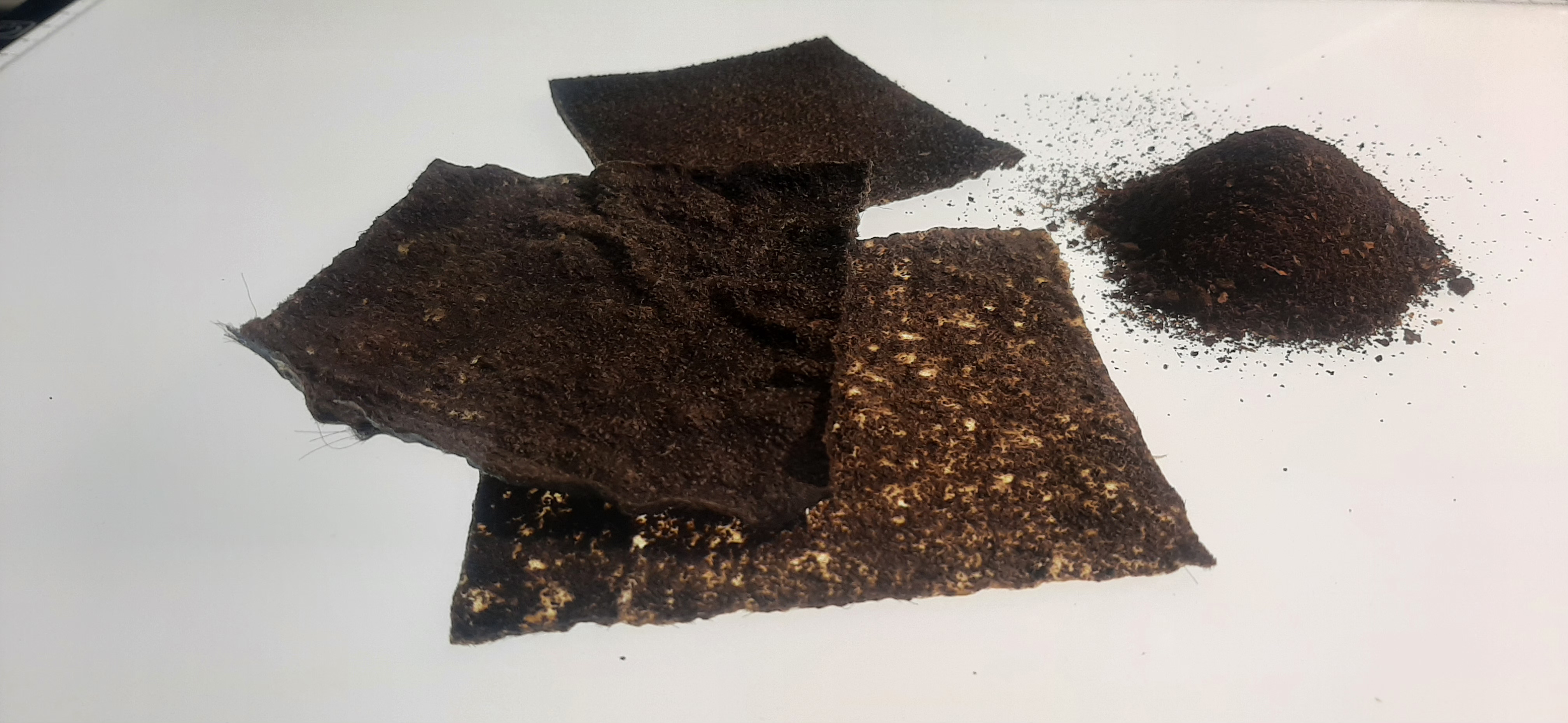
Bioplastic – The Basics:
- Bioplastic describes bioplastic materials made from renewable resources like corn or algae.
- Bioplastics are an environmentally friendly alternative, but they aren't always biodegradable.
- You can even make bioplastic at home.
Bioplastic – a term that has become increasingly important in recent years when it comes to sustainability and environmental protection. More and more people are looking for alternatives to conventional plastic products. But what exactly is bioplastic? What types of bioplastics exist? And is bioplastic really as good as it seems? Learn to create sustainable things in one of 1,727 DIY classes.

What Is Bioplastic?
Bioplastic is an umbrella term for plastics made from renewable raw materials. Unlike conventional plastic, which is derived from petroleum, bioplastic is based on plant materials such as corn, sugarcane, cellulose, or algae. These renewable resources serve as the starting material for producing bioplastics. Making bioplastic can therefore help reduce our dependence on limited fossil resources and lessen the negative environmental impact of plastics.
Creative ideas in your inboxSign up for the newsletter and receive DIY trends and creative workshops near you by email.


What Types of Bioplastics Are There, and What Are They Made Of?
Bioplastics, like conventional plastics, are primarily made of synthetically produced polymers. A polymer is a large molecular chain made up of repeating units called monomers. In plastics, the type of monomer and how it's linked determines the material's properties. This polymer structure gives plastics their characteristics, such as hardness, flexibility, and transparency. In conventional plastics, the monomers are often derived from petroleum, while bioplastic is based on biodegradable monomers from renewable resources.
There are several types of bioplastic, each with different properties depending on the manufacturing process and raw materials used. Here are a few examples:
- Polylactic acid (PLA): PLA is one of the best-known bioplastic polymers. It's made from lactic acid, which in turn is derived from corn starch or sugarcane. PLA is used in disposable tableware, packaging, and 3D printing.
- Polyhydroxyalkanoates (PHA): PHA bioplastics are produced with the help of microorganisms. They're used in a wide range of applications, including packaging and medical devices.
- Plant-based polyethylene terephthalate (PET): This bioplastic is based on plant-derived raw materials and can be used similarly to conventional PET plastic for bottles and packaging.
- Starch-based bioplastics: These use starch as the main component, sourced from potatoes or grains. They're biodegradable and used in packaging, tableware, and films.
- Algae-based bioplastics: This innovative class of bioplastics is made from algae extracts. They're sustainable and biodegradable, with applications ranging from packaging to cosmetics and textiles.

Is Bioplastic Biodegradable?
Not all bioplastics are 100% biodegradable. The conditions for biodegradation can vary and depend on factors like temperature, humidity, and microorganisms. Not all components of bioplastics are equally biodegradable. While the polymer matrix can break down biologically, added dyes or reinforcing materials like artificial fillers, glass fibers, or metal additives cannot be broken down and may need to be industrially separated and disposed of separately beforehand through a complex process.
How Environmentally Friendly Is Bioplastic?
Bioplastics can also place greater demands on agricultural land for growing raw materials. Production can be energy-intensive, and it's also important to consider the transport routes of raw materials, which can cause additional CO₂ emissions. However, using renewable raw materials and agricultural waste products can help reduce the negative environmental impact of plastic.
The natural ingredients make bioplastic an environmentally friendly alternative to conventional plastic, which famously takes many centuries to break down in the environment. It's also important to remember that packaging, even when labeled as fully biodegradable, shouldn't be carelessly discarded into the environment. To avoid falling for greenwashing, careful consideration and selection are needed to ensure the bioplastic actually meets the intended environmental goals.

How Can I Make Bioplastic Myself?
If you'd like to get creative and make your own bioplastic, you'll find various recipes and instructions online. The simplest recipe consists of ingredients like water, plant-based glycerin (not petroleum-derived), starch, and vinegar, and can even be made in your kitchen. Homemade bioplastic isn't as sturdy as commercially produced bioplastic, but it works well for experiments and subsequent alternative art and textile projects. You can also use bio-waste and natural dyes from plants or food to design your bioplastic.

Bioplastic – FAQ
Discover classes of TextileLab.Berlin


You might also like: