Gouache – What Beginners Should Know
- What makes gouache paint special: Gouache combines the opacity of acrylic with the flexibility of watercolor.
- What you need to paint with gouache: A set of gouache paints, a few good gouache brushes, a mixing palette, a water container, and thick paper are all you need to get started.
- Which paper for gouache: 200 gsm watercolor or mixed-media paper works best, as it absorbs water well and doesn't warp.
- Paint intuitively with gouache: Visit the intuitive painting class in Berlin at intuarts.
What Is Gouache?
Gouache is a water-soluble paint known for its creamy consistency, high opacity, and matte finish. It's made from color pigments, a binder (often gum arabic), and white fillers like chalk. Gouache painting uniquely combines spontaneity, expression, and control. If you're looking for a paint that sits somewhere between watercolor and acrylic, you'll love working with gouache.
What Makes Gouache Special?
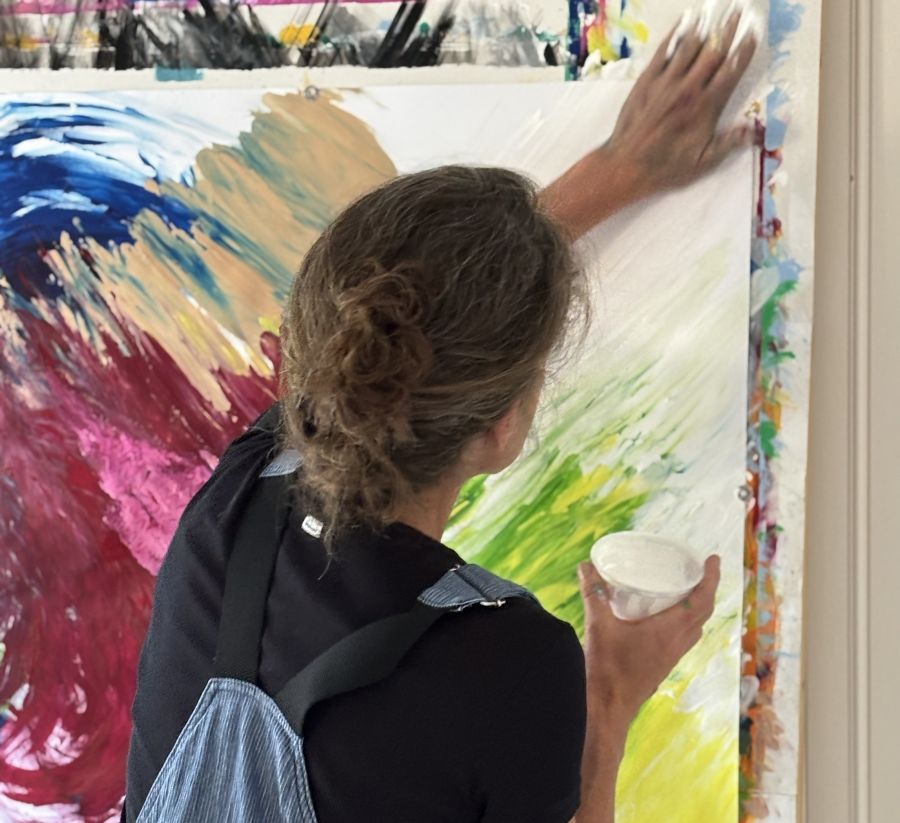
While painting, gouache feels almost velvety, brushstrokes remain visible, and yet every layer can be reactivated with a bit of water. This opens up exciting possibilities for corrections, reworking, or spontaneous color blends.
That's what makes working with gouache such a rewarding experience, especially for beginners.
Another advantage of gouache painting is that it dries matte, without any glossy reflections. This makes it ideal for gouache drawings, posters, or illustrations that will later be scanned or digitized. Even delicate shades keep their vibrancy.

What Materials Do I Need to Paint with Gouache?
Getting started with gouache painting is simple. You only need a few, well-chosen materials. Here's a practical overview:
1. Gouache Paints:
- For beginners, a small set with primary colors, black, and white is enough.
- Look for artist-quality paint for vibrant, lightfast colors.
Tip: The best gouache paint is often the one with a high pigment content, it goes further and delivers more brilliant results.
2. Gouache Brushes:
- Soft, round brushes or flat synthetic brushes work especially well.
- Look for good spring in the bristles so you can paint with control and also cover larger areas.
3. Paper or Painting Surface:
- Thick paper (at least 200 gsm), ideally with a bit of texture.
- Alternatively, gouache also works well on cardboard or special painting pads.
4. Water Container:
- For cleaning brushes and diluting paint, also important for glazes or soft transitions.
5. Mixing Palette:
- A smooth surface (e.g., a porcelain plate, mixing palette, or plastic lid) for blending colors.
6. Cloth or Paper Towel:
- For dabbing brushes or removing excess water.
What Paper Should You Use for Gouache?
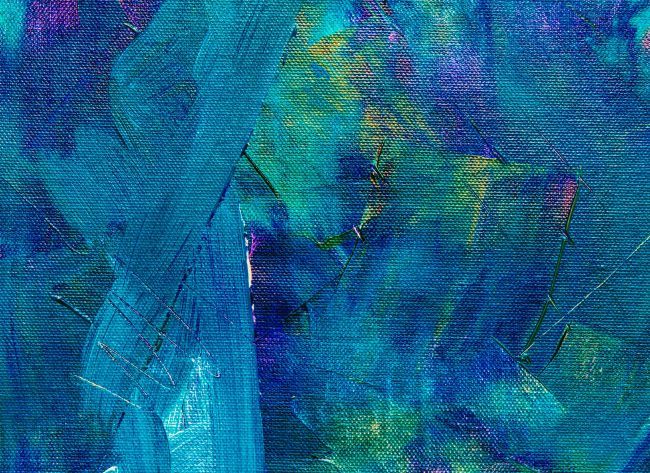
Gouache on paper works best when the paper is sturdy enough to hold water without warping too much. Use paper with a weight of at least 200 gsm. Thick, slightly textured paper gives you the stability you need, especially when working with multiple layers or a lot of water. Smooth paper can quickly become blotchy or buckle.

Test Different Surfaces
For finer details or gouache drawings, hot-pressed (smooth) paper works well, while slightly textured watercolor paper creates beautiful effects for freer, looser painting.
My Favorites:
- Cold-pressed watercolor paper (slightly textured): perfect for gouache techniques, glazing, and opaque application.
- Mixed-media paper: ideal for experiments, sketches, and gouache painting combined with other media.
- Bristol board or drawing card: smooth, sturdy, and great for flat areas of color or lettering.
It's worth trying out a few different options. You'll quickly discover which surface feels most comfortable for you.
How Do I Paint with Gouache?
If you want to learn how to paint with gouache, you don't need to worry about mistakes, this paint is very forgiving and invites experimentation. Here are a few tried-and-true tips to make getting started easier:
1. A Little Water - Or a Lot:
You can apply gouache opaquely or as a glaze, depending on how much water you use. For rich, solid colors, use less water; for watercolor-like effects, use significantly more. This is how you discover a whole range of different gouache techniques.
2. Light Over Dark? No Problem:
Unlike watercolor painting, with gouache you can layer light colors over dark ones. That makes it ideal for layered work and corrections.
3. Dries Quickly - But Stays Reactivatable:
The paint dries matte and fairly quickly, but can be reactivated at any time with a bit of water. This is helpful if you want to spontaneously fix something or rework details later.
4. Start Big, Then Go Small:
Begin with broad areas and gradually work your way toward the details. This classic painting technique also works well for gouache.
5. Don't Overload Your Brush:
A clean, slightly damp gouache brush gives you control. Avoid picking up too much paint or water at once, this way you keep a clear overview of your painting.
With these basics, getting started with gouache will feel easy.

What's the Difference Between Gouache, Watercolor, and Acrylic Paint?
Here's a quick overview of the key differences, compact and at a glance:
Property | Gouache | Watercolor | Acrylic Paint |
|---|---|---|---|
Opacity | Highly opaque, can also be used as a glaze | Transparent to semi-transparent | Highly opaque |
Consistency | Creamy, velvety | Fluid, light | Thick, pasty to creamy |
Drying Time | Relatively fast, stays reactive with water | Very fast | Fast, depending on layer thickness |
Water Solubility | Yes, reactivatable even after drying | Yes, permanently water-soluble | Only water-soluble while wet, water-resistant afterward |
Surface Finish | Matte, velvety | Matte to slightly glossy | Often glossy |
Use on Paper | Ideal for gouache paper, cardboard, or mixed media | Best on watercolor paper | On canvas, paper, wood, or cardboard |
Ability to Correct | High - thanks to reactivatability | Low - mistakes are hard to fix | Medium - can be partially painted over |
Advantages | Combines opaque & glazing painting, correctable, vibrant | Transparent, light, ideal for delicate gradients | Durable, water-resistant, versatile |
Disadvantages | Sensitive to moisture, not permanently water-resistant | Hard to correct, colors can fade on the wrong paper | Dries fast, hard to correct |
How Do You Pronounce Gouache?
Gouache is pronounced "gwash" - with a soft "sh" sound at the end. The term originally comes from French and was derived from the Italian word "guazzo," which roughly means "puddle of water." Fitting, since gouache paint is mixed with water and can be liquefied again at any time.