Learning to Sew - How to Learn Sewing
- Why learn to sew yourself: When you sew your own clothing or decor, you work sustainably and create unique, one-of-a-kind pieces.
- Materials for learning to sew: Fabric scissors, paper scissors, thread snips, marking tools, pins or clips, measuring tape, seam ripper.
- Learning to sew: Take a sewing class for beginners.
Wondering why you'd still want to learn to sew in the 21st century, when clothing and home decor are available cheaply on every corner? It's simple: learning to sew as a beginner isn't just about fabric and thread, it's about expressing your creativity, thinking more sustainably, and creating something unique with your own two hands. You decide the design, the cut, and the style. That's exactly what makes every piece a one-of-a-kind creation.
Why Sewing Is Popular Again Today
Sewing has long since become more than just a nostalgic craft to learn. More and more people are discovering sewing as a slow, mindful hobby that combines creativity with presence. With a bit of practice, you can repair clothes, learn to sew your own garments, make gifts, or decorate your home with handmade accessories.
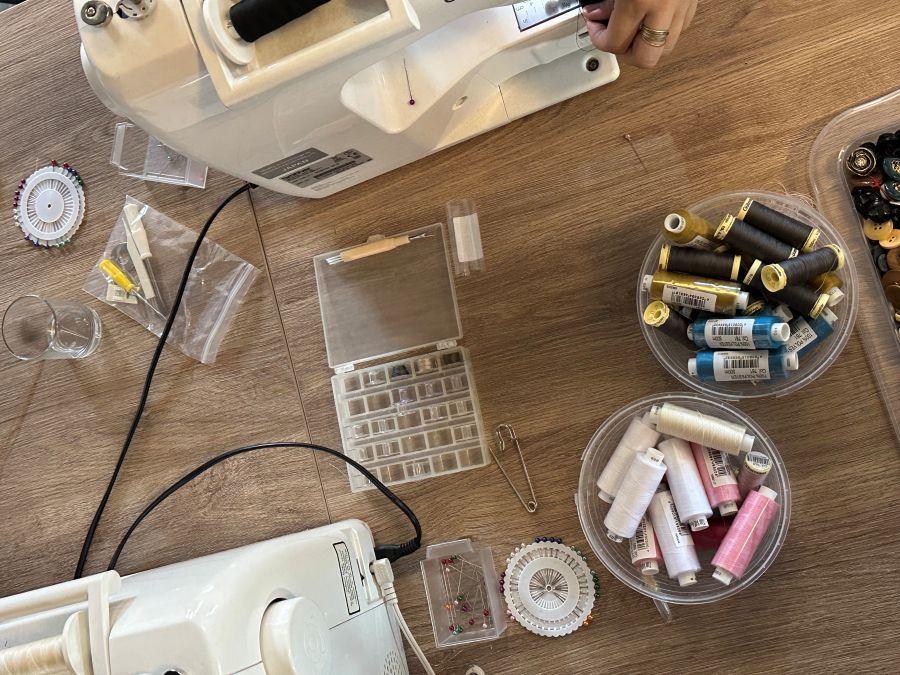
Sewing by Hand or with a Sewing Machine?
There are two ways to get started with sewing.
Sewing by Hand:
Ideal for getting a feel for fabric and thread. You'll learn basic stitches like the running stitch, backstitch, or hem stitch, perfect for small repairs or fine handwork.
Sewing with a Machine:
If you want to learn to sew with a machine, a whole new world of possibilities opens up: you can sew clothing, design bags, or create home decor. The technique can feel a bit challenging at first, but with a good sewing class, getting started becomes much easier.
Tip: When choosing your first sewing class, look for an instructor with training in clothing design or textile work. This way, you'll learn the right techniques and tricks from the very beginning.
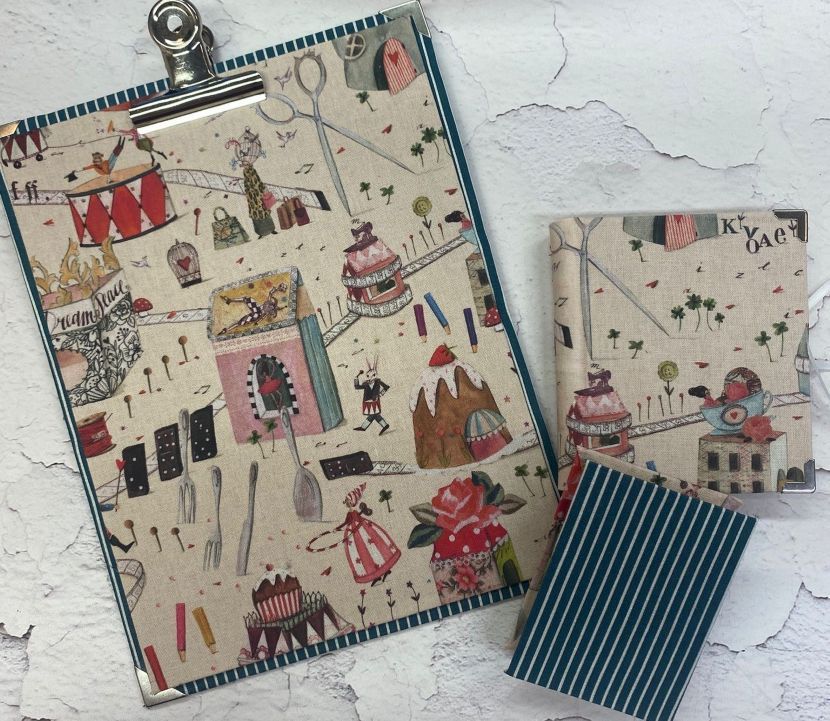
The Basic Kit – What You Need to Learn to Sew:
You don't need a huge studio to learn sewing step by step. With this basic kit, you're guaranteed a good start:
- Fabric scissors, paper scissors & thread snips
- Marking tools (e.g. tailor's chalk or a tracing wheel)
- Pins or clips
- Measuring tape & sewing gauge
- Seam ripper
- Pincushion & hand-sewing needles
- Thread in matching colors
- Fabric and patterns
- A reliable sewing machine
Tip: Invest in a solid, easy-to-use machine. Brands like Singer, Brother, or Pfaff offer models specifically designed for beginners.
What Fabric Is Best for Sewing Beginners?
A common beginner mistake is starting right away with stretchy fabrics. These are more demanding since they shift easily. If you're learning to sew as a beginner, the following materials are ideal:
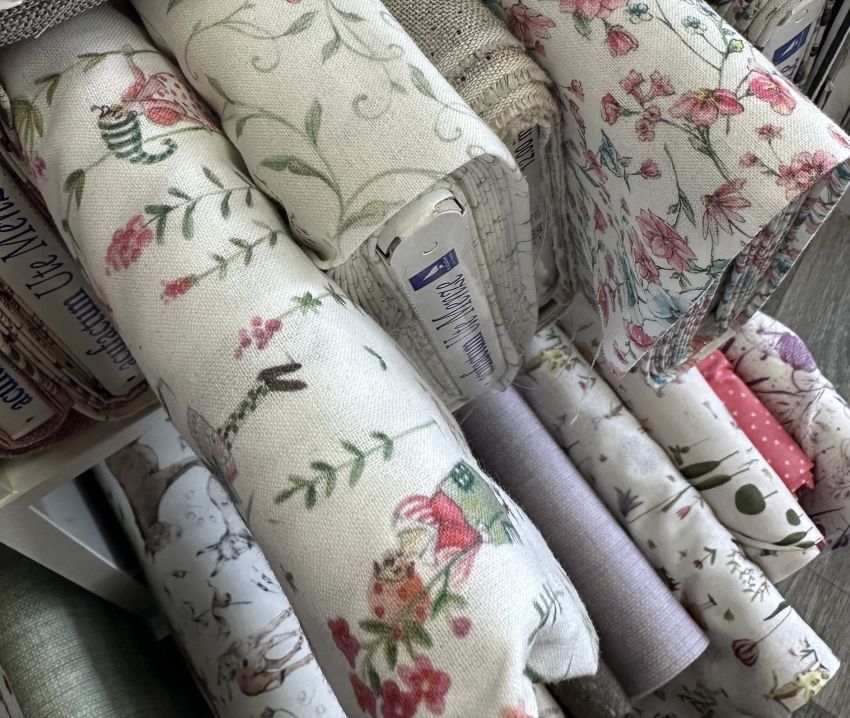
- Cotton fabrics: Easy to cut and sew
- Canvas: A bit sturdier, perfect for bags or home decor
- Linen: Natural, durable, and pleasant to work with
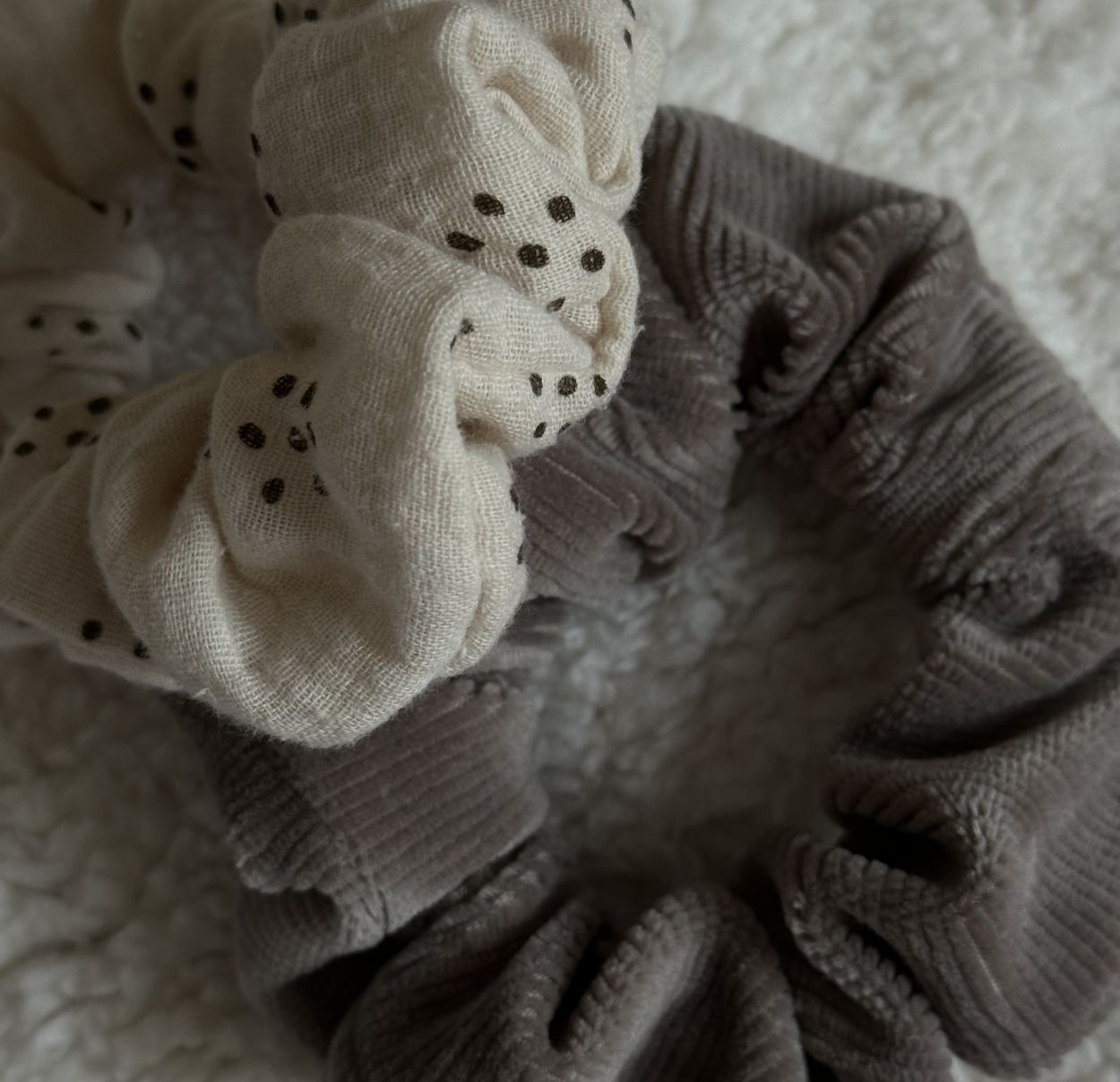
Two Simple Sewing Projects for Beginners:
Here are two lovely projects to help you learn sewing the easy way, including a short guide and materials list.
1. Learn to Sew a Pillowcase with an Envelope Closure:
Materials:
- Cotton fabric (approx. 50 x 100 cm)
- Matching thread
- Measuring tape
- Pins
- Sewing machine
1. Cut and Prepare the Fabric for the Pillow:
Cut the fabric to the desired size, adding about 2 cm of seam allowance all around.
2. Finish and Topstitch the Pillow Edges:
Fold the short sides over twice and topstitch them so the edges look clean.
3. Fold and Sew the Fabric Together:
Lay the fabric so the back overlaps, this creates the classic envelope closure. Then sew the open sides together.
4. Turn and Finish the Pillow:
Trim the corners at an angle, turn the cover right side out, and smooth it flat, your first sewing project is complete.
2. Learn to Sew a Drawstring Bag:
Materials:
- Canvas or sturdy cotton fabric
- 2 meters of cord
- Safety pin
- Thread
- Sewing machine
1. Cut the Fabric for the Bag:
Cut two equal-sized rectangles from cotton or canvas (approx. 40 x 50 cm).
2. Sew the Drawstring Channel:
Fold the top edge over twice and sew the channel that the cord will later run through.
3. Sew the Bag Together:
Place the fabric pieces right sides together and sew the sides and bottom together.
4. Thread and Secure the Cord:
Use a safety pin to thread the cord through the channel, guide it through the bottom corners, and tie it securely, and your drawstring bag is ready.