Painting with plant dyes in Stuttgart
Teamevent from €45.00 per Person
Request specific dates for this event. Also for company events and private groups. Get a non-binding quote.
About this class
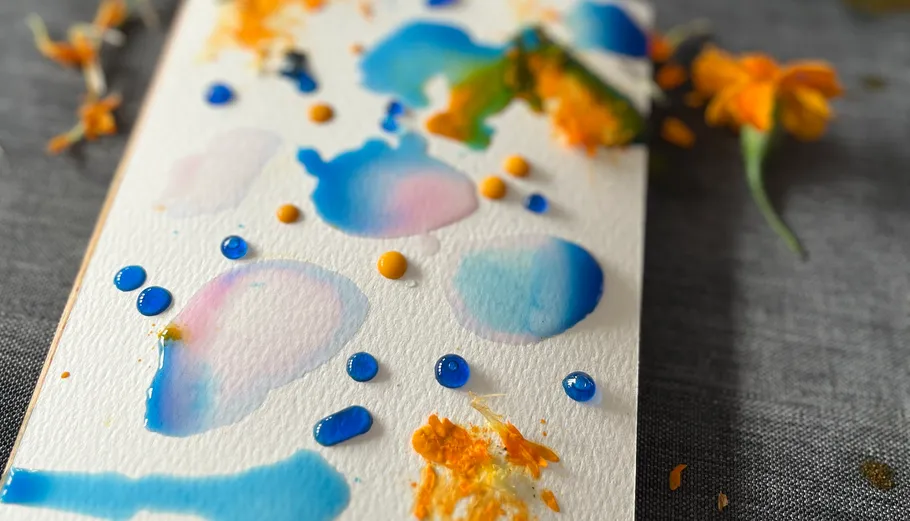
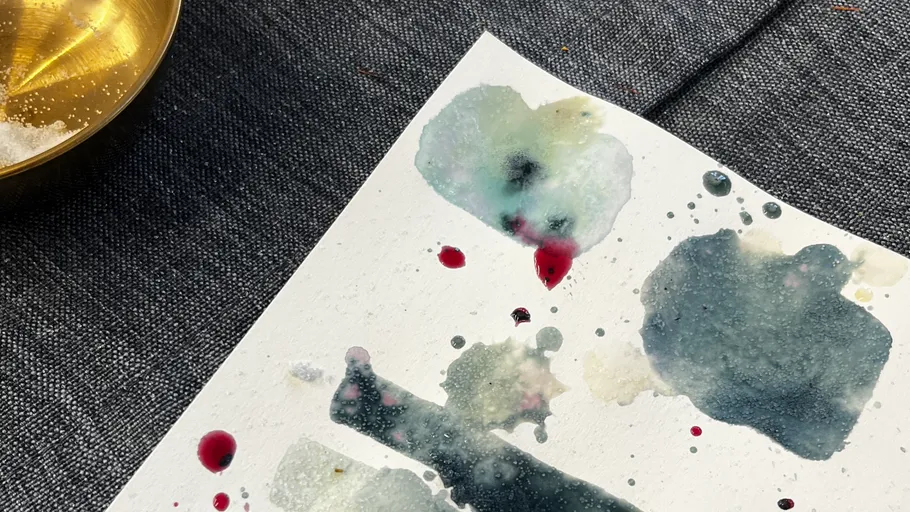
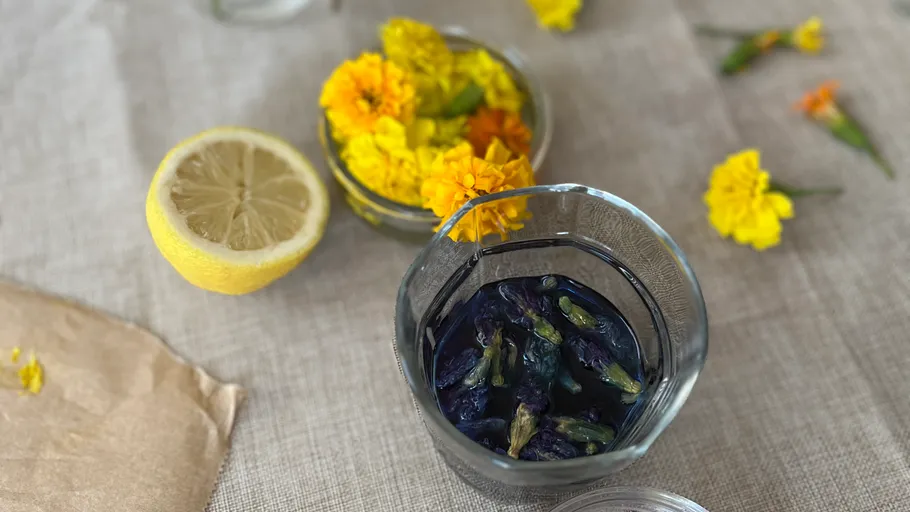
This workshop is all about color—real, vivid color from plants. With simple means, we produce our own shades and mix them into a whole spectrum of shades — from delicate to strong.
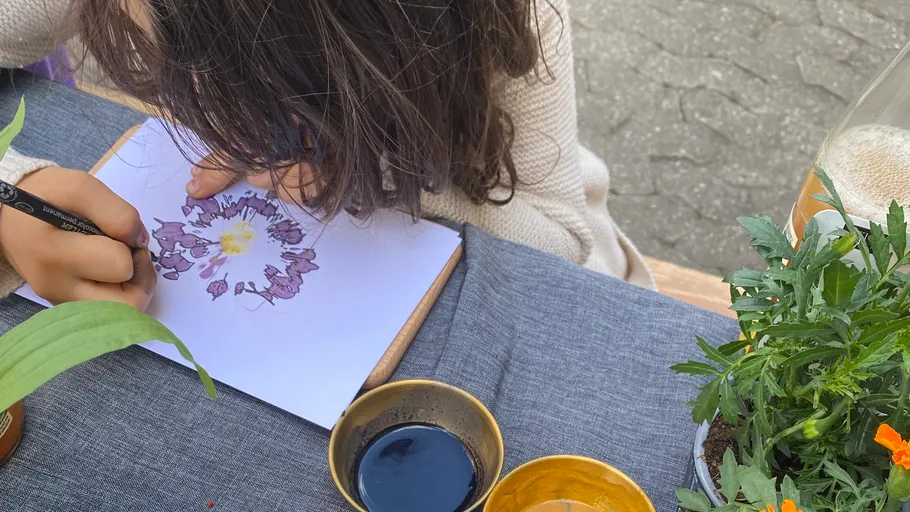
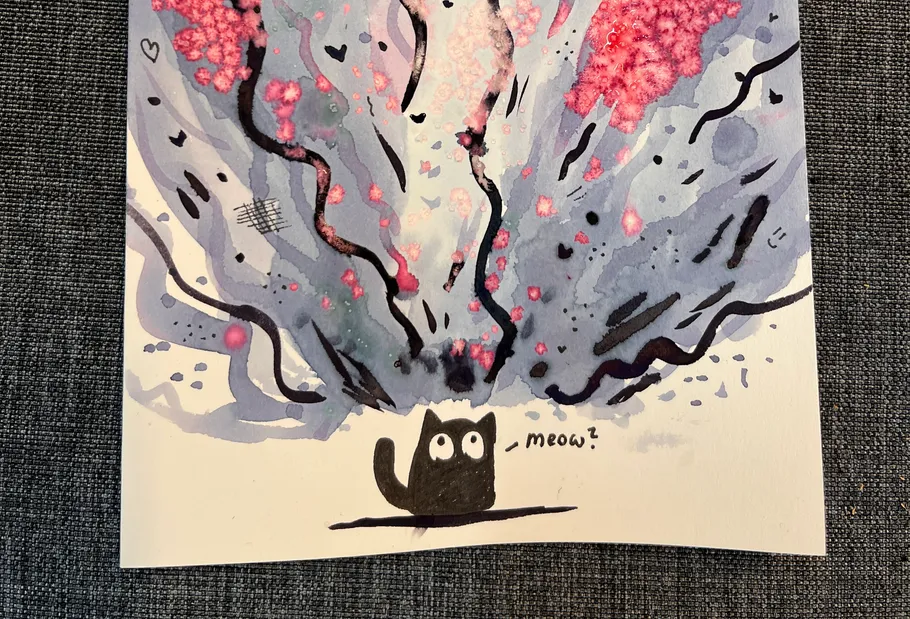
With these homemade plant dyes, you can then create postcards and small works of art on fine paper. You can try out different tools, apply layers of paint and discover techniques such as plant printing or free watercolor painting.
Nature serves as a source of ideas for us — shapes, colors, light and structure inspire very personal motifs.
What you’ll do in the class
At the beginning, there is a brief introduction to the materials and working methods. We then work together to process various plants into colors and try out which nuances arise. This is followed by the practical part: You implement your own color ideas and create individual motifs.
Who is the class suitable for?
The workshop is ideal for anyone who likes to design, try out new things and work creatively with natural materials. In the end, you'll go home with your own work and lots of suggestions for further color experiments.
Details to remember

Tenila
Bundle dye is an environmentally friendly dyeing technique that involves placing natural materials such as leaves and flowers directly onto the fabric. The bonded fabric is steamed, which transfers the vegetable colors onto the textile, and surprising patterns and shades are later created.